Hiking in Arenal Volcano National Park is one of the most popular outdoor experiences in Costa Rica. Located near La Fortuna, the park offers scenic trails, impressive volcano views, lava fields, rainforest habitats, and abundant wildlife.
Whether you’re looking for an easy nature walk or a more challenging hike through volcanic landscapes, Arenal provides some of the best hiking opportunities in the country. Moreover, the park combines stunning scenery with excellent accessibility, making it a favorite destination for families, couples, and adventure travelers alike.
If you’re planning a visit to La Fortuna, hiking in Arenal Volcano National Park should be at the top of your itinerary.
Why Visit Arenal Volcano National Park?
Arenal Volcano is one of Costa Rica’s most iconic landmarks.
Although the volcano is currently in a resting phase, its nearly perfect cone shape continues to dominate the landscape. As a result, visitors enjoy spectacular views from many parts of the park.
In addition, Arenal National Park protects rainforest, secondary forest, volcanic rock formations, and wildlife habitats that support a remarkable variety of plants and animals.
Highlights include:
- Volcano viewpoints
- Lava flow fields
- Rainforest trails
- Wildlife viewing
- Birdwatching opportunities
- Scenic photography locations
Best Hiking Trails in Arenal Volcano National Park
Las Coladas Trail
Las Coladas is one of the park’s most popular hikes.
The trail crosses lava fields created by the 1992 eruption and offers some of the best views of Arenal Volcano.
Highlights include:
- Volcanic landscapes
- Excellent viewpoints
- Interpretive signs
- Moderate hiking conditions
Because much of the trail is exposed, visitors should bring water and sun protection.
El Ceibo Trail
The El Ceibo Trail leads hikers through lush rainforest to a massive ceiba tree estimated to be hundreds of years old.
Along the way, visitors may encounter:
- Monkeys
- Coatis
- Toucans
- Butterflies
Consequently, this trail is a great option for nature lovers interested in both hiking and wildlife.
Los Tucanes Trail
This shorter trail connects several sections of the park and provides excellent birdwatching opportunities.
Furthermore, its relatively easy terrain makes it suitable for most visitors.
Wildlife Along the Trails
One of the biggest advantages of hiking in Arenal Volcano National Park is the chance to observe wildlife.
Common sightings include:
- White-nosed Coatis
- Howler Monkeys
- Spider Monkeys
- Toucans
- Motmots
- Oropendolas
- Sloths
Additionally, the park supports a variety of reptiles, amphibians, and insects.
Best Viewpoints in Arenal National Park
Several viewpoints throughout the park provide excellent photo opportunities.
On clear days, visitors can enjoy panoramic views of:
- Arenal Volcano
- Lake Arenal
- Surrounding rainforest
- Volcanic rock formations
Therefore, bringing a camera is highly recommended.
Early morning generally offers the clearest conditions before clouds begin to build around the volcano.
How Difficult Are the Hikes?
Most trails in Arenal Volcano National Park are considered easy to moderate.
Visitors should expect:
- Uneven terrain
- Volcanic rock surfaces
- Humid conditions
- Occasional elevation changes
However, the park does not feature extreme mountain hiking. As a result, most travelers with a reasonable fitness level can comfortably enjoy the trails.
Guided vs Self-Guided Hiking
Visitors can explore many trails independently. However, guided hikes offer several advantages.
Experienced guides can:
- Identify wildlife
- Explain volcanic history
- Point out hidden species.
- Enhance the overall experience.
Consequently, guided tours are especially popular among first-time visitors.
Best Time to Visit
Hiking is possible throughout the year.
The dry season, from December through April, generally provides better visibility and easier trail conditions. Meanwhile, the green season offers lush vegetation and fewer visitors.
Regardless of the season, mornings typically provide the best weather and volcano views.
What to Pack for Hiking in Arenal
Conditions can change quickly around the volcano.
Recommended items include:
- Hiking shoes
- Lightweight clothing
- Rain jacket
- Reusable water bottle
- Sunscreen
- Insect repellent
- Camera
- Small daypack
Because trails can be humid and muddy, quick-drying clothing is highly recommended.
Where to Stay Near Arenal Volcano, National Park
Most visitors stay in nearby La Fortuna.
The town offers:
- Luxury resorts
- Boutique hotels
- Eco-lodges
- Budget accommodations
- Restaurants and tour operators
Additionally, many hotels provide direct views of the Arenal Volcano.
Final Thoughts
Hiking in Arenal Volcano National Park is one of the best ways to experience Costa Rica’s volcanic landscapes and rainforest ecosystems. With accessible trails, abundant wildlife, and spectacular volcano views, the park offers an unforgettable outdoor adventure for travelers of all ages.
Whether you’re visiting La Fortuna for a few days or including Arenal as part of a larger Costa Rica itinerary, the national park deserves a place on your travel plans.
Continue Planning Your Costa Rica Hiking Adventure
- Waterfall Hikes Near La Fortuna
- Volcano Hiking Experiences in Costa Rica
- Best Cloud Forest Hikes in Costa Rica
- Rainforest Hiking Adventures
- What to Pack for Hiking in Costa Rica
Related Posts
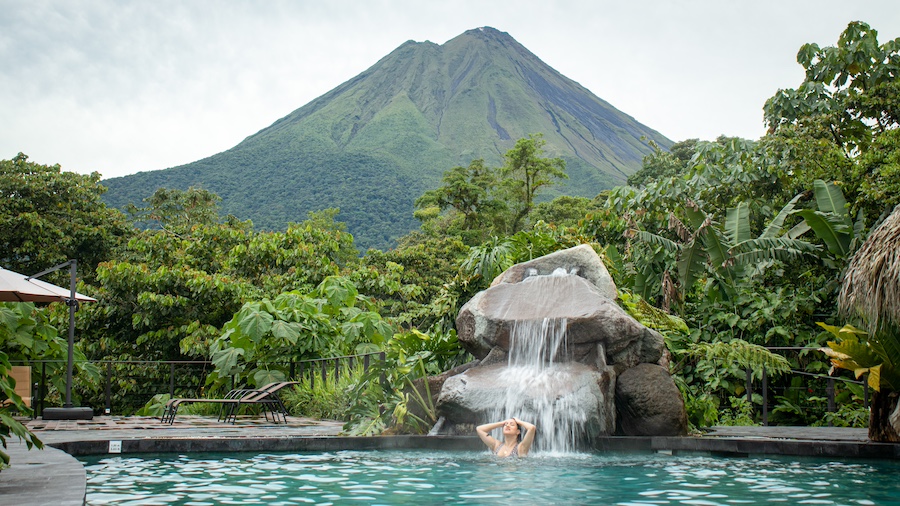
Best Hotels with Arenal Volcano Views
Choosing a hotel with a view of Arenal Volcano can make a stay in La Fortuna especially rewarding. On clear days, the volcano rises above the surrounding rainforest, creating one of Costa Rica's most recognizable landscapes. However, not every hotel offers the same view. Some properties have open terraces facing the volcano, while others provide glimpses through tropical gardens. Even within one resort, room orientation can make a difference. Weather is another important factor. Clouds frequently cover Arenal's summit, so no hotel can promise an unobstructed view throughout your stay. This guide compares the best hotels with Arenal Volcano views, explains their locations, and offers practical advice for booking the right room. Where Are the Best Arenal Volcano View Hotels Located? Arenal Volcano stands near La Fortuna in northern Costa Rica. It reaches approximately 1,670 meters (5,479 feet) above sea level. The volcano experienced a long eruptive period beginning in 1968. Its main eruptive activity ended in 2010, so visitors should not expect to see flowing lava. Today, the surrounding region includes rainforest reserves, thermal resorts, Lake Arenal, and Arenal Volcano National Park. Hotels are spread across several areas, each offering a different experience.…
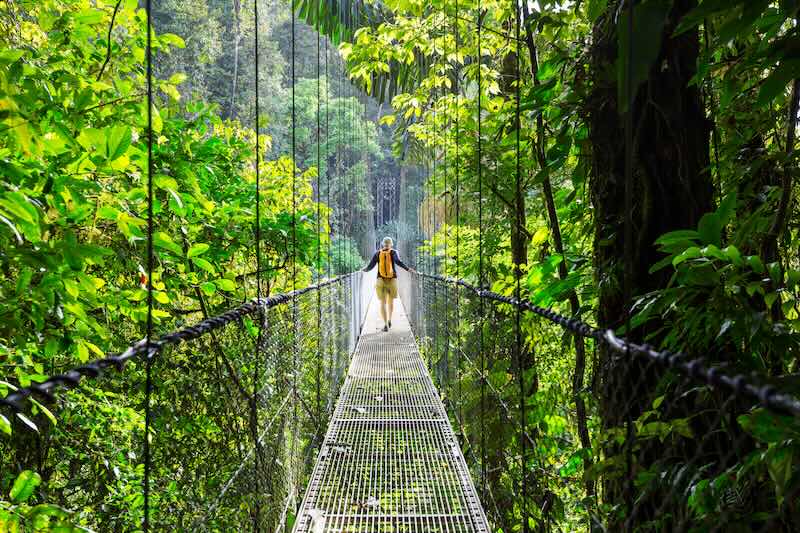
Best Time of Year for Hiking in Costa Rica
Choosing the best time of year for hiking in Costa Rica depends…
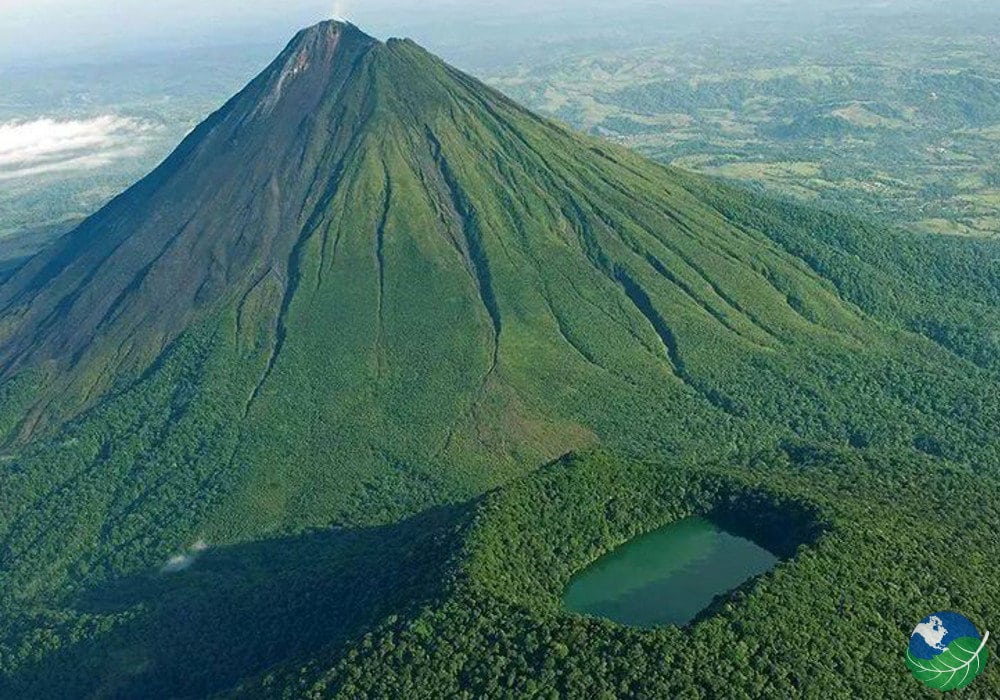
Best Viewpoints of Arenal Volcano
Arenal Volcano rises above the rainforest near La Fortuna, creating one of Costa Rica's most recognizable landscapes. Its steep volcanic cone can be seen from national park trails, lakeside roads, nature reserves, and selected hotels. However, finding the best viewpoints of Arenal Volcano involves more than choosing a location. Clouds frequently gather around the summit, sometimes hiding the entire cone while nearby areas remain sunny. Some viewpoints offer wide landscapes with Lake Arenal in the foreground. Others provide closer perspectives framed by forest, volcanic rock, or open countryside. Access also varies. Certain viewpoints are inside national parks or private attractions, while others are available only to hotel guests. This guide compares six viewing areas, explains what makes each one different, and offers practical photography advice. It also covers weather, timing, and how to plan a visit without relying on guaranteed clear skies. Understanding Arenal Volcano and Its Surrounding Landscape Arenal Volcano stands near La Fortuna in northern Costa Rica. It reaches approximately 1,670 meters (5,479 feet) above sea level. The volcano is a stratovolcano formed through repeated eruptions of lava and other volcanic material. Arenal began a prolonged eruptive period in July 1968. Activity continued for decades before declining in 2010. Today, the volcano remains geologically active but is not producing the frequent visible lava flows associated with its earlier eruptive period.…