The digital nomad guide to Santa Ana, Costa Rica starts with one important reality: Santa Ana is not a destination built around tourism. That is exactly why it works so well for remote workers.
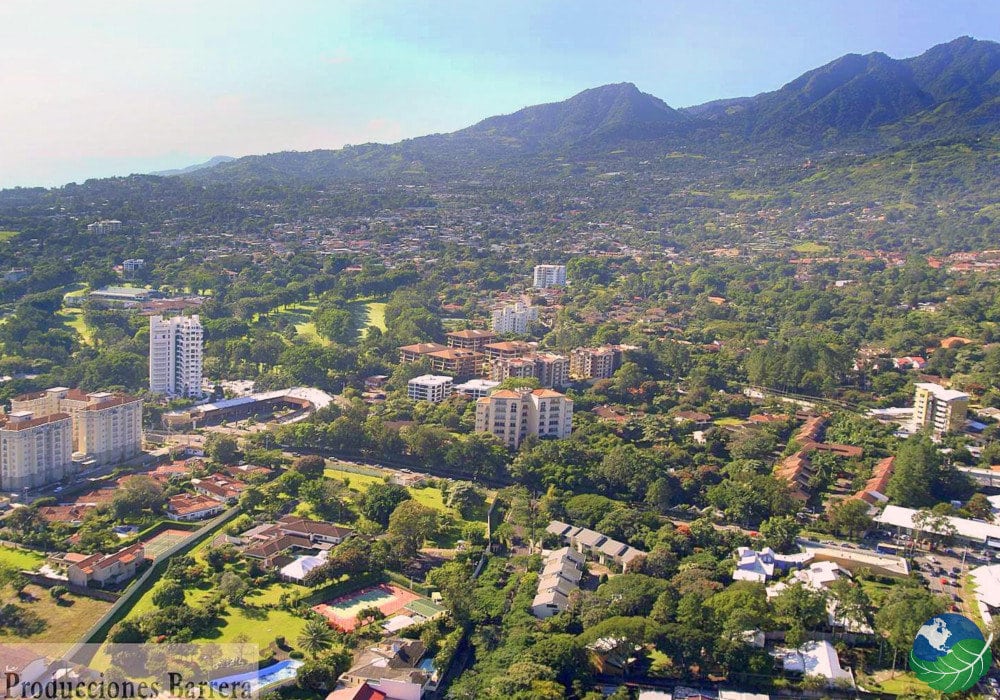
Located west of San José in Costa Rica’s Central Valley, Santa Ana combines residential neighborhoods, reliable internet, modern apartments, supermarkets, gyms, access to private healthcare, and relatively easy access to Juan Santamaría International Airport (SJO).
Compared with nearby Escazú, Santa Ana generally feels quieter and more residential. Compared with Costa Rica’s beach towns, it offers far more predictable infrastructure.
For digital nomads staying one month or longer, that balance can be more useful than nightlife, beach access, or constant tourism activity.
Why Santa Ana Works for Digital Nomads
Remote work depends on routine.
You need reliable internet, a comfortable workspace, access to groceries, transportation, healthcare, and enough restaurants or cafés to keep daily life interesting.
Santa Ana delivers those basics better than many more scenic parts of Costa Rica.
The area also connects easily with nearby Escazú, where you will find additional restaurants, shopping, and medical services.
At the same time, Route 27 provides relatively direct access toward the Central Pacific, making weekend trips to Jacó and other beach destinations practical.
That gives remote workers an appealing structure:
Work during the week.
Use the Central Valley for daily life.
Then explore the rest of Costa Rica on weekends.
Understanding the Different Areas of Santa Ana
Santa Ana is not one compact neighborhood.
Different districts offer different lifestyles, so choosing the right location matters.
Santa Ana Centro
The central area provides more access to everyday Costa Rican life.
You will find local restaurants, shops, pharmacies, services, and Parque de Santa Ana nearby.
This area works well for people who want a stronger neighborhood atmosphere and do not mind a slightly busier setting.
Pozos
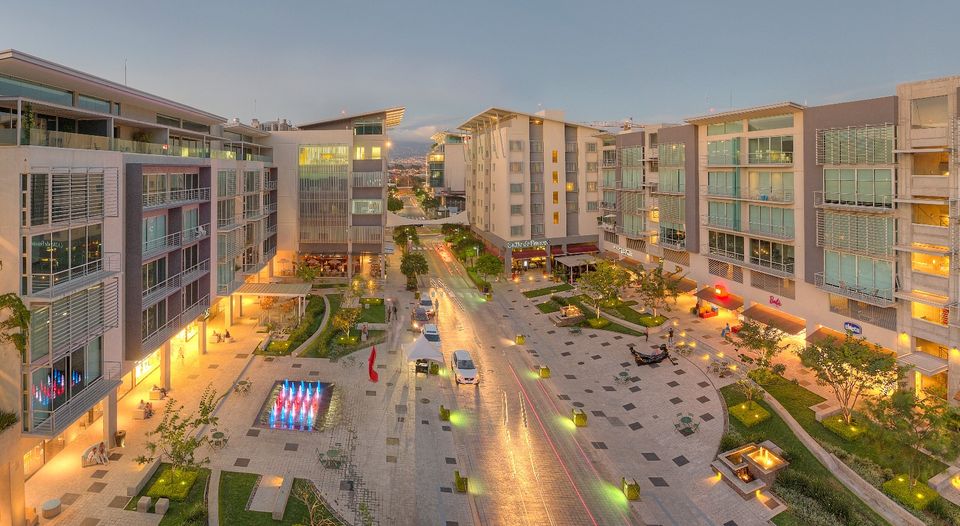
Pozos is one of the more developed areas and has become popular for condominiums, modern residential projects, offices, and commercial services.
For digital nomads, it can be one of the easiest places to settle because housing and daily amenities are relatively concentrated.
Brasil de Mora
Brasil de Mora generally feels more residential and quieter.
Apartments, condominiums, and gated communities are common, and some properties provide attractive views toward the surrounding hills.
This area suits remote workers who spend most of the workday at home and value quieter evenings.
Río Oro
Río Oro offers another mix of residential communities and access to major roads.
The exact property matters more than the neighborhood name because walkability, traffic, noise, and internet service can differ considerably over short distances.
Internet Reliability
Internet should be one of the first things you verify before booking any long-term accommodation.
Fiber service is available in many newer residential developments, but availability can vary by building and provider.
Do not rely solely on an Airbnb description that says “high-speed Wi-Fi.”
Before committing to a month or more, ask the host or landlord for a recent speed test.
Check both:
- Download speed
- Upload speed
Upload performance is particularly important if your work involves video calls, cloud backups, large files, or content production.
Also ask whether the internet connection is dedicated to your apartment or shared across multiple units.
Have a Backup Connection
Even in well-developed parts of Costa Rica, occasional internet or power interruptions can happen.
For remote workers, a local mobile data plan provides useful backup.
A phone hotspot can keep you online long enough to finish a meeting or send an urgent file.
If your work is highly time-sensitive, you may also want to ask whether the building has backup power for common areas and internet equipment.
Remote work becomes much easier when you prepare for small disruptions instead of assuming they will never happen.
Where to Stay Long-Term
Santa Ana has a strong supply of apartment-style accommodation.
That makes it particularly useful for stays of one to six months.
Modern Condominiums
Many digital nomads choose condominium developments because they combine work-friendly housing with useful amenities.
Depending on the property, you may find:
- Swimming pools
- Gyms
- Secure parking
- Controlled access
- Shared work areas
- Outdoor social spaces
For someone working from home most days, these amenities can reduce the need for a separate gym or coworking membership.
Furnished Apartments
Furnished apartments offer more flexibility than hotels and typically include kitchens, laundry facilities, and dedicated living space.
They are often the most practical choice for one- to three-month stays.
Before booking, check the desk setup carefully.
A dining table is not necessarily a comfortable workstation for eight hours a day.
Townhouses and Private Homes
Longer-stay remote workers or families may prefer townhouses or homes.
These provide more space and privacy but can require more maintenance and greater dependence on a vehicle.
If you are considering a property farther from central Santa Ana, check travel times to supermarkets, gyms, cafés, and major roads.
What to Look for in a Remote-Work Rental
The ideal digital nomad property needs more than just attractive photos.
Prioritize:
Reliable fiber internet: Ask for actual speed results.
A proper desk and chair: Especially important for stays longer than a few weeks.
Natural light: Useful if you spend much of the day indoors.
Quiet during working hours: Ask about nearby construction, roads, schools, or dogs.
Airflow: Santa Ana is warmer than some higher Central Valley communities.
Backup workspace: A café, coworking space, or hotel lobby nearby can save a workday during an outage.
Secure package delivery: Helpful if you order equipment or supplies online.
Coworking and Working Outside Your Apartment
Santa Ana has business and commercial areas where coworking options may be available, while nearby Escazú offers a considerably wider selection.
However, many digital nomads living here do not need a coworking membership.
If your apartment has strong internet, a proper workstation, and good common areas, working from home can be easier than commuting daily.
Coworking becomes more valuable if you:
- Need meeting rooms
- Want professional networking
- Prefer social interaction
- Work across multiple time zones.
- Struggle with productivity at home.
For occasional changes of scenery, cafés can also work.
Still, avoid relying on coffee shops as your primary office if your work requires long calls or confidential conversations.
Time Zones and Working with North America
Costa Rica’s location makes Santa Ana particularly convenient for people working with North American companies.
The time difference with major U.S. and Canadian cities is generally manageable, which means you can maintain standard business hours without working through the middle of the night.
That is one reason Costa Rica continues to attract remote professionals from North America.
European schedules require more adjustment.
If your employer or clients are primarily in Europe, your workday may begin early.
For some nomads, that is actually useful because afternoons remain free for exercise, cafés, or short trips.
Climate for Remote Work
Santa Ana has a warm Central Valley climate without the extreme humidity associated with many coastal destinations.
The dry season generally runs from December through April.
Days are sunnier and warmer, while evenings remain relatively comfortable.
From May through November, afternoon rain becomes more common, and the surrounding hills become greener.
For remote workers, rainy-season afternoons are not necessarily a disadvantage.
If you are already working indoors, rain can become part of the rhythm rather than an interruption.
Morning exercise and errands can be scheduled before clouds build later in the day.
Do You Need Air Conditioning?
Not always.
Many homes rely on fans, natural ventilation, and open windows.
However, Santa Ana is warmer than higher Central Valley communities, and some apartments can heat up during sunny afternoons.
This becomes particularly important if you work from home all day.
Before booking, ask:
- Does the office or bedroom receive afternoon sun?
- Are ceiling fans available?
- Is air conditioning installed?
- How much does electricity typically cost when AC is used?
A property that feels comfortable at 7 p.m. may feel completely different at 2 p.m. during a workday.
Cost of Living
Santa Ana is not a budget destination.
Housing is generally more expensive than in smaller Central Valley towns, although it may provide better value than some premium areas of Escazú.
Your largest expenses will usually be:
- Rent
- Groceries
- Transportation
- Restaurants
- Private healthcare
- Fitness or coworking memberships
Imported products can quickly raise grocery costs.
Buying local produce and Costa Rican brands, and eating at neighborhood restaurants help control spending.
For digital nomads earning North American or European salaries, Santa Ana can still provide a comfortable lifestyle, but it should not be approached as an ultra-low-cost base.
Groceries and Everyday Shopping
Daily shopping is easy.
Supermarkets and smaller stores are available throughout the western metropolitan area.
Pharmacies, banks, gyms, and other essential services are also relatively easy to reach.
This is one of Santa Ana’s biggest advantages over remote beach communities.
You do not need to plan every grocery trip or drive an hour for basic supplies.
For someone staying several months, that convenience becomes more important than it initially sounds.
Restaurants and Cafés
Santa Ana has a growing restaurant scene, though dining options are more spread out than in Escazú.
You will find Costa Rican restaurants, international cuisine, cafés, bakeries, casual dining, and a few more upscale options.
For an even greater selection, nearby Escazú is an easy option.
See Best Restaurants in Escazú, Costa Rica if you want more variety after work.
The combination works well for long stays.
Santa Ana gives you a residential home base.
Escazú provides additional dining and entertainment when you want it.
Fitness and Wellness
Santa Ana suits remote workers who want to incorporate regular exercise into their daily lives.
Gyms, yoga studios, personal trainers, pools, and fitness facilities are available throughout the area.
Many condominium developments include their own gyms.
That convenience matters if your work involves sitting at a desk for most of the day.
The surrounding hills also provide a visually pleasant setting, although walking outside is not always as easy as it looks because sidewalks can be inconsistent.
Transportation
You do not necessarily need a rental car.
Rideshare services and taxis are commonly used throughout the metropolitan region.
For shorter stays, this may be cheaper and easier than maintaining a vehicle.
A car becomes more useful if you:
- Live farther from commercial areas.
- Travel frequently on weekends.
- Have children
- Want to explore rural areas.
- Prefer complete flexibility
Traffic is the main disadvantage.
Weekday rush hour can make short drives considerably longer than expected.
Therefore, choose housing based partly on where you expect to spend your time.
Route 27 and Weekend Travel
One of Santa Ana’s biggest lifestyle advantages is access to Route 27.
The highway provides a relatively convenient route toward Costa Rica’s Central Pacific coast.
That makes destinations such as Jacó realistic for weekends away.
Instead of relocating to a beach town and sacrificing access to infrastructure, remote workers can live in Santa Ana and visit the coast whenever they want.
This arrangement works particularly well for people who value reliable weekday productivity but still want regular access to Costa Rica’s outdoor destinations.
Airport Access
Juan Santamaría International Airport is relatively accessible from Santa Ana, though traffic conditions affect the actual travel time.
This is a major advantage for digital nomads who travel frequently.
Short trips back to the United States or Canada are much easier when you do not need an additional domestic flight or several-hour drive before reaching SJO.
For official airport information, use Juan Santamaría International Airport.
Healthcare Access
Santa Ana provides easy access to pharmacies and local medical services, while neighboring Escazú has a stronger concentration of private hospitals and specialists.
For longer-stay visitors, this proximity can be reassuring.
It is particularly relevant for:
- Families
- Retirees
- Travelers managing ongoing medical needs.
- Remote workers staying six months or longer.
For routine medical appointments, the western San José area is one of Costa Rica’s most convenient bases.
Safety and Everyday Awareness
Santa Ana contains many established residential communities and controlled-access condominium developments.
However, the same practical precautions used elsewhere in the metropolitan region still apply.
Do not leave laptops, phones, or luggage visible inside parked vehicles.
Use secure parking whenever possible.
At night, take a taxi or rideshare vehicle rather than walking long distances along poorly lit roads.
Additionally, pedestrian safety deserves attention.
Some roads are designed primarily for vehicles, and sidewalks may disappear unexpectedly.
Social Life for Digital Nomads
Santa Ana is quieter than many traditional digital-nomad destinations.
You will not find the same concentrated social scene as in beach towns, hostel districts, or large coworking hubs.
That can be either an advantage or a drawback.
If you want stability, privacy, and routine, Santa Ana works extremely well.
If you expect to meet dozens of new travelers every week simply by walking into cafés, you may find it too residential.
Social connections are more likely to develop through gyms, coworking spaces, language exchanges, professional groups, and longer-term communities.
Learning Spanish
It is possible to live in Santa Ana using a significant amount of English, particularly around international businesses and expat communities.
However, learning Spanish will considerably improve your experience.
It makes communication easier with landlords, drivers, service providers, local restaurants, tradespeople, and neighbors.
More importantly, it prevents your Costa Rica experience from remaining entirely inside an international bubble.
Even basic conversational Spanish can make long-term living feel much more connected.
Santa Ana vs Escazú for Digital Nomads
The comparison is straightforward.
Choose Santa Ana if you want:
- A quieter residential environment
- Apartment living
- More space
- Convenient access to Route 27
- Long-term routine
- Less commercial intensity
Choose Escazú if you want:
- More restaurants
- Luxury hotels
- Shopping
- Easier access to private healthcare
- More concentrated business services
- Greater urban convenience
For many remote workers, Santa Ana is the better place to live while Escazú becomes the place they visit for restaurants, shopping, or appointments.
Santa Ana vs a Costa Rica Beach Town
This is where priorities matter most.
A beach town offers ocean access, tropical scenery, surf, and a more vacation-like atmosphere.
Santa Ana gives you infrastructure.
Internet tends to be more predictable.
Healthcare is closer.
Groceries are easier.
Airport access is simpler.
Housing is designed more around daily residential life.
If you only plan to stay in Costa Rica for two weeks, the beach may be more exciting.
If you are working full time for three months, Santa Ana can be substantially easier.
Who Santa Ana Works Best For
The digital nomad guide to Santa Ana, Costa Rica is most relevant to remote workers who prioritize productivity and quality of daily life over constant tourism.
Santa Ana works particularly well for:
- Remote professionals staying for 1 to 6 months.
- Couples working online
- Families with remote-working parents
- Entrepreneurs
- Consultants who travel frequently
- Long-stay visitors testing life in Costa Rica
It may be less appealing for:
- Backpackers
- Travelers on very tight budgets
- Surfers wanting daily ocean access
- Nomads seeking intense nightlife
- People who want a highly walkable city
Try Santa Ana Before Signing a Long Lease
Book a furnished apartment for several weeks before committing to a longer lease.
Use that period to test normal life.
Work a full week from the apartment.
Buy groceries.
Use the internet during peak hours.
Travel to Escazú.
Go to the airport.
Try the commute during rush hour.
Walk around the neighborhood after dark.
Then decide whether the location works.
Long-term travel decisions become much easier once you stop evaluating a neighborhood like a tourist.
Final Thoughts
The digital nomad guide to Santa Ana, Costa Rica ultimately comes down to one idea: Santa Ana works because everyday life is relatively easy.
It is not a beach destination.
It is not a backpacker hub.
It does not offer a major nightlife district or a constant stream of organized activities.
Instead, you get reliable infrastructure, modern housing, access to healthcare, good internet, supermarkets, fitness options, airport convenience, and a location that makes weekend exploration possible.
For remote professionals who need to work seriously while still living in Costa Rica, that combination can be far more valuable than waking up beside the ocean.
Santa Ana allows you to build a routine first.
Then, when the laptop closes, the rest of Costa Rica is waiting.
Related Posts

Best Luxury Hotels in Escazú, Costa Rica
The best luxury hotels in Escazú, Costa Rica combine upscale accommodations with…
Retiring in Escazú or Santa Ana: Pros and Cons
Retiring in Escazú or Santa Ana appeals to people who want…
Living in Escazú as an Expat: What to Expect
Living in Escazú as an expat offers one of the easiest…