Reaching Drake Bay is part of what makes the destination so special. Located on Costa Rica’s remote Osa Peninsula, this small coastal village sits far from the country’s busiest tourist routes. Instead of highways leading directly to town, the final stretch often involves a scenic boat ride, a rugged drive, or a short domestic flight over rainforest-covered mountains.
Although getting here requires more planning than visiting places like Manuel Antonio or La Fortuna, the reward is one of Costa Rica’s most extraordinary destinations. Drake Bay serves as one of the main gateways to Corcovado National Park, Caño Island Biological Reserve, and some of the country’s richest wildlife habitats.
Fortunately, travelers have several transportation options. Whether you prioritize speed, flexibility, affordability, or adventure, there’s a route that fits your travel style.
Where Is Drake Bay?
Drake Bay is located on the northwestern side of the Osa Peninsula in Costa Rica’s Southern Pacific region. The village overlooks the Pacific Ocean and sits between dense tropical rainforest and protected marine ecosystems.
Unlike many beach towns, Drake Bay remains intentionally undeveloped. Large resorts, shopping centers, and busy highways are absent. Instead, visitors arrive for nature, wildlife, and easy access to Corcovado National Park.
Nearby attractions include:
- Corcovado National Park
- Caño Island Biological Reserve
- Sierpe
- Golfo Dulce
- Puerto Jiménez
Its remote location is exactly what has helped preserve the area’s incredible biodiversity.
Why Getting to Drake Bay Is Different
Traveling to Drake Bay requires a little more planning than other destinations in Costa Rica. However, it is far from difficult once you understand the available transportation options.
Unlike destinations connected entirely by paved roads, Drake Bay can be reached in several different ways. Some visitors fly directly from San José, while others drive to Sierpe before boarding a boat through the mangroves. Adventurous travelers often complete the journey with a rental vehicle, especially during the dry season.
Rather than viewing transportation as an inconvenience, many visitors consider it one of the highlights of the trip. Watching the landscape gradually change from cities to mountains, rivers, mangroves, and untouched rainforest creates a memorable introduction to the Osa Peninsula.
Best Ways to Get to Drake Bay
There is no single best way to reach Drake Bay. The ideal option depends on your budget, schedule, and travel preferences.
Domestic Flight
Flying is the fastest and most convenient option.
Several daily domestic flights connect San José with Drake Bay Airport (DRK). The flight takes approximately 50 minutes and offers spectacular aerial views of Costa Rica’s mountains, coastline, and rainforest.
This option is ideal for travelers with limited vacation time, families with young children, and anyone who prefers to avoid long road transfers.
Although flights cost more than buses or shared shuttles, many visitors find the time savings worthwhile.
Rental Car
Driving offers flexibility for travelers exploring multiple destinations before reaching Drake Bay.
The drive follows well-maintained highways for most of the journey. However, the final section becomes rougher, and road conditions vary depending on the season. During the rainy months, river crossings and muddy sections can become challenging.
For this reason, a 4×4 vehicle is strongly recommended year-round.
Driving also allows you to stop in places such as Jacó, Manuel Antonio, Dominical, Uvita, or Sierpe along the way.
Boat from Sierpe
For many visitors, arriving by boat is the most memorable way to reach Drake Bay.
After traveling to the riverside town of Sierpe, passengers board covered boats that navigate through one of Costa Rica’s largest mangrove ecosystems before reaching the Pacific Ocean.
The journey typically lasts about one hour.
Along the way, it’s common to spot crocodiles, herons, kingfishers, scarlet macaws, and occasionally dolphins near the river mouth. The scenery alone makes this transfer feel like part of the adventure rather than simple transportation.
Many lodges in Drake Bay coordinate boat arrivals and departures for their guests.
Shared Shuttle
Shared tourist shuttles provide an excellent balance between comfort and affordability.
Most services offer hotel pickup from destinations such as:
- San José
- Manuel Antonio
- Dominical
- Uvita
Afterward, passengers either continue directly to Drake Bay or transfer to the boat in Sierpe, depending on the operator.
This option eliminates the stress of navigating unfamiliar roads while remaining less expensive than domestic flights.
Public Bus
Public transportation is the least expensive option, but it also requires the most patience.
Most travelers first take a bus to Palmar Norte before continuing to Sierpe by local bus or taxi. From there, they board the public boat to Drake Bay.
While this route works well for backpackers and budget-conscious travelers, it usually takes most of the day and involves several transfers.
If your schedule is tight, another transportation option will likely provide a much smoother experience.
How to Get to Drake Bay from San José
Juan Santamaría International Airport (SJO) serves as the primary international gateway for visitors traveling to Drake Bay.
Several transportation options are available.
Flying from San José
The quickest option is to take a domestic flight from San José to Drake Bay Airport.
Including airport transfers and check-in, the total journey usually takes between two and three hours.
For visitors staying only a few days on the Osa Peninsula, this is often the most efficient choice.
Driving from San José
Driving allows you to experience Costa Rica’s Pacific coastline before reaching the Osa Peninsula.
Most routes follow Highway 27 toward the Pacific before continuing south along Route 34, better known as the Costanera Highway. Near Palmar Norte, drivers head toward Sierpe or continue to Drake Bay depending on road conditions.
Without extended stops, the drive generally takes between seven and eight hours.
Many travelers choose to spend a night in Dominical or Uvita before continuing the following morning.
Taking a Shuttle
Shared and private shuttles depart daily from San José.
Travel times average seven to eight hours, although exact durations depend on traffic and passenger pickups.
For many international visitors, this is one of the easiest transportation options because it removes the need to drive while still providing comfortable door-to-door service.
Traveling by Bus
Public buses offer the lowest transportation cost.
However, the route requires several transfers and considerably more travel time. Depending on connections, the journey can easily take an entire day.
This option works best for travelers with flexible itineraries rather than those on short vacations.
How to Get to Drake Bay from Liberia Airport
Daniel Oduber Quirós International Airport (LIR) primarily serves visitors heading to Guanacaste. Although it is possible to reach Drake Bay from Liberia, the journey is significantly longer than traveling from San José.
Driving usually takes eight to nine hours.
Some travelers choose to fly from Liberia to San José before connecting to a domestic flight to Drake Bay. Others book private transportation or combine several destinations during a longer Costa Rica road trip.
If Drake Bay is your primary destination, flying into San José generally provides the simplest itinerary.
Flying to Drake Bay
Drake Bay Airport is a small regional airport located just outside the village.
After landing, many hotels arrange complimentary or paid transportation for arriving guests. Depending on where you’re staying, transfers may include a short drive or even a boat ride.
Because aircraft are small, luggage allowances are more restrictive than on international airlines. Packing light makes the journey much easier.
Flights are especially popular during the rainy season, when road conditions can become unpredictable.
Driving to Drake Bay
Driving gives travelers complete freedom to explore southern Costa Rica at their own pace. However, it’s important to understand seasonal road conditions before choosing this option.
During the dry season, roads are generally much easier to navigate. While some sections remain rough, experienced drivers in a 4×4 usually have few problems reaching Drake Bay.
Conditions change considerably during the rainy season. Heavy rainfall can create muddy roads, deeper river crossings, and occasional delays. Checking current local conditions before departing is always recommended.
If you’re uncomfortable driving in remote areas, consider ending your drive in Sierpe and completing the final portion by boat.
Taking the Boat from Sierpe
Many experienced Costa Rica travelers recommend the Sierpe boat transfer even if they have rented a vehicle.
Boats depart from the riverside docks and travel through the Sierpe mangroves before entering the Pacific Ocean and continuing north to Drake Bay.
The scenery is exceptional throughout the journey. Mangrove forests gradually give way to open coastline, while wildlife sightings are common year-round.
Keep in mind that passengers may need to step into shallow water when boarding or disembarking, so waterproof sandals are useful.
Which Transportation Option Is Best?
The best transportation method depends largely on your travel priorities.
If saving time is your main concern, flying is the clear winner.
If you enjoy scenic road trips and want to explore more of Costa Rica, renting a 4×4 provides the greatest flexibility.
Travelers looking for a balance between comfort and cost often prefer shared shuttles.
Meanwhile, adventurous visitors frequently combine driving with the boat transfer from Sierpe, creating one of the country’s most memorable travel experiences.
Travel Times at a Glance
| San José | About 50 min flight | 7–8 hrs | 7–8 hrs | Full day |
| Liberia | Connection required | 8–9 hrs | 9+ hrs | Full day |
Travel times may increase during holidays, weekends, and periods of heavy rainfall.
Best Time to Travel to Drake Bay
Transportation is available year-round, but seasonal conditions can influence your experience.
From December through April, the dry season typically offers the easiest driving conditions. Roads are drier, river crossings are lower, and travel tends to be more predictable.
Between May and November, afternoon rain showers become more frequent. Although flights, boats, and shuttles continue operating, travelers driving themselves should allow extra time and monitor weather forecasts before departing.
Regardless of the season, booking flights, shuttles, and boat transfers in advance is highly recommended, particularly during Christmas, Easter, and the peak wildlife season.
Travel Tips Before You Go
Planning makes traveling to Drake Bay much easier.
Reserve transportation before arriving in Costa Rica, especially if you’re traveling during the high season. Many accommodations can also help coordinate transfers.
Pack light if you’re flying, as domestic airlines have stricter baggage limits than international carriers.
If you plan to drive, choose a 4×4 and avoid driving unfamiliar roads after dark whenever possible.
Finally, remember that reaching Drake Bay is part of the adventure. The journey through rainforest, rivers, mangroves, and coastline offers an unforgettable introduction to one of Costa Rica’s last truly wild destinations.
Frequently Asked Questions
What is the fastest way to get to Drake Bay?
A domestic flight from San José is the fastest option, taking about 50 minutes.
Can you drive to Drake Bay?
Yes. However, a 4×4 vehicle is strongly recommended because road conditions can become challenging, particularly during the rainy season.
Is the boat from Sierpe worth it?
Absolutely. Many visitors consider the mangrove boat ride one of the highlights of their entire Costa Rica vacation.
Which airport is closest to Drake Bay?
Drake Bay has its own regional airport (DRK), with regular flights from San José. For international arrivals, Juan Santamaría International Airport (SJO) is usually the most convenient gateway.
Should I fly or drive?
Flying is best for shorter vacations and travelers who want to maximize their time exploring Drake Bay. Driving is ideal if you’re planning a broader road trip through Costa Rica’s Southern Pacific region.
Final Thoughts
Getting to Drake Bay requires more planning than reaching many of Costa Rica’s better-known destinations, but that sense of remoteness is precisely what makes it so rewarding. Whether you arrive by plane, boat, shuttle, or 4×4, every route offers a different perspective on the country’s spectacular landscapes.
Once you arrive, you’ll discover why so many travelers consider Drake Bay one of Costa Rica’s most unforgettable destinations. With direct access to Corcovado National Park, world-class snorkeling around Caño Island, remarkable wildlife, and a slower pace of life, the journey quickly becomes part of the story you’ll remember long after your trip ends.
Related Posts
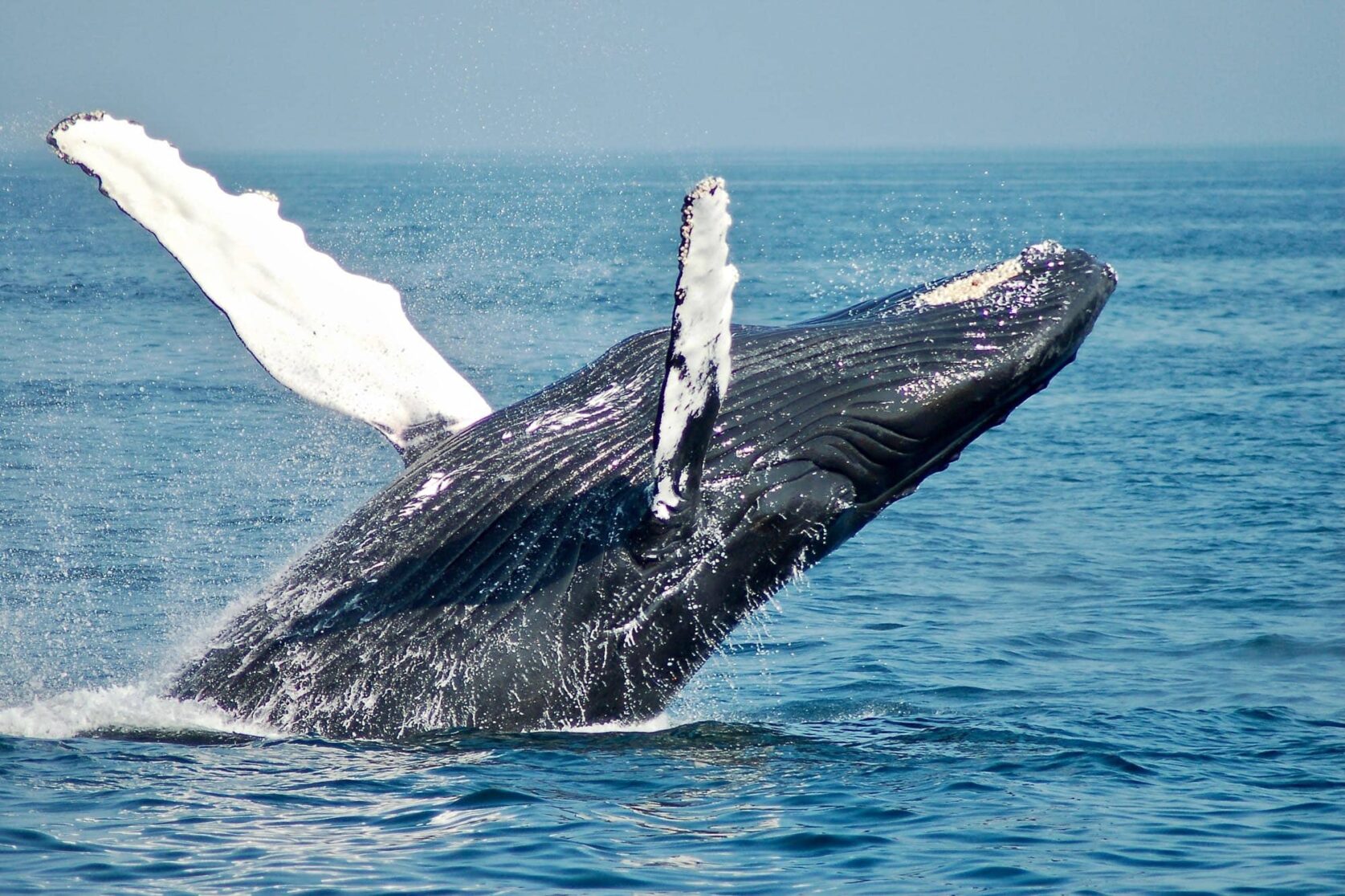
Whale Watching in Drake Bay: An Unforgettable Marine Wildlife Experience on Costa Rica’s Osa Peninsula
Drake Bay is best known as the gateway to Corcovado…