Do You Need a Guide for Manuel Antonio National Park?

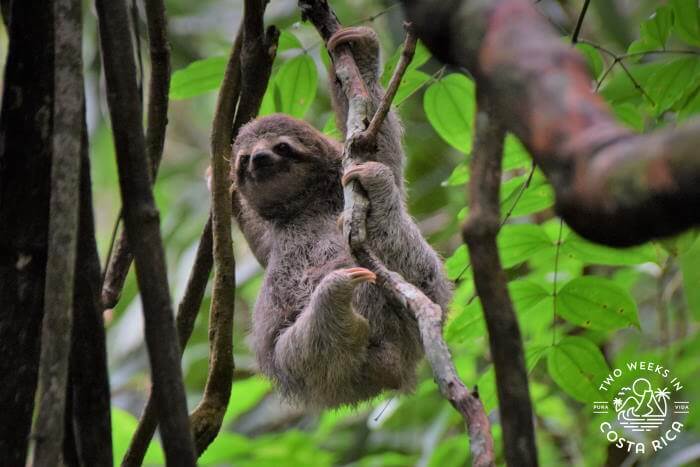
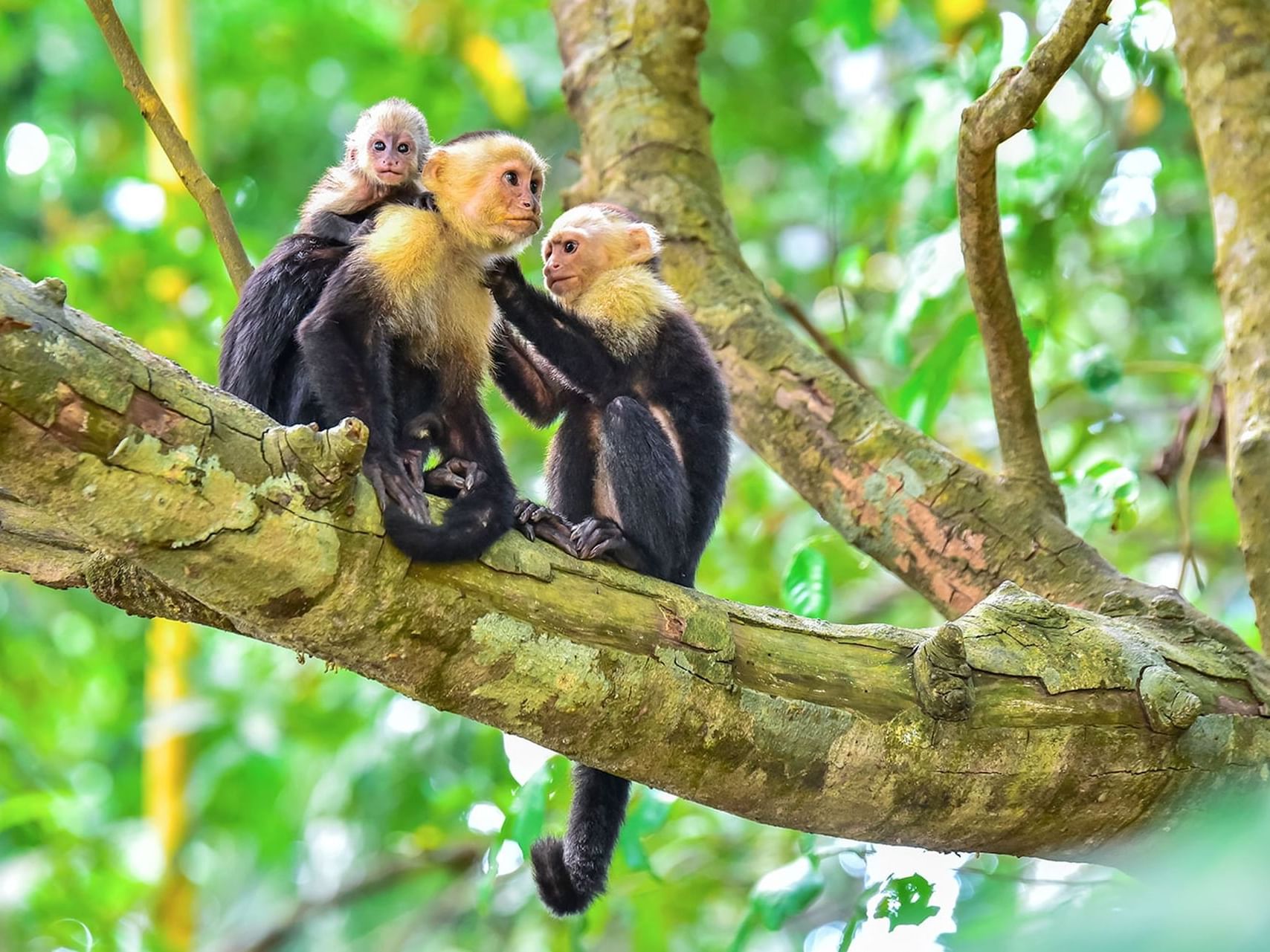
Do you need a guide for Manuel Antonio National Park? No. Visitors can explore the park independently without booking a guided tour. However, hiring a knowledgeable naturalist guide can be worthwhile if wildlife observation is your main priority. Manuel Antonio National Park combines tropical forest, coastal trails, and beaches near Quepos on Costa Rica's Central Pacific coast. You can walk its designated paths, look for animals, and enjoy the scenery at your own pace. Alternatively, a guide can help identify wildlife that might otherwise go unnoticed. The best choice depends on your budget, interests, and experience observing tropical animals. This guide compares both options, explains the costs to consider, and offers practical advice for planning your visit. Understanding Manuel Antonio National Park The park protects coastal rainforest and beaches just outside the main Manuel Antonio tourism area. Although it covers a relatively small area compared with some Costa Rican national parks, its varied habitats support numerous wildlife species. Visitors can explore designated trails and reach beaches within the protected area. However, the experience depends on which routes you choose and how much time you have. Wildlife You Might See White-faced capuchin monkeys, howler monkeys, and Central American squirrel monkeys inhabit the park. Visitors may also encounter sloths, iguanas, basilisk lizards, and tropical birds. However, wildlife sightings are unpredictable. Some animals remain high in the canopy, while others blend into vegetation. Even experienced observers cannot guarantee a particular sighting. Trails and Accessibility Manuel Antonio has established visitor trails, including the Sendero Perezoso area and the Punta Catedral route. However, the trails are not uniformly flat. Some sections involve steps, slopes, or uneven surfaces. Visitors with mobility limitations should check current accessible routes before arrival. You do not need technical hiking experience for many of the main visitor paths, but suitable footwear is helpful. National Park Opening Hours and Tickets The park generally operates Wednesday through Monday and closes on Tuesdays. Its published regular hours are 7:00 a.m. to 3:00 p.m. Visitors should purchase admission through the official SINAC online ticketing system. Because operating rules can change, confirm the schedule and visitor restrictions before your trip. Park admission and guided tour fees are separate unless your booking explicitly includes both. Can You Visit Manuel Antonio National Park Without a Guide? Yes. A self-guided visit is a practical option for travelers who prefer exploring independently. What a Self-Guided Visit Looks Like After entering the park, visitors can follow designated paths, stop at viewpoints, and explore permitted beaches. You can spend additional time observing wildlife or taking photographs without following a group's schedule. However, visitors must remain on authorized trails and respect park regulations. Wildlife Spotting Without a Guide Finding animals independently requires patience. Sloths may remain nearly motionless in the treetops. Meanwhile, smaller reptiles and birds can be difficult to identify among leaves and branches. Nevertheless, visitors sometimes observe monkeys, iguanas, and other wildlife without assistance. A pair of binoculars can be useful, although sightings remain unpredictable. Advantages of Exploring Independently Independent visits allow greater control over your schedule. You can spend more time at beaches, move at your preferred pace, and focus on subjects that interest you. Additionally, avoiding a guided tour fee reduces your overall expenses. Disadvantages of Exploring Independently…

How to Get to Manuel Antonio from San José Airport (SJO)

Planning how to get to Manuel Antonio from San José Airport is an important part of organizing your Costa Rica vacation. Manuel Antonio lies on the Central Pacific coast near Quepos, approximately 160–180 kilometers (99–112 miles) from Juan Santamaría International Airport (SJO), depending on your accommodation and route. Most travelers reach Manuel Antonio by rental car, shared shuttle, or private transfer. However, domestic flights to Quepos and public buses offer alternatives for visitors with different budgets and schedules. The journey by road typically takes around three to four and a half hours. Nevertheless, traffic, weather, and airport arrival procedures can affect your total travel time. This guide compares transportation options, explains the main driving route, and helps you choose the most practical way to reach Manuel Antonio. Understanding the Route from SJO to Manuel Antonio Juan Santamaría International Airport is located near Alajuela, northwest of downtown San José. Therefore, travel times from the airport differ from those starting in the city center. Distance from San José Airport to Manuel Antonio The journey from SJO to Manuel Antonio is approximately 160–180 kilometers by road. However, the exact distance depends on your destination. Quepos is closer than some accommodations farther along the Manuel Antonio hillside road. Likewise, reaching the national park entrance may require additional driving beyond central Quepos. How Long Does It Take to Drive? Under favorable conditions, the drive can take approximately three to three and a half hours. However, allowing three to four and a half hours is more practical for trip planning. Traffic around the Central Valley, road construction, heavy rain, and holiday congestion can increase journey times. Main Driving Route: Route 27 and Route 34 The usual route follows Route 27 west toward Costa Rica's Pacific coast. Drivers then connect with Route 34, also called Costanera Sur, and continue south toward Quepos. From Quepos, the road climbs toward Manuel Antonio's hotels, beaches, and national park area. Navigation applications can help identify current traffic conditions and road restrictions. Road Conditions and Tolls The principal highways between SJO and Manuel Antonio are paved. However, some smaller access roads near accommodations or inland attractions may have different surfaces. Route 27 includes toll plazas, so drivers should prepare an accepted payment method. Toll amounts and payment arrangements can change. Therefore, check current information before traveling rather than relying on a fixed estimate. Option 1: Driving from San José Airport to Manuel Antonio Renting a car provides flexibility, particularly for travelers planning to explore beyond the main tourism area. Renting a Car at SJO Airport Several rental car companies serve travelers arriving at SJO. Depending on the provider, vehicle collection may take place at an airport-area office reached by shuttle. For example, companies such as Adobe Rent a Car, Alamo Costa Rica, and Vamos Rent-A-Car offer Costa Rica rental services. However, confirm current airport pickup arrangements directly. Before arrival, review the company's instructions and ensure your reservation includes the correct pickup location. Rental Car Costs Rental prices depend on vehicle type, season, insurance coverage, and rental duration. Additional charges may apply for extra drivers, child seats, optional equipment, or other services. Therefore, compare complete rental quotes rather than advertised base prices.…

Gandoca-Manzanillo

Is Manuel Antonio Worth It? An Honest Costa Rica Travel Guide

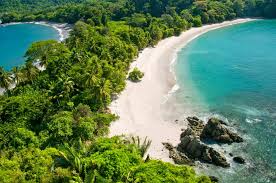
If you're planning a trip to Costa Rica, is Manuel Antonio worth it? For many travelers, the answer is yes. This Central Pacific destination combines rainforest wildlife, scenic beaches, and established tourism services within a relatively small area. However, its popularity, prices, and steep terrain may not suit everyone. Manuel Antonio is particularly appealing to first-time visitors who want to explore tropical forests without traveling deep into remote regions. Families and couples also appreciate the range of accommodations and organized activities. Still, travelers seeking solitude, extensive surfing, or a quieter coastal community may prefer another destination. This guide examines what makes Manuel Antonio worth visiting, where it falls short, and how to decide whether it belongs on your Costa Rica itinerary. Where Is Manuel Antonio, Costa Rica? Manuel Antonio lies on Costa Rica's Central Pacific coast in Puntarenas Province, just south of Quepos. The area includes forested hillsides, beaches, hotels, restaurants, and the entrance to Manuel Antonio National Park. Unlike a traditional beach town, Manuel Antonio does not have one compact commercial center. Instead, accommodations and businesses stretch along a winding road connecting Quepos with the national park area. How Far Is Manuel Antonio from San José? Manuel Antonio is approximately 160–180 kilometers (99–112 miles) from the San José airport area by road, depending on the route and starting point. From Juan Santamaría International Airport (SJO), allow roughly three to four and a half hours for the drive. Traffic, weather, and holiday congestion can increase travel time. Rental cars, private transfers, shared shuttles, and public transportation provide different ways to reach the destination. Is Manuel Antonio Easy to Get Around? Getting around requires some planning because the main road climbs through steep hills. Although some hotels sit near restaurants or beaches, others require transportation for everyday activities. Local buses connect Quepos with the Manuel Antonio area. Taxis and organized tour transfers provide additional options. However, travelers with mobility limitations should carefully review accommodation access, walking distances, and trail conditions before booking. What Is Manuel Antonio Really Like? Manuel Antonio combines tropical vegetation with a developed tourism environment. Hotels and restaurants occupy forested hillsides, while coastal viewpoints overlook the Pacific Ocean. Nearby Quepos provides supermarkets, pharmacies, banks, and other services. Wildlife can appear outside protected areas, particularly where forest habitat remains. However, sightings vary and should never be expected at every accommodation. The atmosphere is generally more relaxed than Jacó's nightlife-oriented town center. Still, Manuel Antonio is not an isolated wilderness destination. Popular beaches, busy roads, and tourism businesses are part of the experience. For visitors who appreciate nature alongside restaurants and comfortable accommodations, this balance can be a significant advantage. Reasons Manuel Antonio Is Worth Visiting Manuel Antonio National Park Manuel Antonio National Park is the area's main attraction. The park protects coastal rainforest habitats, walking trails, and beaches. Visitors can explore forested paths before spending time along the Pacific shoreline. Wildlife observation is another major reason to visit. However, animal encounters depend on weather, habitat, and individual behavior. The park also has visitor limits and admission requirements. Therefore, travelers should arrange tickets through the official SINAC online reservation system before arriving. The regular operating schedule includes a Tuesday closure, although current hours and restrictions should always be confirmed. Wildlife Viewing Opportunities Manuel Antonio supports several species that attract nature enthusiasts. Possible sightings include white-faced capuchin monkeys, howler monkeys, Central American squirrel monkeys, sloths, iguanas, and tropical birds. However, spotting wildlife requires patience. Animals may remain hidden in dense vegetation or move away from busy trails. A qualified naturalist guide can help visitors identify species and understand the surrounding ecosystem. Guides may also use spotting scopes to observe animals from a respectful distance. Never feed or approach wildlife, even when animals appear comfortable around visitors. Manuel Antonio Beaches…

Manuel Antonio vs Jacó: Which Should You Visit?

Choosing between Manuel Antonio vs Jacó comes down to the kind of Costa Rica vacation you want. Both destinations sit along the Central Pacific coast, offering beaches, restaurants, accommodations, and outdoor activities. However, their landscapes and atmosphere are noticeably different. Manuel Antonio is known for its rainforest-covered hills, wildlife viewing, and national park beaches. Jacó offers a flatter, more developed beach town with established surfing opportunities, restaurants, and a livelier nightlife scene. Neither destination is automatically better. Manuel Antonio generally suits travelers prioritizing nature and coastal scenery, while Jacó appeals to visitors seeking surfing, walkability, and shorter travel times from San José. This comparison covers the practical differences, including beaches, wildlife, accommodations, transportation, and costs.  Manuel Antonio vs Jacó: Quick Comparison CategoryManuel AntonioJacóAtmosphereRainforest and coastal sceneryDeveloped surf townBeachesPublic and national park beachesLong, open surf beachWildlifeNational park and surrounding forestNearby protected areasSurfingAvailable at selected beachesEstablished surf destinationNightlifeGenerally relaxedMore activeWalkabilitySteep hillside roadsFlatter commercial centerAccommodationRainforest hotels and coastal resortsCondos, surf hotels, vacation rentalsAccess from SJOLonger driveShorter driveBest suited forNature-focused travelersSurfers and social travelers Atmosphere: Rainforest Escape or Lively Surf Town? What Manuel Antonio Feels Like Manuel Antonio stretches along a winding hillside road between Quepos and the national park. Hotels, restaurants, and viewpoints occupy different elevations, often surrounded by tropical vegetation. Consequently, the area feels more dispersed than a traditional beach town. Wildlife may appear around forested properties, although sightings vary by location and season. Because of the steep terrain, walking between accommodations, restaurants, and beaches can be challenging. What Jacó Feels Like Jacó has a more conventional town layout, with a commercial center near its long Pacific beach. Restaurants, shops, surf schools, accommodations, and nightlife venues occupy a relatively compact area. The town also has a more developed appearance, with beachfront condominiums and larger buildings. However, Jacó is not exclusively a nightlife destination. Families, surfers, remote workers, and travelers seeking convenient coastal access also stay here. Which Has the Better Atmosphere? Choose Manuel Antonio if you prefer rainforest scenery, coastal viewpoints, and a nature-oriented setting. Choose Jacó if you value walkability, restaurants, surfing, and a more active town environment. Manuel Antonio vs Jacó Beaches Both destinations have Pacific beaches, but their settings and typical activities differ. Beaches in Manuel Antonio Manuel Antonio offers several distinct beach environments. Playa Espadilla Norte is the main public beach outside the national park. It has a long shoreline, nearby businesses, and opportunities for walking and surfing. Inside Manuel Antonio National Park, visitors can access Playa Manuel Antonio and Playa Espadilla Sur during permitted visiting hours. These beaches feature forested surroundings and coastal scenery. However, national park admission is required. Playa Biesanz is another option outside the park. It is smaller and more sheltered in appearance, although swimming conditions still require caution. Beaches in Jacó Playa Jacó extends along the town's coastline, providing convenient access from nearby accommodations and restaurants. The beach is closely associated with surfing, particularly lessons and recreational sessions. However, wave conditions vary across the beach and throughout the year. Strong currents can occur, so visitors should not assume that all sections are suitable for swimming. Which Destination Is Better for Swimming? Manuel Antonio offers more varied beach settings, including sheltered-looking bays and national park beaches. However, no beach is consistently safe under every condition.…

How to Spend 5 Days in Manuel Antonio: Wildlife, Beaches, and Pacific Sunsets

Spending 5 days in Manuel Antonio gives you time to explore one of Costa Rica's most appealing coastal regions without filling every hour with activities. Located on the Central Pacific coast near Quepos, Manuel Antonio combines tropical rainforest, wildlife, beaches, and outdoor adventures within a relatively compact area. A well-planned Manuel Antonio itinerary can include a national park visit, mangrove exploration, a coastal boat trip, and several relaxed afternoons by the ocean. Moreover, the region offers accommodations ranging from simple guesthouses to upscale rainforest resorts. This five-day plan balances exploration with downtime. It includes arrival and departure days, so travelers with late flights or early departures may need to adjust the schedule. Before Your 5-Day Manuel Antonio Itinerary A little preparation makes it easier to enjoy your stay. Transportation, accommodation location, and national park reservations deserve attention before arrival. How to Get to Manuel Antonio Manuel Antonio is near Quepos, approximately 160–180 kilometers (99–112 miles) by road from the San José area, depending on your starting point. From Juan Santamaría International Airport (SJO), allow approximately three to four and a half hours for a direct road journey. Traffic, weather, and holiday congestion can extend the trip. Travelers can rent a car, arrange a private transfer, book a shared shuttle, or use public transportation. However, shared shuttles and buses may take longer because of schedules and additional stops. Do You Need a Rental Car? A rental car provides flexibility, particularly if you plan to explore beaches or attractions outside the main hotel corridor. However, it is not essential for this itinerary. Local buses, taxis, and organized tours provide alternatives. Manuel Antonio has steep hills, so walking distances can be more demanding than they appear on a map. Consequently, accommodation location matters when traveling without a vehicle. Where to Stay for Five Days The Manuel Antonio hill road offers convenient access to restaurants, hotels, and transportation. However, individual properties vary in their proximity to beaches and the national park. Hotels near the park entrance may simplify an early visit. Meanwhile, Quepos provides supermarkets, restaurants, and other services. Travelers seeking upscale accommodations can compare Arenas del Mar Beachfront & Rainforest Resort, Parador Nature Resort & Spa, and Gaia Hotel & Reserve. Other established accommodation options include The Falls Resort at Manuel Antonio and Shana by the Beach. Before booking, confirm the property's location, transportation arrangements, accessibility, and current amenities. Day 1: Arrival, Orientation, and Pacific Sunset Your first day should be relaxed, especially if you are arriving after an international flight. Afternoon: Check In and Explore Your Surroundings After reaching Manuel Antonio, check into your accommodation and take time to settle in. If you have a rental car, become familiar with nearby roads and parking arrangements. Otherwise, ask your hotel about local buses, taxis, and transportation to the national park. Avoid scheduling a major excursion immediately after arrival. Delays at SJO Airport or traffic along the coast can affect your plans. Late Afternoon: Playa Espadilla Norte If time allows, visit Playa Espadilla Norte, the main public beach outside Manuel Antonio National Park. Its long shoreline provides space for walking, relaxing, and enjoying Pacific Ocean views. The beach is also a convenient sunset location when weather conditions cooperate. However, surf conditions vary, and strong currents can occur. Follow local warnings and avoid swimming when conditions are unsafe. Evening: Dinner with a View For dinner, consider a restaurant along the Manuel Antonio hill road. Emilio's Café and El Avión Restaurant & Bar are established names in the area, although opening hours and reservation arrangements should be checked before visiting. A relaxed dinner is enough for the first evening. The following day focuses on the national park. Day 2: Manuel Antonio National Park and Wildlife…

Manuel Antonio National Park Guide

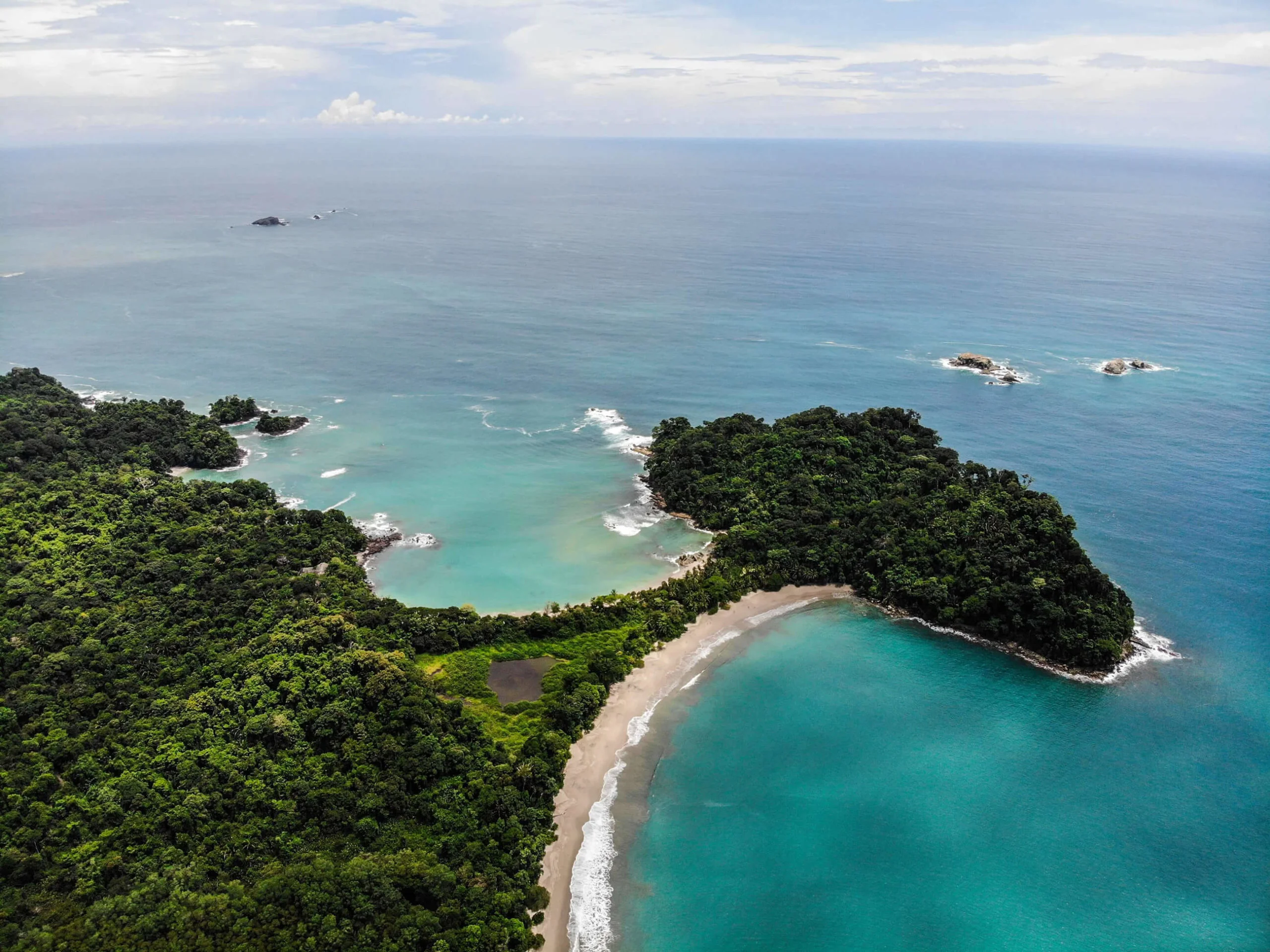
Manuel Antonio National Park combines tropical rainforest, Pacific beaches, and wildlife viewing in one relatively compact protected area. Located near Quepos on Costa Rica’s Central Pacific coast, the park attracts visitors hoping to see monkeys, sloths, tropical birds, and coastal scenery without traveling deep into remote wilderness. However, visiting requires more preparation than simply arriving at the entrance. Tickets must be arranged through the official reservation system, visitor rules limit what you can bring, and popular dates can fill quickly. Trails also vary in difficulty, while beach conditions change with weather and surf. This Manuel Antonio National Park guide explains how to plan your visit, choose walking trails, understand entrance requirements, and decide whether to hire a naturalist guide. It also covers nearby accommodations, transportation, seasonal weather, and practical tips for families and independent travelers. Where Is Manuel Antonio National Park? The park sits just outside Quepos, in Puntarenas Province. Quepos serves as the area's commercial center, with supermarkets, banks, restaurants, and Marina Pez Vela. Between Quepos and the national park, a winding hillside road passes hotels, restaurants, viewpoints, and vacation rentals. This corridor is commonly called Manuel Antonio. The park entrance lies near the southern end of this road, beyond the main public beach area of Playa Espadilla Norte. Getting to Manuel Antonio from San José From San José or Juan Santamaría International Airport (SJO), the road journey generally takes around three to four and a half hours. Traffic, weather, and your exact departure point can extend the trip. The common driving route follows Route 27 toward the Pacific coast before joining Route 34 south toward Quepos. Travelers can rent a car, arrange a private transfer, book a shared shuttle, or use public buses. Domestic flights to Quepos may also be an option when scheduled services operate. Manuel Antonio National Park Tickets and Entrance Fees Planning your admission is one of the most important parts of visiting the park. How to Buy Manuel Antonio National Park Tickets The official ticketing channel is the SINAC online reservation system. Visitors should select Manuel Antonio National Park, choose their intended date and available entry time, and complete the reservation using the required identification details. Keep your confirmation accessible when arriving at the entrance. Additionally, bring the identification document associated with your booking. Do not depend on purchasing admission from people approaching visitors near the park. Use the official reservation system rather than unofficial ticket sellers. Manuel Antonio National Park Entrance Fees Admission prices depend on visitor residency and age. The park has traditionally used different rates for nonresidents and Costa Rican residents, with separate categories for children and applicable exemptions. Because entrance fees can change, confirm the exact amount in the official reservation system before paying. The booking process should display the applicable admission category and final charge. Do Manuel Antonio National Park Tickets Sell Out? Yes, admission availability can become limited, particularly during popular vacation periods. The park manages visitor numbers to protect its facilities and natural environment. Consequently, visitors should not assume that their preferred date or entry time will remain available. Booking several days ahead is sensible during busy periods. For major holidays, checking availability earlier provides greater flexibility. Ticket Changes and Cancellations Before completing payment, review the terms displayed by SINAC. Do not assume that reservations can be transferred, refunded, or rescheduled without restrictions. Official policies may depend on the reservation type and circumstances. Manuel Antonio National Park Opening Hours The park's established visitor schedule is Wednesday through Monday, from 7:00 a.m. to 4:00 p.m., with Tuesday as its regular closure day. However, operating arrangements can change because of maintenance, weather, conservation measures, or administrative decisions. Always confirm the schedule through SINAC's official park information before visiting. Arriving early generally provides more time to explore the trails and beaches. Morning visits can also be more comfortable before temperatures rise. If your reservation includes a specific admission time, follow that time rather than assuming entry is permitted throughout the day. Manuel Antonio National Park Entry Rules…

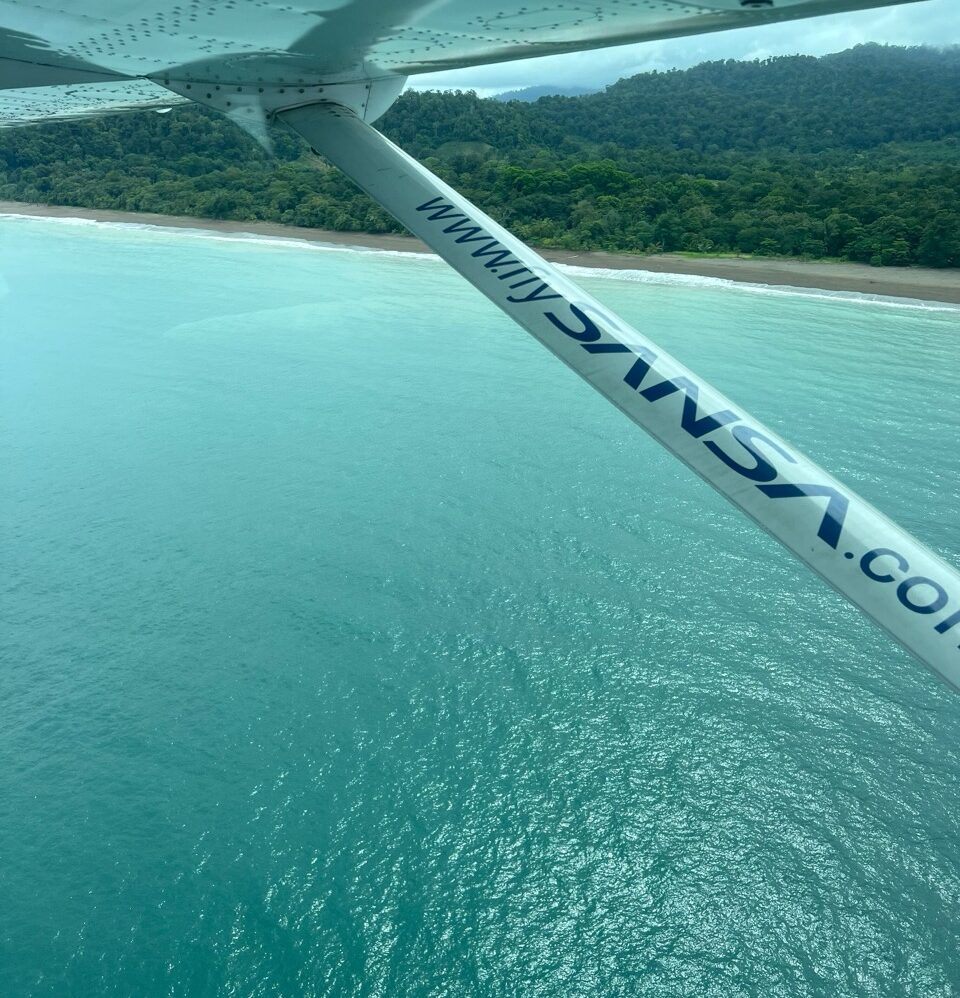
Fly to Manuel Antonio

How to Get to Manuel Antonio from San Jose

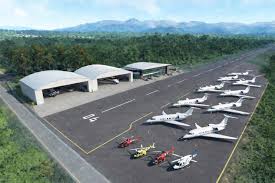
Planning how to get to Manuel Antonio from San Jose is an important part of any Costa Rica itinerary. Manuel Antonio sits on the Central Pacific coast, near the town of Quepos. Visitors come for its rainforest, wildlife, beaches, and national park. However, reaching the area requires some planning, especially after an international flight. Most international travelers arrive at Juan Santamaría International Airport (SJO), near Alajuela. The airport is outside downtown San José, which matters when comparing transportation routes and pickup locations. You have five main ways to reach Manuel Antonio: rental car, private transfer, shared shuttle, domestic flight to Quepos, or public bus. Each has advantages depending on your budget, luggage, arrival time, and travel plans. A rental car provides independence. Private transfers offer direct service without driving. Shared shuttles balance convenience and cost, while public buses are usually the cheapest choice. Domestic flights can shorten the journey, although airport connections may reduce the time saved. San Jose to Manuel Antonio: Distance and Travel Time Manuel Antonio is roughly 160–180 kilometers (99–112 miles) from the San José metropolitan area by road, depending on your starting point and destination. For planning purposes, allow approximately three to four and a half hours for a direct road journey under ordinary conditions. Traffic, heavy rain, roadworks, and holiday congestion can extend that time. The distance also changes depending on whether you start in downtown San José, SJO Airport, or another part of the Central Valley. Quepos is closer than the national park area, so your hotel's exact location matters. Is Manuel Antonio Close to SJO Airport? Manuel Antonio is not particularly close to SJO Airport. It is farther along the Central Pacific coast than Jacó. Nevertheless, same-day travel is practical for many visitors arriving in the morning or early afternoon. The important consideration is how much time you need for immigration, baggage collection, and transportation pickup. What Is the Fastest Way to Reach Manuel Antonio? A domestic flight to Quepos has the shortest airborne travel time when scheduled service is available. However, it does not automatically provide the shortest door-to-door journey. You must account for airline check-in, baggage procedures, departure schedules, and the transfer from Quepos Airport to your accommodation. A private road transfer may be faster overall when flight connections are inconvenient. San Jose to Manuel Antonio: Transportation Comparison TransportationApproximate travel timeCost structureBest forRental car3–4.5+ hoursRental, insurance, fuel, tollsIndependent travelersPrivate transfer3–4.5+ hoursPer vehicleFamilies and groupsShared shuttle4–5.5+ hoursPer passengerSolo travelers and couplesDomestic flightShort flight plus airport procedures and transfersPer passengerSuitable flight connectionsPublic bus4–6+ hours including connectionsPer passengerBudget travelers These times are planning estimates, not guaranteed schedules. Prices depend on operators, dates, passenger numbers, and booking conditions. Driving from San José to Manuel Antonio by Rental Car Driving is a practical option for travelers who want flexibility. It is particularly useful when Manuel Antonio is one stop on a longer Costa Rica itinerary. The common route follows Route 27 west toward the Pacific coast. Drivers then join Route 34, the Costanera Sur, and continue south toward Quepos and Manuel Antonio. Road Conditions The main route uses paved highways. Therefore, a four-wheel-drive vehicle is generally unnecessary for the standard journey. However, road conditions can change during heavy rain or maintenance work. Some hotels and vacation rentals also have steep or less-developed access roads. Before choosing a vehicle, check your accommodation's parking and access requirements. Route 27 Tolls Route 27 is a toll road. The amount you pay depends on the toll plazas you pass and your vehicle category. For current toll information, consult the official Globalvia Ruta 27 website. Carry an appropriate payment method and confirm accepted options before departure. Is Driving to Manuel Antonio Difficult? Most of the journey follows major roads, but driving still requires attention. Traffic can be heavy near San José and at major highway connections. In addition, rain may reduce visibility, especially later in the day. Navigation applications are helpful, although their estimated arrival times can change quickly. For first-time visitors, daytime driving is generally more comfortable than navigating unfamiliar roads after dark. Do You Need a Rental Car in Manuel Antonio?…