Do You Need a Guide for Manuel Antonio National Park?

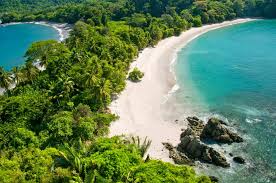
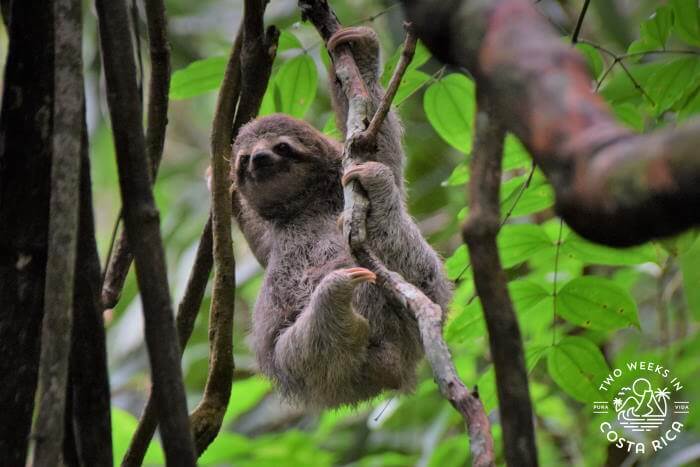
Do you need a guide for Manuel Antonio National Park? No. Visitors can explore the park independently without booking a guided tour. However, hiring a knowledgeable naturalist guide can be worthwhile if wildlife observation is your main priority. Manuel Antonio National Park combines tropical forest, coastal trails, and beaches near Quepos on Costa Rica's Central Pacific coast. You can walk its designated paths, look for animals, and enjoy the scenery at your own pace. Alternatively, a guide can help identify wildlife that might otherwise go unnoticed. The best choice depends on your budget, interests, and experience observing tropical animals. This guide compares both options, explains the costs to consider, and offers practical advice for planning your visit. Understanding Manuel Antonio National Park The park protects coastal rainforest and beaches just outside the main Manuel Antonio tourism area. Although it covers a relatively small area compared with some Costa Rican national parks, its varied habitats support numerous wildlife species. Visitors can explore designated trails and reach beaches within the protected area. However, the experience depends on which routes you choose and how much time you have. Wildlife You Might See White-faced capuchin monkeys, howler monkeys, and Central American squirrel monkeys inhabit the park. Visitors may also encounter sloths, iguanas, basilisk lizards, and tropical birds. However, wildlife sightings are unpredictable. Some animals remain high in the canopy, while others blend into vegetation. Even experienced observers cannot guarantee a particular sighting. Trails and Accessibility Manuel Antonio has established visitor trails, including the Sendero Perezoso area and the Punta Catedral route. However, the trails are not uniformly flat. Some sections involve steps, slopes, or uneven surfaces. Visitors with mobility limitations should check current accessible routes before arrival. You do not need technical hiking experience for many of the main visitor paths, but suitable footwear is helpful. National Park Opening Hours and Tickets The park generally operates Wednesday through Monday and closes on Tuesdays. Its published regular hours are 7:00 a.m. to 3:00 p.m. Visitors should purchase admission through the official SINAC online ticketing system. Because operating rules can change, confirm the schedule and visitor restrictions before your trip. Park admission and guided tour fees are separate unless your booking explicitly includes both. Can You Visit Manuel Antonio National Park Without a Guide? Yes. A self-guided visit is a practical option for travelers who prefer exploring independently. What a Self-Guided Visit Looks Like After entering the park, visitors can follow designated paths, stop at viewpoints, and explore permitted beaches. You can spend additional time observing wildlife or taking photographs without following a group's schedule. However, visitors must remain on authorized trails and respect park regulations. Wildlife Spotting Without a Guide Finding animals independently requires patience. Sloths may remain nearly motionless in the treetops. Meanwhile, smaller reptiles and birds can be difficult to identify among leaves and branches. Nevertheless, visitors sometimes observe monkeys, iguanas, and other wildlife without assistance. A pair of binoculars can be useful, although sightings remain unpredictable. Advantages of Exploring Independently Independent visits allow greater control over your schedule. You can spend more time at beaches, move at your preferred pace, and focus on subjects that interest you. Additionally, avoiding a guided tour fee reduces your overall expenses. Disadvantages of Exploring Independently…
How to Get to Manuel Antonio from San José Airport (SJO)

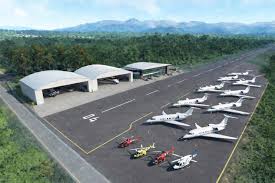
Planning how to get to Manuel Antonio from San José Airport is an important part of organizing your Costa Rica vacation. Manuel Antonio lies on the Central Pacific coast near Quepos, approximately 160–180 kilometers (99–112 miles) from Juan Santamaría International Airport (SJO), depending on your accommodation and route. Most travelers reach Manuel Antonio by rental car, shared shuttle, or private transfer. However, domestic flights to Quepos and public buses offer alternatives for visitors with different budgets and schedules. The journey by road typically takes around three to four and a half hours. Nevertheless, traffic, weather, and airport arrival procedures can affect your total travel time. This guide compares transportation options, explains the main driving route, and helps you choose the most practical way to reach Manuel Antonio. Understanding the Route from SJO to Manuel Antonio Juan Santamaría International Airport is located near Alajuela, northwest of downtown San José. Therefore, travel times from the airport differ from those starting in the city center. Distance from San José Airport to Manuel Antonio The journey from SJO to Manuel Antonio is approximately 160–180 kilometers by road. However, the exact distance depends on your destination. Quepos is closer than some accommodations farther along the Manuel Antonio hillside road. Likewise, reaching the national park entrance may require additional driving beyond central Quepos. How Long Does It Take to Drive? Under favorable conditions, the drive can take approximately three to three and a half hours. However, allowing three to four and a half hours is more practical for trip planning. Traffic around the Central Valley, road construction, heavy rain, and holiday congestion can increase journey times. Main Driving Route: Route 27 and Route 34 The usual route follows Route 27 west toward Costa Rica's Pacific coast. Drivers then connect with Route 34, also called Costanera Sur, and continue south toward Quepos. From Quepos, the road climbs toward Manuel Antonio's hotels, beaches, and national park area. Navigation applications can help identify current traffic conditions and road restrictions. Road Conditions and Tolls The principal highways between SJO and Manuel Antonio are paved. However, some smaller access roads near accommodations or inland attractions may have different surfaces. Route 27 includes toll plazas, so drivers should prepare an accepted payment method. Toll amounts and payment arrangements can change. Therefore, check current information before traveling rather than relying on a fixed estimate. Option 1: Driving from San José Airport to Manuel Antonio Renting a car provides flexibility, particularly for travelers planning to explore beyond the main tourism area. Renting a Car at SJO Airport Several rental car companies serve travelers arriving at SJO. Depending on the provider, vehicle collection may take place at an airport-area office reached by shuttle. For example, companies such as Adobe Rent a Car, Alamo Costa Rica, and Vamos Rent-A-Car offer Costa Rica rental services. However, confirm current airport pickup arrangements directly. Before arrival, review the company's instructions and ensure your reservation includes the correct pickup location. Rental Car Costs Rental prices depend on vehicle type, season, insurance coverage, and rental duration. Additional charges may apply for extra drivers, child seats, optional equipment, or other services. Therefore, compare complete rental quotes rather than advertised base prices.…

Gandoca-Manzanillo

Is Manuel Antonio Worth It? An Honest Costa Rica Travel Guide

If you're planning a trip to Costa Rica, is Manuel Antonio worth it? For many travelers, the answer is yes. This Central Pacific destination combines rainforest wildlife, scenic beaches, and established tourism services within a relatively small area. However, its popularity, prices, and steep terrain may not suit everyone. Manuel Antonio is particularly appealing to first-time visitors who want to explore tropical forests without traveling deep into remote regions. Families and couples also appreciate the range of accommodations and organized activities. Still, travelers seeking solitude, extensive surfing, or a quieter coastal community may prefer another destination. This guide examines what makes Manuel Antonio worth visiting, where it falls short, and how to decide whether it belongs on your Costa Rica itinerary. Where Is Manuel Antonio, Costa Rica? Manuel Antonio lies on Costa Rica's Central Pacific coast in Puntarenas Province, just south of Quepos. The area includes forested hillsides, beaches, hotels, restaurants, and the entrance to Manuel Antonio National Park. Unlike a traditional beach town, Manuel Antonio does not have one compact commercial center. Instead, accommodations and businesses stretch along a winding road connecting Quepos with the national park area. How Far Is Manuel Antonio from San José? Manuel Antonio is approximately 160–180 kilometers (99–112 miles) from the San José airport area by road, depending on the route and starting point. From Juan Santamaría International Airport (SJO), allow roughly three to four and a half hours for the drive. Traffic, weather, and holiday congestion can increase travel time. Rental cars, private transfers, shared shuttles, and public transportation provide different ways to reach the destination. Is Manuel Antonio Easy to Get Around? Getting around requires some planning because the main road climbs through steep hills. Although some hotels sit near restaurants or beaches, others require transportation for everyday activities. Local buses connect Quepos with the Manuel Antonio area. Taxis and organized tour transfers provide additional options. However, travelers with mobility limitations should carefully review accommodation access, walking distances, and trail conditions before booking. What Is Manuel Antonio Really Like? Manuel Antonio combines tropical vegetation with a developed tourism environment. Hotels and restaurants occupy forested hillsides, while coastal viewpoints overlook the Pacific Ocean. Nearby Quepos provides supermarkets, pharmacies, banks, and other services. Wildlife can appear outside protected areas, particularly where forest habitat remains. However, sightings vary and should never be expected at every accommodation. The atmosphere is generally more relaxed than Jacó's nightlife-oriented town center. Still, Manuel Antonio is not an isolated wilderness destination. Popular beaches, busy roads, and tourism businesses are part of the experience. For visitors who appreciate nature alongside restaurants and comfortable accommodations, this balance can be a significant advantage. Reasons Manuel Antonio Is Worth Visiting Manuel Antonio National Park Manuel Antonio National Park is the area's main attraction. The park protects coastal rainforest habitats, walking trails, and beaches. Visitors can explore forested paths before spending time along the Pacific shoreline. Wildlife observation is another major reason to visit. However, animal encounters depend on weather, habitat, and individual behavior. The park also has visitor limits and admission requirements. Therefore, travelers should arrange tickets through the official SINAC online reservation system before arriving. The regular operating schedule includes a Tuesday closure, although current hours and restrictions should always be confirmed. Wildlife Viewing Opportunities Manuel Antonio supports several species that attract nature enthusiasts. Possible sightings include white-faced capuchin monkeys, howler monkeys, Central American squirrel monkeys, sloths, iguanas, and tropical birds. However, spotting wildlife requires patience. Animals may remain hidden in dense vegetation or move away from busy trails. A qualified naturalist guide can help visitors identify species and understand the surrounding ecosystem. Guides may also use spotting scopes to observe animals from a respectful distance. Never feed or approach wildlife, even when animals appear comfortable around visitors. Manuel Antonio Beaches…