Coffee harvest season in Costa Rica offers travelers a unique chance to experience the country’s agricultural traditions, mountain landscapes, and coffee culture at their most active time of year.
Just after sunrise in Costa Rica’s coffee country, mountains steam in the cool air, birds burst from shade-grown coffee trees, and pickers with baskets slip into rows of red cherries.
When Is Coffee Harvest Season in Costa Rica?
The coffee harvest season in Costa Rica typically runs from November through March, though exact timing varies by elevation and region.
Higher-altitude farms — which often produce the country’s most prized specialty coffees — tend to harvest later because cooler temperatures slow bean maturation. Lower elevations generally begin earlier in the season.
Costa Rica Coffee Harvest Calendar by Region
| Coffee Region | Typical Harvest Season | Highlights |
| Central Valley | November–February | Accessible farms near San José |
| Heredia | November–January | Historic coffee estates and volcano views |
| Naranjo & Atenas | December–March | Boutique farms and small-scale producers |
| Tarrazú | December–March | World-famous high-altitude specialty coffee |
If you’re timing your visit, travelers coming between December and February will generally experience the most vibrant harvest activity in several regions. This period is ideal for those looking to witness the full energy of the season.
Why Coffee Matters in Costa Rica
Coffee isn’t just a crop in Costa Rica — it’s part of the nation’s identity.
Introduced in the late 1700s, coffee transformed Costa Rica’s economy during the 19th century and helped fund roads, schools, railways, and even the National Theater in San José. Unlike neighboring countries dominated by large colonial plantations, Costa Rica developed a culture of small and medium-sized family coffee farms, many of which still operate today.
Today, Costa Rica is internationally respected for:
- High-elevation specialty coffee
- Sustainable growing practices
- Shade-grown cultivation
- Traceable micro-lot production
- Innovative honey and natural processing methods
As harvest season unfolds, the country’s agricultural roots come into focus—making this an especially meaningful time for visitors eager to explore Costa Rica’s coffee legacy. Next, let’s look closer at what you can experience during this unique period.
What to Expect During Coffee Harvest Season in Costa Rica
Visiting during coffee season transforms a standard plantation tour into a living cultural experience. In the following section, discover how this immersive opportunity enhances your understanding of local traditions.
Instead of seeing dormant trees or machinery demonstrations, travelers can witness the entire process unfolding in real time — from hand-picking cherries to drying beans beneath the mountain sun.
Coffee Picking Experiences
Many farms allow visitors to participate in harvest activities alongside local workers. Guests are typically shown how to identify ripe cherries before heading into the fields with baskets tied around the waist.
Expect:
- Gentle hiking on hillside plantations
- Hands-on picking demonstrations
- Insight into fair-trade and sustainable farming
- Conversations with multi-generational coffee families
These experiences are especially rewarding for:
- Food and wine travelers
- Cultural enthusiasts
- Families seeking educational travel
- Couples looking for immersive experiences
Specialty Coffee Tastings and Cuppings
Costa Rica’s coffee scene has evolved far beyond traditional plantation tours.
Many farms now offer specialty coffee cupping sessions similar to wine tastings, where visitors learn to distinguish:
- Citrus notes
- Chocolate undertones
- Floral aromatics
- Altitude-driven flavor profiles
- Processing variations
With regions like Tarrazú and Naranjo fostering vibrant coffee culture, let’s explore the characteristics that set each coffee destination apart for travelers.
Some premium tours include:
- Private tastings with coffee producers
- Barista workshops
- Farm-to-cup experiences
- Roasting demonstrations
- Pairings with Costa Rican chocolate
Best Coffee Regions to Visit in Costa Rica
Central Valley
The Central Valley is the easiest coffee region to access from San José and ideal for travelers with limited time.
Rolling hills, volcanic soil, and mild temperatures make the region both scenic and productive. It’s also home to some of Costa Rica’s oldest coffee estates.
Why visit:
- Easy day trips from San José
- Historic plantations
- Boutique hotels and wellness lodges
- Excellent combination with cultural sightseeing
This region pairs especially well with itineraries focused on:
Tarrazú
Tarrazú is Costa Rica’s most internationally celebrated coffee region.
Located south of San José at elevations exceeding 4,000 feet, the region produces bright, highly aromatic coffees prized by specialty roasters worldwide.
What makes Tarrazú special:
- Dramatic mountain scenery
- High-elevation microclimates
- Award-winning specialty coffee
- Authentic rural communities
Harvest season here feels immersive and deeply local, with coffee dominating daily life across villages and farms.
Tarrazú is best for:
- Serious coffee enthusiasts
- Photographers
- Slow travel experiences
- Couples and independent travelers
Heredia
Often overlooked by international travelers, Heredia combines coffee culture with lush cloud forests and volcanic landscapes.
The region’s cooler climate creates ideal growing conditions, while proximity to San José makes it highly accessible.
Visitors can combine:
- Coffee tours
- Waterfall hikes
- Volcano excursions
- Wellness retreats
Heredia also works well for travelers exploring:
Naranjo and Atenas
Smaller and less commercialized than Tarrazú, Naranjo, and Atenas, Naranjo and Atenas offer intimate coffee experiences centered around family-run farms.
Travelers here often encounter:
- Small-batch production
- Organic farming methods
- Personalized tastings
- Farm stays with hosts.
These regions appeal strongly to:
- Sustainable travelers
- Culinary travelers
- Repeat visitors to Costa Rica.
- Travelers seeking fewer crowds
For a deeper regional overview, you may wish to explore coffee-growing areas such as Heredia, Naranjo, and Atenas through dedicated resources, which can help refine your itinerary.
Types of Coffee Tours in Costa Rica
Not all coffee tours are the same. During harvest season, travelers can choose from several styles of experiences.
Plantation Tours
Traditional guided walks through coffee farms covering:
- Growing methods
- Harvesting
- Processing
- Drying and roasting
Best for first-time visitors.
Specialty Coffee Experiences
Focused on high-end coffee appreciation and tasting.
Often includes:
- Expert cuppings
- Micro-lot tastings
- Brewing workshops
Ideal for coffee enthusiasts and food travelers.
Hands-On Harvest Tours
Interactive experiences where visitors participate in harvesting activities.
Best during peak harvest months:
- December
- January
- February
Coffee Farm Stays
Multi-day immersive experiences at working farms.
Guests may enjoy:
- Early morning harvest walks
- Farm-to-table meals
- Nature trails
- Birdwatching
- Wellness activities
Where to Stay in Costa Rica’s Coffee Regions
Coffee country accommodations tend to emphasize nature, sustainability, and slower travel experiences.
Boutique Coffee Lodges
Ideal for couples and luxury travelers seeking:
- Scenic mountain views
- Gourmet dining
- Spa experiences
- Guided tastings
Farm Stays
Perfect for immersive cultural experiences and families.
Expect:
- Family-hosted meals
- Rustic-chic accommodations
- Working farm environments
Eco-Lodges
Popular among wellness and sustainability travelers.
Many properties combine:
- Organic gardens
- Yoga
- Forest trails
- Coffee experiences
How to Plan a Coffee-Focused Trip in Costa Rica
A successful coffee itinerary works best when combined with other nearby experiences.
Recommended Itinerary Ideas
3–4 Days
- San José
- Central Valley coffee tours
- Poás Volcano
5–7 Days
- Tarrazú coffee region
- Boutique farm stay
- Pacific coast extension
10+ Days
Combine coffee regions with:
Weather During Coffee Harvest Season in Costa Rica
The coffee harvest overlaps with Costa Rica’s transition into the dry season, making it one of the most pleasant times to travel.
Weather During Coffee Season
- Cooler mountain mornings
- Sunny afternoons
- Occasional rain showers
- Lush green landscapes
Crowds and Booking Tips
December through February is the peak tourism season in Costa Rica.
Book early for:
- Boutique lodges
- Farm stays
- Private coffee tours
- Holiday travel periods
Tips for Coffee Harvest Season in Costa Rica
What to Wear
Coffee farms are often located on steep, muddy terrain.
Bring:
- Comfortable hiking shoes
- Light rain jacket
- Sun protection
- Layers for cool mornings
Farm Etiquette
Respect the agricultural nature of working farms:
- Ask before photographing workers.
- Follow harvesting instructions carefully.
- Avoid damaging coffee plants.
- Support local producers through purchases.
Book Tours in Advance
Smaller specialty farms frequently limit visitor numbers during harvest season.
Private and premium experiences may sell out weeks in advance during peak months.
Not sure whether coffee harvest season matches your travel style? Consider the following traveler profiles to see if this experience might be the right fit for you:
Coffee season appeals to travelers seeking a deeper cultural connection rather than fast-paced sightseeing.
This experience is especially suited for:
- Food and culinary travelers
- Couples
- Educational family trips
- Sustainable travelers
- Photographers
- Wellness travelers
- Adventure travelers interested in local culture
It’s less ideal for travelers focused primarily on beaches or nightlife.
To sum up, you may wonder if the coffee harvest season is truly worth planning your trip around. Here’s a final perspective to help you decide:
Absolutely.
Coffee harvest season offers one of the most rewarding and authentic travel experiences in Costa Rica — especially for visitors interested in culture, sustainability, gastronomy, and meaningful local encounters.
Beyond the tasting rooms and scenic plantations, coffee season reveals the rhythms of rural Costa Rica itself: mountain communities waking before dawn, generations working together during harvest, and traditions that continue to shape the country’s identity.
For travelers looking to experience Costa Rica beyond the typical tourist trail, there may be no better season to visit.
Related Posts

Slow Travel Costa Rica: Wellness in Atenas and Naranjo
Slow-travel Costa Rica experiences are especially rewarding in places not built…
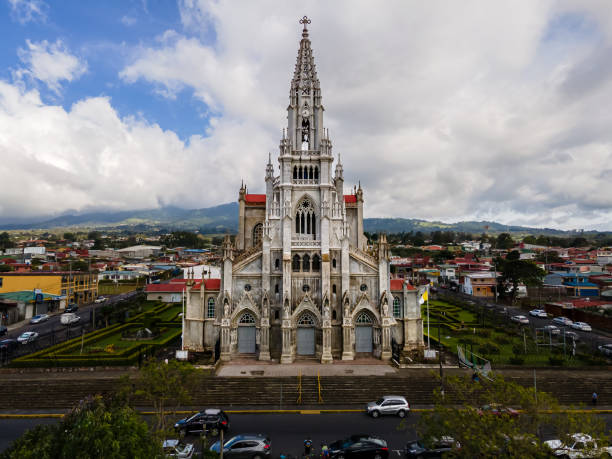
Heredia Travel Guide: Coffee, Culture & Colonial Streets
A good Heredia travel guide should go beyond coffee tours and airport…
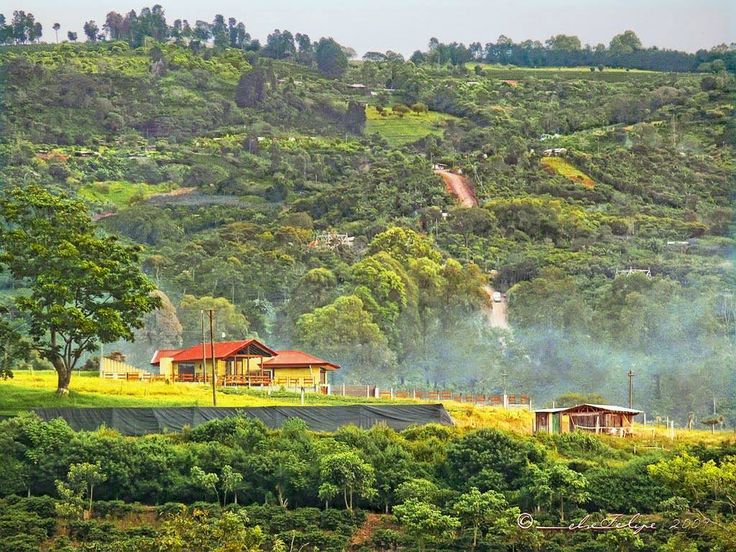
Naranjo Coffee Farms: Best Tours & Coffee Experiences
Naranjo coffee farms offer one of the best opportunities to experience…