The best coffee tours near San José, Costa Rica offer one of the easiest ways to understand the country beyond beaches, wildlife, and volcanoes.
Within the Central Valley, the coffee-growing areas around Heredia and Naranjo combine cool mountain air, volcanic soils, working farms, and generations of agricultural knowledge within relatively easy reach of San José and Juan Santamaría International Airport (SJO).
For travelers short on time, this matters.
You do not need to devote several days to a remote coffee region to experience a real plantation, learn how cherries are harvested and processed, compare roast profiles, and understand why coffee has played such an important role in Costa Rica’s history.
Why Heredia and Naranjo Stand Out
Costa Rica’s coffee story is deeply tied to the Central Valley.
The slopes around Heredia and Naranjo provide many of the conditions associated with high-quality Arabica production, including elevation, volcanic soils, defined wet and dry seasons, and moderate temperatures.
Heredia is the easier choice for travelers staying closer to San José. It combines historic neighborhoods, urban services, and nearby estates, making it useful for a half-day or full-day excursion.
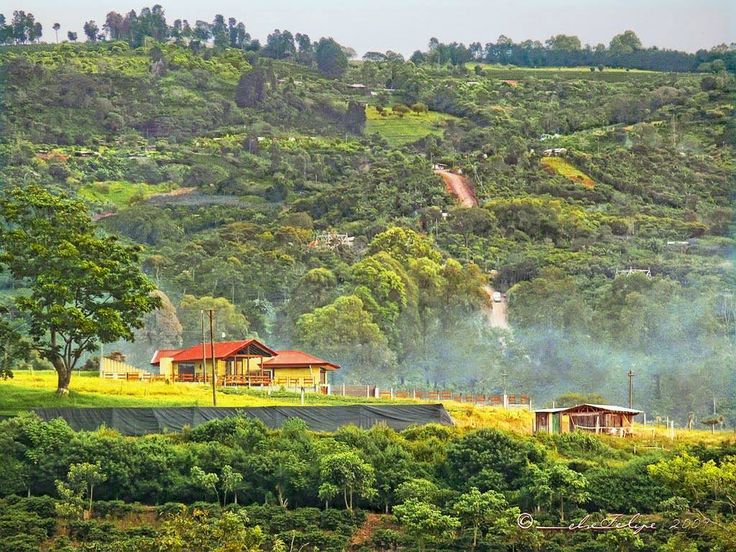
Naranjo feels more agricultural. Coffee farms and rural communities dominate the surrounding hills, so the experience tends to feel more immersive.
That distinction is useful.
Choose Heredia for accessibility.
Choose Naranjo for deeper agricultural context.
What Happens on a Coffee Tour
Most tours follow coffee through several stages.
You usually begin in the field, where guides explain how coffee plants grow and why elevation, shade, rainfall, and ripeness matter.
During harvest season, you may see ripe red cherries being picked by hand.
From there, the tour usually moves into processing.
You may learn about:
- Removing the fruit from the coffee cherry
- Fermentation
- Washing
- Drying
- Sorting
- Roasting
- Brewing and tasting
More detailed experiences may also introduce washed, honey, and natural processing methods.
For coffee enthusiasts, this is where the tour becomes especially interesting because processing can dramatically affect the final cup.
Estate-Style Tours in Heredia
Heredia is ideal for travelers who want a structured experience without complicated logistics.
Tours here are often well organized and can be easier for:
- First-time visitors
- Families
- Baby Boomers
- Travelers with limited time
- Visitors staying near San José or SJO
A typical estate-style visit may include a plantation walk, a processing demonstration, an explanation of roasting, and a tasting.
Some properties also add lunch, chocolate tastings, or cultural elements.
The advantage is consistency. You know roughly what the experience will include, and transportation is often easier to organize.
Smaller Coffee Farms in Naranjo
Naranjo offers a different style of visit.
Smaller farms and specialty producers can provide more personal experiences, particularly when a farmer or producer leads the tour.
These visits may focus more heavily on:
- Micro-lots
- Harvesting decisions
- Processing methods
- Specialty coffee
- Cooperative production
- Sustainability
- Direct trade
That makes Naranjo particularly appealing to repeat visitors or travelers already interested in coffee.
The trade-off is that smaller operations may require advance coordination rather than accepting walk-in visitors.
Coffee Tastings and Cupping
A tasting is usually included at the end of a tour, but not all tastings are equally detailed.
A simple tour may finish with one brewed coffee.
A more specialized experience may offer a formal cupping session in which you compare different coffees side by side.
You may learn to evaluate:
- Aroma
- Acidity
- Sweetness
- Body
- Aftertaste
Do not worry about identifying exact tasting notes.
The useful part is learning how different coffees can taste even when they come from the same general region.
Coffee Farm Stays Near San José
If you have more time, staying overnight in coffee country creates a much deeper experience than a quick day trip.
Some properties are working farms, while others are boutique lodges, finca stays, or countryside accommodations surrounded by coffee-growing landscapes.
A stay may include:
- Coffee views from the property
- Farm tours
- Freshly roasted coffee at breakfast
- Cooler mountain temperatures
- Easier access to early morning tours
For more ideas, see Coffee Farm Stays Near San José, Costa Rica.
What to Combine With a Coffee Tour
Coffee tours usually take only part of the day, so they naturally pair well with other Central Valley experiences.
Poás Volcano
A morning visit to Poás Volcano National Park can pair well with a coffee experience afterward.
The combination makes sense geographically and thematically: first you see the volcanic landscape, then you see how agriculture benefits from it.
Heredia Historic Center
If your tour is near Heredia, spend time walking through the city afterward.
The central park, historic buildings, and local restaurants provide more cultural context than the plantation alone.
Naranjo and the Western Central Valley
In Naranjo, consider allowing extra time for the countryside.
The scenic roads, smaller communities, and rural landscape are part of the experience.
Day Trips from San José
If you are building a longer Central Valley itinerary, see Best Day Trips from San José.
Best Time to Take a Coffee Tour
You can visit year-round, but the agricultural calendar affects what you will see.
Harvest Season
The period from roughly November through March is generally the most dynamic.
Depending on the farm and elevation, you may see:
- Ripe coffee cherries
- Workers harvesting
- Active mills
- Drying patios in use
This is the best season if your goal is to see production in action rather than only hear it explained.
For more detail, see Coffee Harvest Season in Costa Rica.
Dry Season
December through April generally brings easier walking conditions and clearer views.
It also overlaps with much of the harvest.
Green Season
From May through November, the farms become intensely green.
You may see less harvest activity, but the landscapes are beautiful, and visitor numbers are often lower.
Morning tours are usually preferable because rain becomes more likely later in the day.
Which Tour Is Best for Families?
Families generally do well with structured estate tours.
They offer clear explanations, manageable walking, restrooms, and a predictable schedule.
Children can see coffee cherries, processing equipment, drying areas, and roasting in a way that makes the experience easy to understand.
Older children may also enjoy tasting differences or learning how agriculture connects to trade and economics.
For younger children, ask in advance how much walking is involved.
Which Tour Is Best for Baby Boomers?
Heredia is often the easiest choice.
The proximity to San José and more structured visitor facilities can make the experience simpler.
However, active travelers may prefer the slower pace and rural atmosphere of Naranjo.
The main thing to ask before booking is how much walking the tour involves and whether the terrain is steep.
Coffee farms can be uneven even when the tour is not strenuous.
Which Tour Is Best for Coffee Enthusiasts?
Naranjo generally offers more potential for depth.
Look for tours that include:
- Micro-lot coffees
- Different processing methods
- Cupping
- Producer-led explanations
- Roasting demonstrations
- Specialty coffee
If you already know the basics, avoid tours that focus almost entirely on introductory material.
Ask specifically what the tasting includes before booking.
Which Tour Is Best for Travelers Short on Time?
Heredia.
It is easier to combine with San José (SJO) and works well when you only have a few hours.
A morning tour followed by lunch can fit comfortably into a half-day itinerary.
That makes it one of the easiest cultural experiences to add at the beginning or end of a Costa Rica trip.
How to Get There
A rental car provides the most flexibility, especially if you want to visit more than one coffee area.
Private drivers and organized tours are also good options.
Public transportation may work for towns, but it is less convenient for rural farms located outside the center.
Traffic near San José can be significant, particularly on weekday mornings and afternoons.
Therefore, build buffer time into your schedule.
If staying in Alajuela, you may have easier access to western coffee regions than travelers based in downtown San José.
Practical Tips Before You Go
Book in advance during the dry season and harvest months.
Wear comfortable closed shoes because plantation paths can be uneven.
Bring a light rain jacket during the green season.
Choose a morning departure whenever possible.
If the tour is important to you, ask exactly what is included before booking. A plantation walk, roasting demonstration, cupping, lunch, and private tasting are not the same experience.
Finally, leave room in your luggage.
Buying coffee directly from the producer is one of the most meaningful souvenirs you can bring home.
Final Thoughts
The best coffee tours near San José, Costa Rica are not simply about drinking better coffee.
They help explain the landscape.
They show how volcanic soil, elevation, rainfall, labor, processing, and generations of experience come together in something most travelers consume every morning without thinking about where it came from.
Heredia offers convenience and accessibility.
Naranjo offers depth and agricultural immersion.
Both provide something beaches and national parks cannot: a direct connection to one of the industries that helped shape modern Costa Rica.
For culturally curious travelers, that context can be one of the most memorable parts of the Central Valley.
Related Posts
Naranjo Coffee Farms: Best Tours & Coffee Experiences
Naranjo coffee farms offer one of the best opportunities to experience…
Coffee Farm Stays Near San José, Costa Rica
Coffee farm stays near San José, Costa Rica offer one of…
Heredia Travel Guide: Coffee, Culture & Colonial Streets
A good Heredia travel guide should go beyond coffee tours and airport…