Coffee farm stays near San José, Costa Rica offer one of the easiest ways to experience the country’s agricultural heritage without traveling far from the airport or committing to a remote itinerary.
Within the Central Valley, places such as Heredia, Naranjo, and Atenas combine mountain scenery, coffee plantations, mild temperatures, and a slower rhythm than the capital.
For travelers arriving through Juan Santamaría International Airport (SJO), these highland communities can turn a practical first or last night into something far more memorable. Instead of staying beside a highway near the terminal, you can wake to mist moving through coffee fields, drink locally grown coffee at breakfast, and spend the morning learning how one of Costa Rica’s most important crops moves from cherry to cup.
This region is particularly appealing to Baby Boomers, couples, families, cultural travelers, and anyone who prefers meaningful local experiences over resort isolation.
Understanding Costa Rica’s Coffee Highlands
Coffee helped shape the economic and cultural history of Costa Rica, and the Central Valley remains one of the best regions for understanding that legacy.
Volcanic soils, pronounced wet and dry seasons, and varied elevations create strong conditions for Arabica coffee production. Yet each community has its own personality.
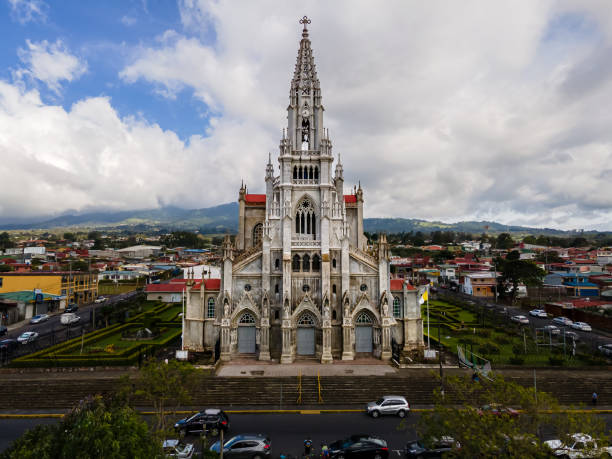
Heredia sits closest to the San José metropolitan area. It combines historic streets, universities, local neighborhoods, and easy access to traditional coffee estates.
Naranjo feels more agricultural. Its hills are covered with farms, and the town remains closely connected to the production, processing, and cooperative culture surrounding coffee.
Atenas offers something different again. It is warmer and more residential, with scenic hillside homes, an established international community, and an atmosphere suited to slow travel and longer stays.
Together, they form a useful coffee-focused corridor west and northwest of San José.
What a Coffee Farm Stay Is Really Like
A coffee farm stay is not necessarily a hotel built in the middle of a plantation.
The term can describe several types of accommodation: working estates with guest rooms, boutique lodges set in coffee-growing landscapes, finca stays, eco-lodges, or private homes in agricultural communities.
The common thread is proximity to the land.
Mornings may begin with birds rather than traffic. Breakfast often features locally grown coffee. In some properties, you can walk directly into the plantation with a guide; at others, nearby farms offer tours by reservation.
The best stays make the landscape part of the experience rather than using coffee simply as decoration.
Heredia: Best for Easy Access from San José
Heredia is one of the easiest places to combine coffee culture with proximity to the capital and airport.
The city itself feels more urban than Naranjo or Atenas, but the surrounding hills quickly become greener and more agricultural.
This makes Heredia a good choice for travelers who want:
- Coffee estates without a long transfer
- Easy access to San José
- Historic neighborhoods and local restaurants
- A short Central Valley stay before continuing elsewhere
The advantage is flexibility. You can spend the morning on a plantation and the afternoon exploring a town or museum rather than dedicating an entire day to transportation.
Naranjo: Best for Agricultural Immersion
Naranjo is the stronger choice for travelers who want coffee to be the central theme of the stay.
The surrounding landscape feels distinctly agricultural, with mountain roads winding between farms and high-elevation communities.
Here, a coffee experience can go deeper.
Visitors may learn about hand-picking, milling, washed and honey processing, drying, roasting, specialty micro-lots, and the role cooperatives play in the local economy.
Smaller farms can also provide more personal encounters with growers, particularly when tours are arranged in advance.
For serious coffee enthusiasts, Naranjo may be the most rewarding of the three areas.
Atenas: Best for Slow Travel and Longer Stays
Atenas appeals less for its concentrated coffee attractions and more for its lifestyle.
The town sits among the warmer Central Valley hills and attracts long-stay visitors seeking climate, views, privacy, and access to both San José and the Pacific.
Coffee-growing landscapes remain part of the wider region, but accommodations tend to lean toward villas, hillside rentals, finca stays, and boutique properties rather than large plantation-tour operations.
This makes Atenas especially suitable if you want to spend several days—or several weeks—rather than take a half-day tour.
What to Expect From a Coffee Tour
If your accommodation does not include its own plantation tour, booking one nearby is easy.
Most experiences follow coffee through several stages.
You may begin among the plants, where a guide explains altitude, rainfall, varieties, shade, and harvesting.
Next comes processing. Depending on the farm, you may see how fruit is removed, how beans are fermented or dried, and how different methods influence flavor.
Finally, most tours end with roasting and tasting.
A more detailed experience may include a formal cupping session in which you compare aroma, acidity, sweetness, body, and aftertaste across different coffees.
For a broader selection, see Best Coffee Tours Near San José.
Best Time for a Coffee Farm Stay
You can stay in Costa Rica’s coffee regions throughout the year, but the experience changes with the agricultural cycle.
Harvest Season
From roughly November through March, many farms become noticeably more active.
Depending on elevation and exact timing, you may see ripe cherries being picked, processing equipment operating, and coffee drying after harvest.
For travelers who want to see coffee production rather than hear it explained, this is often the most interesting season.
Dry Season
December through April generally brings more predictable weather and clearer mountain views.
Walking around farms is easier, and this period overlaps with much of the harvest season.
However, it is also one of Costa Rica’s busiest travel periods.
Green Season
From May through November, the hills become intensely lush.
Coffee plants enter different growth stages, crowds are lighter, and the scenery can be beautiful.
Rain becomes more common in the afternoon, so morning tours are usually easier to plan.
What Else Can You Do Nearby?
A coffee stay does not need to become a coffee-only vacation.
From the Central Valley, you can easily combine plantation visits with volcanoes, small towns, scenic drives, and waterfalls.
Travelers staying closer to Alajuela can visit Poás Volcano National Park before or after a coffee tour.
Heredia provides access to historic streets and urban culture.
Naranjo can be combined with other agricultural communities in the Western Central Valley.
Atenas works well as a slower base before continuing toward the Pacific or La Fortuna.
For broader ideas, explore Best Day Trips from San José.
Where to Eat
Food in these communities tends to be simple and local rather than resort-driven.
Traditional sodas serve casados, soups, rice and beans, grilled meats, plantains, and fresh juices.
Bakeries are common, while coffee-focused cafés naturally play a larger role than they do in many coastal destinations.
Some estates also offer lunches or tasting menus as part of the coffee experience.
For travelers accustomed to tourist zones, one of the pleasures of the Central Valley is that meals often feel connected to everyday Costa Rican life rather than designed specifically for visitors.
Do You Need a Rental Car?
For exploring several coffee regions, a rental car is the easiest option.
It allows you to move between towns, visit small farms, stay in hillside properties, and stop at viewpoints without relying on fixed schedules.
However, individual farm stays may provide transfers or arrange private transportation.
If you are staying in only one location for a short visit, a private driver can be perfectly practical.
The main consideration is the final access road.
Coffee-growing regions are mountainous, so even paved routes can be narrow and winding. During the green season, heavy rain can also reduce visibility.
Avoid unfamiliar rural roads after dark when possible.
Who Will Enjoy a Coffee Farm Stay Most?
These stays work particularly well for travelers who want to understand Costa Rica beyond beaches and national parks.
Cultural travelers gain insight into a crop that helped shape the country’s development.
Couples often appreciate the quiet mountain setting and slower pace.
Families with older children can turn the experience into a practical lesson in agriculture, sustainability, science, and economics.
Baby Boomers may appreciate the relatively gentle activity level and cooler Central Valley climate.
Meanwhile, wellness and slow-travel visitors often enjoy the combination of fresh air, agricultural landscapes, and unhurried routines.
Final Thoughts
The best coffee farm stays near San José, Costa Rica offer something more meaningful than simply sleeping outside the city.
They place you inside a landscape that helped shape Costa Rican history.
You wake among farms rather than highways. You drink coffee close to where it was grown. You learn why elevation, rain, soil, harvest timing, and processing matter. Most importantly, you meet the communities behind a product that has connected Costa Rica to the rest of the world for generations.
Heredia offers accessibility.
Naranjo offers deeper agricultural immersion.
Atenas offers space and slow living.
Whichever you choose, spending even one or two nights in the coffee highlands can add a completely different dimension to a Costa Rica itinerary.
Related Posts

Heredia vs Atenas: Which Coffee Town Is Right for You?
Choosing between Heredia vs Atenas means choosing between two very different versions…
Weekend Getaway from San José: Coffee Highlands Escape
A weekend getaway from San José does not require a long drive…
Living in Atenas or Heredia: What Expats Should Know
Choosing between living in Atenas or Heredia comes down to one of…