The Atenas climate has become almost as famous as the town itself. For years, Atenas has been promoted as having one of the most comfortable climates in Costa Rica—and sometimes even “the best climate in the world.”
The claim is easy to understand.
Set in the western Central Valley, Atenas sits between Costa Rica’s cooler mountain communities and the hotter Pacific lowlands. Days are usually warm, evenings can be pleasantly cool, and humidity often feels far more manageable than along the coast.
For travelers from the United States, Canada, or Europe considering a longer stay, the balance can be particularly attractive.
Still, climate is personal.
Someone looking for constant tropical heat may prefer Guanacaste. A traveler who enjoys cool, misty mornings might feel more comfortable in Monteverde or another higher-elevation community.
So, is the Atenas climate really the best in Costa Rica?
For some travelers, absolutely. For others, it is simply one of the country’s most balanced microclimates.
Why Atenas Has Such a Strong Climate Reputation
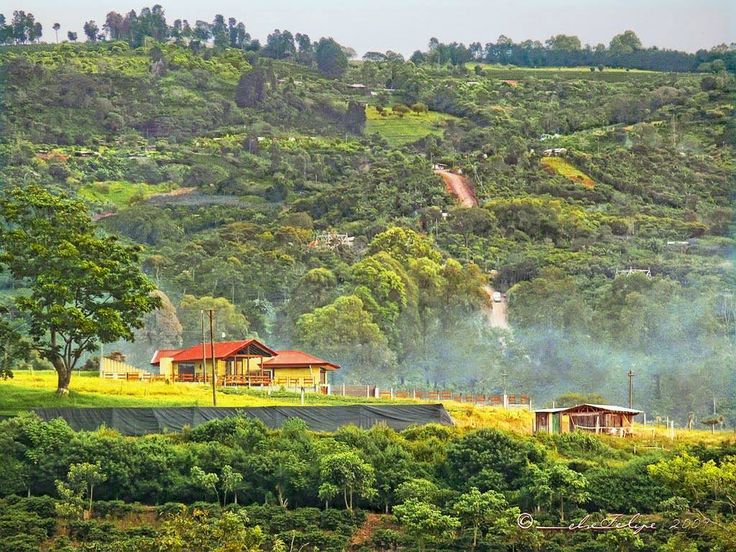
Atenas lies west of San José and Juan Santamaría International Airport (SJO), surrounded by hills, agricultural land, and valleys that descend gradually toward the Pacific.
Elevation varies throughout the area, which is one reason weather can feel different from one neighborhood to another.
In general, Atenas sits high enough to escape some of the intense tropical heat of Costa Rica’s coastal regions, yet low enough to remain warmer than many highland communities.
That middle position produces the characteristics that attract so many long-term residents:
- Warm days
- Cooler evenings
- Regular breezes in exposed areas
- Lower perceived humidity than many beaches
- Relatively small temperature changes throughout the year
Instead of dramatic seasonal swings, Atenas experiences a change primarily in rainfall.
That consistency is a major part of its appeal.
Understanding the Central Valley’s Microclimates
Costa Rica has remarkable climatic variation for such a small country.
A drive of less than an hour can take you from a sunny valley into clouds, rain, or noticeably cooler mountain air.
Elevation is one of the biggest influences.
Generally, lower elevations feel warmer, while higher communities are cooler. Wind exposure, slope orientation, vegetation, and rainfall patterns also make a difference.
Atenas occupies a transitional zone between the higher Central Valley and the warmer Pacific-facing slopes.
As a result, the weather often feels distinctly different from that in Heredia, San José, or on the coast.
This is why looking only at regional weather averages can be misleading.
Even within Atenas, your experience may depend on whether you stay downtown, in a sheltered valley, or on an exposed hillside.
What the Weather Feels Like During the Dry Season
Costa Rica’s dry season generally runs from December through April.
For many visitors, this is when Atenas comes closest to the idealized climate they have heard about.
Days are typically sunny and warm, while mornings and evenings can feel comfortable enough for outdoor dining, walking, or sitting on a terrace.
Humidity is often easier to tolerate than along the coast.
The landscape, however, becomes progressively drier as the season advances. By February, March, and April, hills that were intensely green during the rainy months can appear golden or brown.
Afternoons can also become quite warm in lower neighborhoods or homes receiving significant western sun.
Therefore, “perfect climate” does not mean constant spring temperatures.
It means the heat is often moderated by elevation and airflow.
What to Expect During the Green Season
The green season generally runs from May through November.
Instead of constant rain, the weather often follows a daily pattern.
Mornings may begin bright and relatively clear. Clouds then build through the day, with rain becoming more common in the afternoon or evening.
The landscape changes quickly once the rains return.
Hills turn green, gardens become more productive, and the surrounding countryside feels much more tropical.
For long-stay residents, this season can be especially appealing because the rain often cools the afternoon air.
However, September and October can bring heavier or more persistent rainfall.
Therefore, travelers should not assume every rainy-season day follows the same predictable schedule.
Still, Atenas generally remains comfortable enough for normal daily life throughout much of the year.
Does Elevation Make a Difference?
Yes—significantly.
Two properties within the Atenas area can feel surprisingly different.
Lower-Elevation Areas
Homes closer to lower valleys or major roads may feel warmer, particularly during sunny afternoons.
These areas can be convenient for reaching town, shops, and transportation.
However, they may not provide the cooling breezes that attract people to the surrounding hills.
Hillside Neighborhoods
Higher homes generally benefit from stronger airflow and cooler evenings.
Many also offer panoramic views of the Central Valley.
For long-term residents, this combination of scenery and ventilation can make hillside areas particularly desirable.
The trade-off is accessibility.
Roads may be steeper, narrower, and less practical without a car.
Exposed Ridges
Properties positioned on ridges can receive excellent airflow.
At certain times of year, however, those breezes may become stronger than some residents expect.
That is why visiting a property at different times of day can be useful before signing a long-term lease.
Where to Stay Based on Climate Preference
Travelers choosing where to stay in Atenas should consider temperature and airflow rather than distance from downtown alone.
If you prefer warmer conditions and easy access to restaurants and stores, staying closer to the center may work best.
If you want cooler evenings, privacy, and more natural ventilation, a hillside property may be worth the additional driving.
For longer stays, spend time in several neighborhoods before committing.
Climate is one of Atenas’ strongest advantages, but the microclimate of your actual property matters more than the town’s reputation.
Humidity Compared With the Coast
Humidity is one of the biggest reasons travelers choose Atenas over Costa Rica’s beaches.
Pacific destinations such as Jacó, Manuel Antonio, and parts of Guanacaste can feel significantly hotter because the air carries more moisture.
In Atenas, elevation and airflow often make the same general tropical warmth easier to tolerate.
This can influence daily life in several ways.
Homes may rely more heavily on open windows and ceiling fans rather than constant air conditioning. Residents can spend more time on terraces, in gardens, or outdoors during the morning and evening.
For travelers sensitive to humid climates, that difference can be substantial.
Do Homes in Atenas Need Air Conditioning?
Many do not.
Hillside homes with good orientation and cross-ventilation can remain comfortable with fans and open windows for much of the year.
However, this should not be treated as a universal rule.
Lower-elevation houses, enclosed properties, and homes receiving strong afternoon sun can become warmer.
Therefore, long-term renters should ask how the home feels during the hottest months rather than simply assuming air conditioning is unnecessary.
If remote work is part of your stay, temperature inside the house during the afternoon may matter much more than evening conditions.
Atenas vs Guanacaste
Guanacaste offers warmer, more tropical conditions.
During the dry season, temperatures can be considerably higher, and many coastal areas feel much more humid.
For travelers who want beaches, sunshine, and hot weather, that may be ideal.
Atenas offers a different lifestyle.
You give up immediate ocean access in exchange for cooler evenings, lower perceived humidity, and more comfortable year-round outdoor living.
For retirees and long-stay visitors, that trade-off can be worthwhile.
Atenas vs Monteverde
Monteverde sits at a much higher elevation and has a cooler, cloudier climate.
Mist, wind, and lower temperatures are central to the cloud-forest experience.
Some travelers love that.
Others find it too cool for permanent tropical living.
Atenas is warmer and generally sunnier, making it more appealing to people who want a mild climate without feeling like they live in the mountains.
Atenas vs Heredia
Higher-elevation parts of Heredia tend to be cooler and can receive more cloud cover.
Atenas is generally associated with warmer, sunnier conditions.
Heredia, however, offers closer access to much of the San José metropolitan area.
Therefore, the choice is not simply about weather.
Heredia may suit people who prioritize urban access, while Atenas often appeals more to those prioritizing lifestyle and climate.
Atenas vs San José
San José is cooler in many areas because of its higher elevation and denser urban environment.
It also offers far more restaurants, hospitals, museums, shopping, and transportation infrastructure.
Atenas feels warmer, quieter, and considerably more residential.
For people who spend most of their time at home or outdoors, Atenas may provide a more relaxed environment.
For those who need frequent access to city services, San José may be more practical.
How Climate Shapes Everyday Life
The climate is not simply something residents talk about.
It shapes how homes are designed and how people spend their days.
Terraces and covered patios are common. Meals may be eaten outdoors. Gardens become extensions of the living space.
Mornings often begin early, while the middle of the day can be slower.
During the green season, residents may organize errands and outdoor activities around afternoon rain.
This relationship between climate and routine is one of the reasons Atenas works so well for slow travel.
Rather than spending all day moving between attractions, visitors can enjoy being outside.
What Can You Do Year-Round?
Atenas is not an attraction-heavy destination.
Its appeal lies more in lifestyle.
Still, the relatively moderate weather makes a range of activities possible during most of the year.
Coffee farms and surrounding agricultural communities can be explored in the morning.
Scenic drives connect Atenas to Naranjo and other towns in the Western Central Valley.
Local markets, restaurants, and cafés provide an easy introduction to everyday Costa Rican life.
Atenas can also serve as a base for day trips toward San José, Alajuela, Poás Volcano, or the Pacific.
During the green season, schedule longer outdoor activities earlier in the day.
Who Is Most Likely to Enjoy the Climate?
The Atenas climate tends to suit travelers who want warmth without extremes.
Baby Boomers and retirees often appreciate the combination of comfortable evenings and reduced humidity.
Remote workers may enjoy working from open terraces without constantly relying on air conditioning.
Wellness travelers can take advantage of year-round outdoor living.
Long-stay visitors often find the predictable temperatures easier to adjust to than hotter coastal environments.
However, climate preference remains personal.
People who genuinely enjoy tropical heat may find Atenas too mild.
Those who love cool mountain weather may still find it too warm.
Is Atenas Really the “Best Climate in the World”?
That phrase should be treated as local reputation rather than scientific ranking.
There is no universally recognized meteorological title declaring Atenas the best climate in the world.
More importantly, there could not realistically be one.
Climate comfort is subjective.
Some people want warm nights and ocean humidity. Others want sweater weather. Some dislike rain, while others find prolonged dry-season landscapes unattractive.
It can be said more confidently that Atenas offers an unusually balanced climate in Costa Rica.
It avoids many of the extremes associated with both the lowlands and higher mountains.
That is why the reputation has lasted.
Is the Atenas Climate Right for Long-Term Living?
For many people, yes.
Climate is one of the reasons living in Atenas, Costa Rica has become attractive to international residents.
However, anyone considering a move should experience both the dry and rainy seasons if possible.
A house that feels perfect in January may feel very different during the wettest part of October.
Similarly, a hillside that feels beautifully breezy at one time of year may become windier during another.
Renting before buying is particularly useful in a place where microclimates vary so much.
Final Thoughts
The Atenas climate deserves much of its reputation—but not because it is objectively superior to every other climate in Costa Rica.
Its strength lies in balance.
Atenas is generally warmer than the higher Central Valley, less humid than the coast, sunnier than many mountain communities, and comfortable enough to support outdoor living throughout much of the year.
For travelers who want beach-level heat, it may not be the right choice.
For those who prefer misty cloud forests, it may still feel too warm.
But for visitors and long-term residents searching for moderate tropical warmth, cooler evenings, natural airflow, and relatively manageable seasonal changes, Atenas is one of the strongest options in Costa Rica.
The famous claim may be exaggerated.
The comfort is not.
Related Posts

Weekend Getaway from San José: Coffee Highlands Escape
A weekend getaway from San José does not require a long drive…

Heredia Travel Guide: Coffee, Culture & Colonial Streets
A good Heredia travel guide should go beyond coffee tours and airport…
Naranjo Coffee Farms: Best Tours & Coffee Experiences
Naranjo coffee farms offer one of the best opportunities to experience…