A Deep Dive into One of Costa Rica’s Most Important Wetland Birding Destinations
Costa Rica is a global birding powerhouse. But while Monteverde and Sarapiquí often dominate conversations, serious birdwatchers know that Caño Negro Wildlife Refuge holds a different kind of importance.
Located in northern Costa Rica near the Nicaraguan border, Caño Negro is not a canopy forest or cloud forest hotspot. It is a freshwater wetland system, which makes it one of the most strategically significant bird habitats in the country.
For birders who understand migration routes, seasonal hydrology, and wetland dynamics, Caño Negro is not just a pleasant excursion — it is a key site.
Overview: Where Is Caño Negro?
Caño Negro Wildlife Refuge lies near the town of Los Chiles, approximately:
- 1.5–2 hours from La Fortuna
- 2–2.5 hours from Liberia
- About 4 hours from San José
The refuge protects:
- Lago Caño Negro
- The Río Frío river system
- Seasonal marshes and floodplains
It is internationally recognized as a critical wetland habitat and part of a broader Central American migratory corridor.
Why Caño Negro Matters in Migratory Bird Routes
Caño Negro sits along the Central American migratory flyway, acting as a wintering ground and stopover site for North American species.
Between September and April, wetlands fill with migratory birds escaping colder climates.
For serious birders, this means:
- Increased species diversity
- Rare or regionally uncommon sightings
- Opportunities to observe mixed resident and migratory assemblages
Because wetlands concentrate food resources — fish, amphibians, aquatic insects — they attract both wading birds and raptors.
What Makes Caño Negro Special for Birders
1. Wetland Specialization
Unlike forest-heavy birding destinations, Caño Negro excels in:
- Waders
- Shorebirds
- Aquatic specialists
- Large-bodied wetland birds
You are not scanning a dense canopy. You are scanning open riverbanks and marsh edges.
Visibility is often superior to forest environments.
2. Seasonal Concentration Effect
During the dry season (December–April), water levels drop.
This forces:
- Fish into narrower channels
- Birds into concentrated feeding zones
- Raptors into predictable hunting patterns
For birders, this creates high-density viewing conditions that can be remarkably productive.
3. Potential Jabiru Stork Habitat
The jabiru stork, the largest flying bird in Central America, is rare and highly sought after.
Caño Negro is one of the few locations in Costa Rica where sightings are possible, particularly in drier months when wetlands shrink.
While never guaranteed, the possibility alone draws serious birders.
Notable Species in Caño Negro
While species lists vary seasonally, birders may encounter:
- Roseate spoonbills
- Wood storks
- Anhingas
- Bare-throated tiger herons
- Boat-billed herons
- Snail kites
- Ospreys
- Northern jacanas
- Multiple kingfisher species
- Black-collared hawks
Migratory warblers and swallows add further diversity during peak migration months.
Best Seasons for Serious Birding
Late Dry Season (February–April)
- Lower water levels
- Concentrated bird activity
- Excellent visibility
- Strong wader density
Often considered peak productivity for wetland specialists.
Early Rainy Season (May–July)
- Increased vegetation
- Transitional species movement
- Less crowding
Peak Migration (September–November)
- High migratory turnover
- Greater species diversity
- Expanded wetland habitat
Rain is more frequent, but species variety increases.
Boat-Based Birding: What to Expect
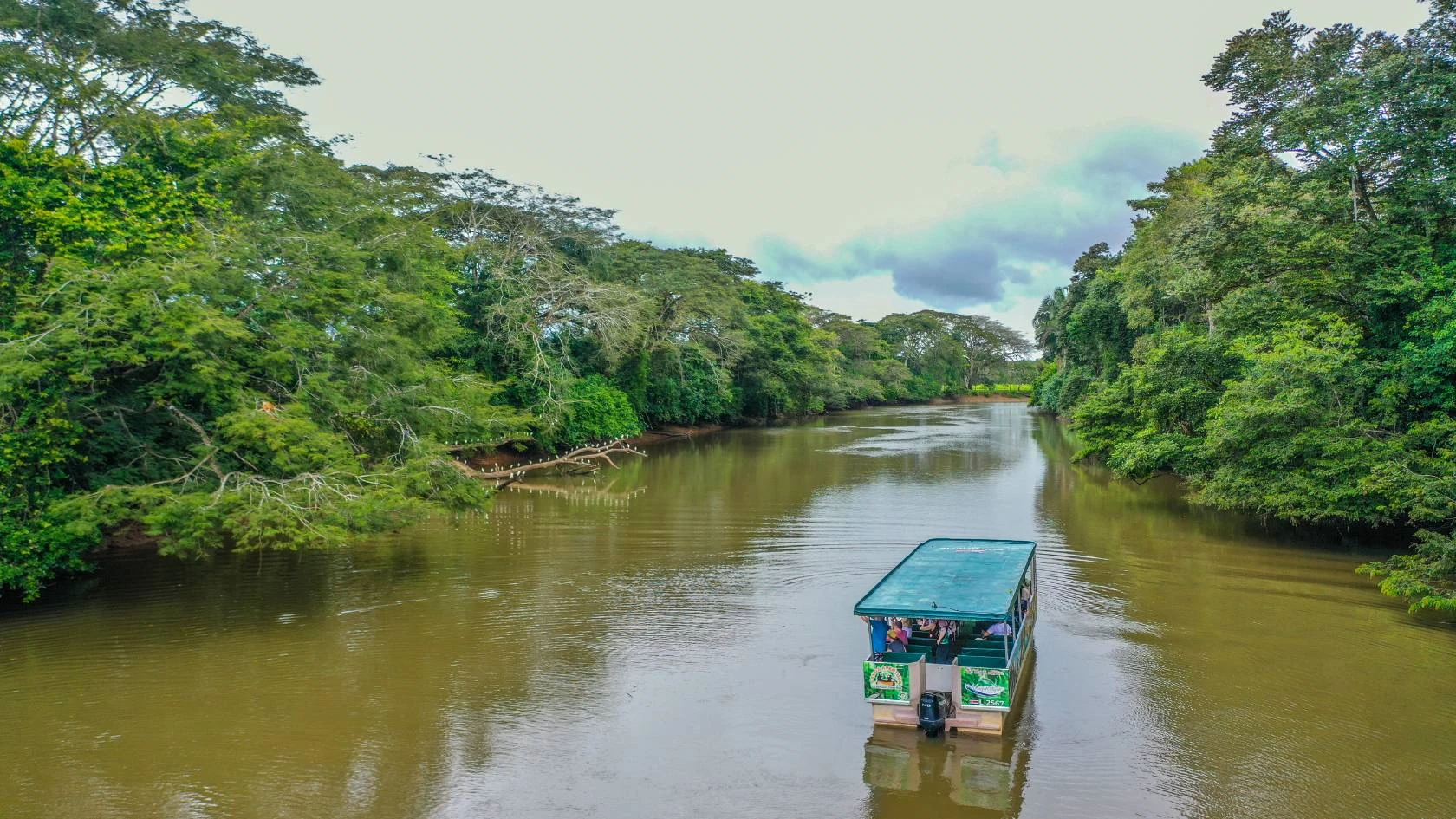
Birding in Caño Negro is typically conducted via small, covered motorboats along the Río Frío.
Advantages:
- Close-range riverbank access
- Low-angle photography opportunities
- Minimal hiking required
- Stable observation periods
Serious birders benefit from hiring guides familiar with subtle field marks and seasonal patterns.
Early morning departures are strongly recommended.
Where to Stay for Bird-Focused Visits
While many visitors join a day tour from La Fortuna, dedicated birdwatchers should consider staying near Los Chiles.
Benefits include:
- Dawn departures
- Flexible boat scheduling
- Evening bird activity
- Reduced travel fatigue
Small eco-lodges and rural guesthouses near the refuge offer proximity and quieter surroundings.
Staying locally increases your field time significantly.
Gear & Photography Considerations
Essential Equipment
- 8×42 or 10×42 binoculars
- 400mm+ telephoto lens (600mm preferred for distant waders)
- Weather protection for gear
- Lens hood for harsh midday light
- Extra batteries (humidity drains power faster)
Clothing & Field Prep
- Neutral earth tones
- Lightweight long sleeves
- Wide-brim hat
- Insect repellent
- Waterproof bag for gear
Humidity is constant, and sun exposure on open water can be intense.
Comparing Caño Negro to Other Costa Rican Birding Destinations
Caño Negro excels in:
- Wetland specialists
- Open-habitat visibility
- Large-bodied water birds
- Seasonal concentration
It complements forest-based destinations like:
- Monteverde (cloud forest specialists)
- Sarapiquí (lowland rainforest diversity)
- Arenal foothills (mixed forest species)
For serious birders building a species list, Caño Negro fills a specific ecological niche.
Who Should Prioritize Caño Negro?
- Birders targeting wetland species
- Photographers seeking open-water compositions
- Travelers combining Arenal with wildlife diversity
- Baby boomers prefer minimal hiking.
It may be less compelling for travelers seeking purely scenic landscapes or adrenaline activities.
Final Thoughts
Caño Negro is not dramatic in the way volcanoes are dramatic.
It is subtle. Strategic. Ecologically significant.
For casual visitors, it’s an enjoyable wildlife boat ride.
For serious birdwatchers, it is a critical wetland habitat with seasonal concentration dynamics that can produce exceptional sightings.
If your Costa Rica itinerary already includes forest birding, Caño Negro adds a different dimension — one defined by water, migration, and the quiet tension of scanning a marsh edge for movement.
For those who understand wetlands, Caño Negro is not optional.
It is essential.
Related Posts
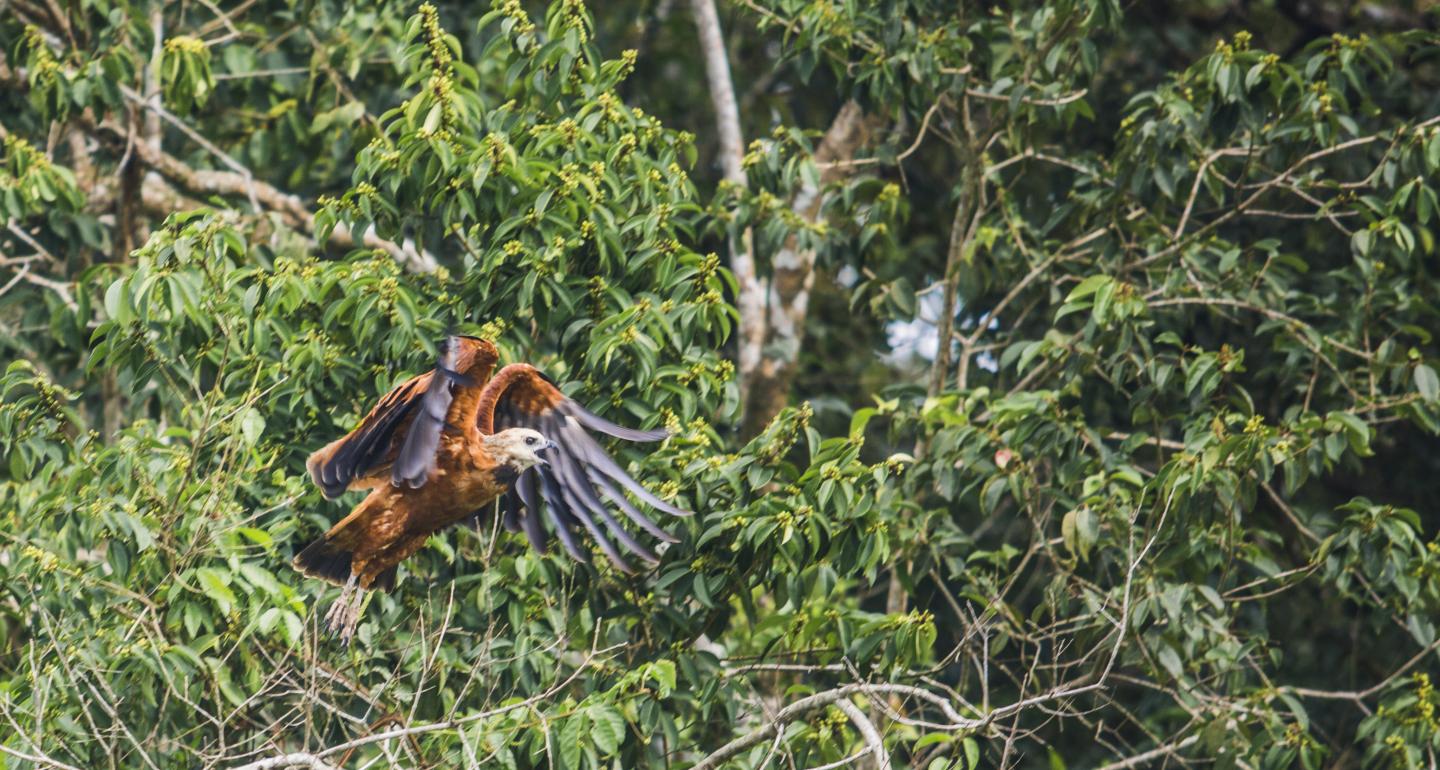
Birdwatching in Caño Negro Wildlife Refuge
Birdwatching in Caño Negro Wildlife Refuge offers one of the…
Wildlife Conservation in Caño Negro
Wildlife Conservation in Caño Negro is one of the main reasons…
How to Get to Caño Negro from La Fortuna
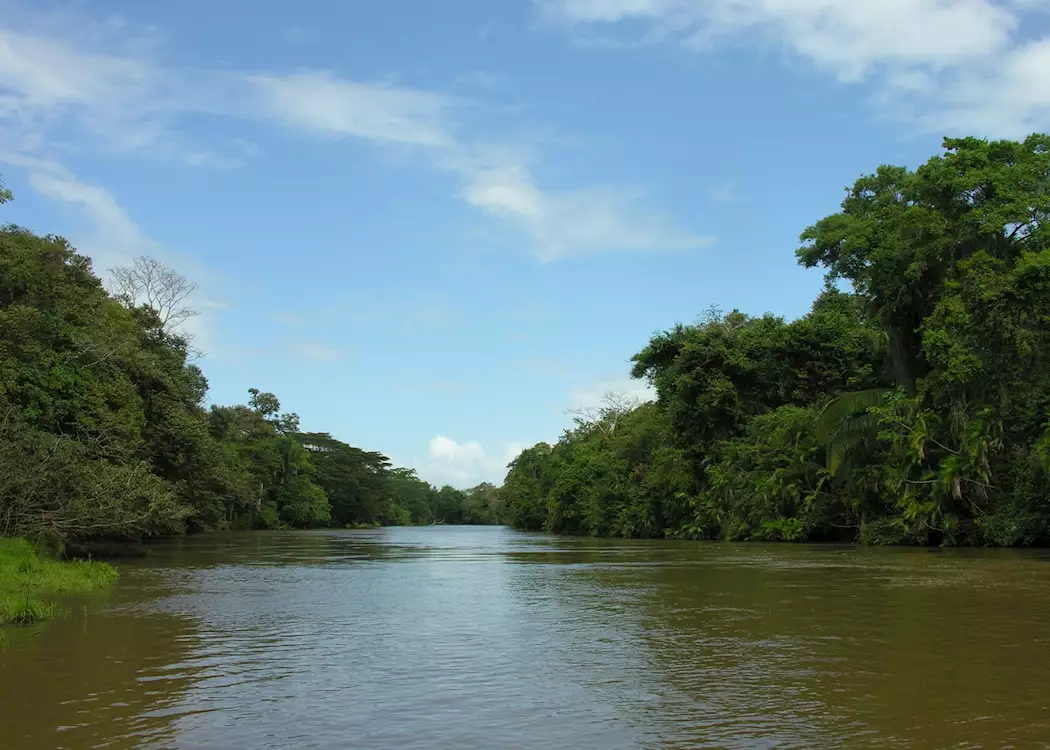
A Practical Guide to Reaching Caño Negro Wildlife Refuge from…