Tamarindo Costa Rica is one of Guanacaste’s established beach destinations, known for surfing, Pacific sunsets, restaurants, and a lively coastal atmosphere. Located on the Nicoya Peninsula’s northwestern coast, the town combines a broad sandy beach with accommodation, tour operators, grocery stores, and other services that make independent travel relatively straightforward.
For first-time visitors, Tamarindo offers a convenient introduction to Costa Rica’s Pacific coast. You can take a surf lesson, explore nearby beaches, join a wildlife excursion, or enjoy dinner without traveling far from your hotel.
However, Tamarindo isn’t a secluded village. Its popularity brings traffic, nightlife, and seasonal crowds. Choosing the right neighborhood and understanding local beach conditions can make a significant difference to your stay.
This Tamarindo travel guide covers the essentials, from transportation and accommodation to activities, dining, weather, and practical advice.
Where Is Tamarindo, Costa Rica?
Tamarindo lies in the canton of Santa Cruz, Guanacaste Province, on Costa Rica’s northern Pacific coast.
The town faces Tamarindo Bay, with Playa Langosta to the south and the Tamarindo estuary near the northern end of the beach. Across the estuary lies Playa Grande, an important coastal area associated with leatherback turtle conservation.
The surrounding region includes dry tropical forest, mangrove ecosystems, residential communities, and several well-known beaches.
Tamarindo is also a useful base for visiting Playa Avellanas, Playa Conchal, and Playa Flamingo. However, these destinations aren’t all within walking distance, and some require a substantial drive around local roads.
The closest major international gateway is Guanacaste Airport (LIR), near Liberia.
What Is Tamarindo Like?
Tamarindo has developed into a busy coastal tourism center while retaining a strong connection to surfing and outdoor recreation.
Along the main streets, you’ll find restaurants, cafés, surf shops, tour agencies, and accommodation ranging from hostels to upscale vacation rentals.
The beach remains the town’s main attraction. During the day, surfers practice in the waves, visitors walk along the sand, and boat operators organize coastal excursions.
In the evening, restaurants and bars become busier, especially during holidays and the dry season.
However, the atmosphere varies by location. Some properties sit close to nightlife, while others occupy quieter residential streets or hillsides.
Tamarindo works particularly well for travelers who enjoy having activities and services nearby. In contrast, visitors seeking complete seclusion may prefer a smaller coastal community.
Tamarindo Beach and Nearby Beaches
One of the advantages of staying in Tamarindo is the variety of beaches within the surrounding region.
Each has a different character, so it’s worth choosing according to your interests rather than assuming every beach offers the same experience.
Tamarindo Beach
Tamarindo Beach is a broad sandy shoreline that attracts surfers, beach walkers, and visitors enjoying the Pacific scenery.
Several surf schools operate in the area, making it a popular place for introductory lessons.
However, swimming conditions change with tides, currents, and swell. Some sections may be more suitable than others on a particular day.
Before entering the water, ask a qualified local instructor or lifeguard, where available, about current conditions. Avoid swimming near the estuary mouth.
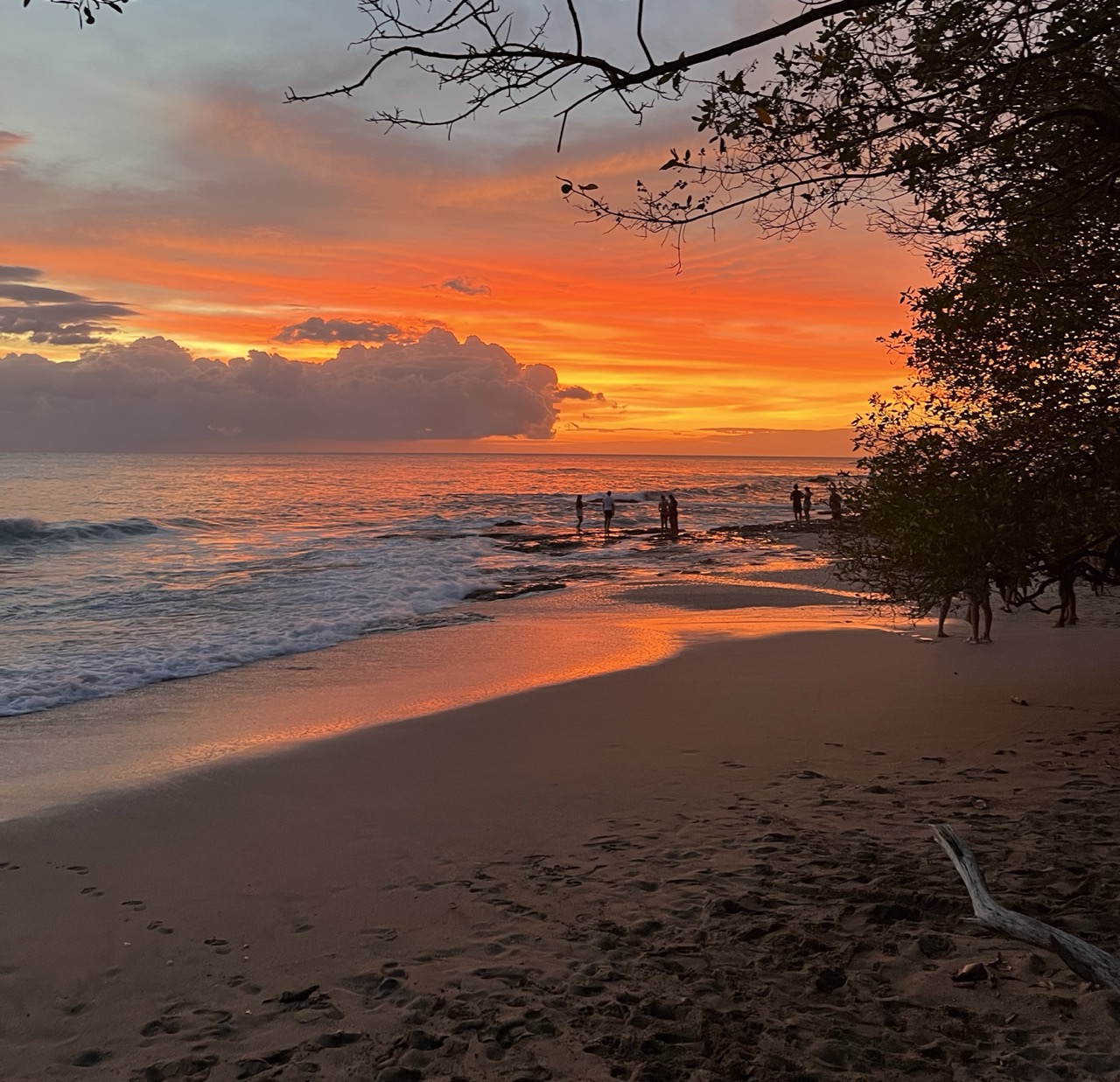
The beach is also a popular place to watch the sunset. Restaurants and businesses near the shoreline make it easy to combine an afternoon walk with dinner.
Playa Langosta
Playa Langosta lies south of central Tamarindo.
The surrounding neighborhood has residential properties, vacation rentals, and accommodation that may appeal to visitors who prefer staying outside the busiest commercial streets.
However, the beach has rocky sections, and wave conditions can be challenging. It isn’t a uniformly calm swimming beach.
For travelers who enjoy coastal walks and a more residential setting, Playa Langosta offers a different experience from downtown Tamarindo.
Playa Grande
Playa Grande lies north of the Tamarindo estuary.
Its long sandy shoreline attracts surfers and visitors interested in the protected coastal environment.
The beach is associated with Las Baulas National Marine Park, which protects important leatherback turtle nesting habitat.
Although Playa Grande appears close to Tamarindo on a map, road access requires traveling around the estuary.
Never attempt to swim or walk across the estuary mouth. Currents and wildlife make that an unsafe shortcut.
Playa Avellanas
Playa Avellanas is another option for surfers and travelers who want to explore beyond Tamarindo.
The coastline includes several surf areas with different conditions.
Its atmosphere can feel less concentrated than central Tamarindo, although popular sections still attract visitors.
Because wave conditions vary, beginners should seek local guidance before entering unfamiliar breaks.
Playa Conchal and Playa Flamingo
Playa Conchal is known for the shell fragments along parts of its shoreline and its distinctive coastal scenery.
Meanwhile, Playa Flamingo offers a different beach-town experience, with nearby accommodation, restaurants, and access to marine excursions.
Both make appealing outings from Tamarindo.
However, swimming conditions depend on the day, and access arrangements may vary. Check parking and transportation before departing.
Tamarindo Essentials: Groceries, Pharmacies and Services
Tamarindo’s everyday services make it practical for vacations that extend beyond a few nights.
Visitors can find grocery stores, pharmacies, shops, and businesses serving both residents and travelers.
Grocery Stores in Tamarindo
Auto Mercado is one of the supermarket chains associated with shopping in the Tamarindo area. Confirm the current branch location and opening hours before relying on it for a late arrival.
Smaller markets and convenience stores provide additional shopping options.
For families and travelers staying in vacation rentals, grocery access makes it easier to prepare breakfast, keep drinking water available, and organize meals around different schedules.
However, imported products and specialty foods may cost more or have limited availability.
Pharmacies and Medical Basics
Tamarindo has pharmacies and access to routine healthcare services in the surrounding area.
Nevertheless, visitors should carry enough essential prescription medication for their trip. Keep medication in its original packaging and bring relevant documentation when appropriate.
Don’t assume that a particular brand or prescription is available locally.
For medical emergencies, seek qualified professional care rather than relying on a pharmacy for treatment.
Walkability and Daily Transportation
Central Tamarindo is relatively compact, and many visitors can reach restaurants, shops, and parts of the beach on foot.
However, walkability depends on the location of your accommodation.
Some streets have limited pedestrian infrastructure, while heat and traffic can make longer walks uncomfortable.
Properties in hillside neighborhoods or outside town may require a vehicle.
Therefore, check the actual walking route before booking accommodation advertised as being near Tamarindo.
Best Areas to Stay in Tamarindo
Choosing where to stay can shape your experience as much as choosing the hotel itself.
Central Tamarindo
Downtown Tamarindo is convenient for travelers who want restaurants, surf schools, shops, and nightlife nearby.
It suits solo travelers, couples, and visitors who prefer to avoid driving for everyday activities.
However, some central streets can be busy in the evenings.
If you prefer early nights, check recent accommodation reviews for noise and traffic.
Playa Langosta
Playa Langosta offers a more residential alternative south of town.
It may suit couples, families, and longer-stay visitors who prefer accommodation away from the busiest commercial blocks.
However, the neighborhood covers a range of distances from central Tamarindo. Some properties are convenient for walking, while others are better reached by taxi or car.
Hillside Areas and Villarreal
Hillside neighborhoods around Tamarindo offer vacation rentals and residential accommodation, sometimes with more space than central properties.
However, steep roads and longer distances can make transportation necessary.
Villarreal is a separate community inland from Tamarindo, not simply another downtown neighborhood.
Staying there may suit visitors with a rental car who prefer a more residential setting.
Hacienda Pinilla and Nearby Coastal Areas
Hacienda Pinilla and the surrounding Playa Avellanas area offer another accommodation option.
Visitors may find resort-style properties, vacation rentals, and access to recreational facilities, depending on the property.
However, these areas are separate from central Tamarindo. A vehicle or arranged transportation is generally more useful.
How to Get to Tamarindo Costa Rica
Travelers usually reach Tamarindo through Guanacaste Airport (LIR) or Juan Santamaría International Airport (SJO).
The better choice depends on flight availability, transportation costs, and your overall itinerary.
From Guanacaste Airport (LIR)
Guanacaste Airport, near Liberia, is generally the more convenient major international airport for Tamarindo.
The drive often takes approximately one to two hours, depending on traffic, route, and the exact destination.
However, that estimate doesn’t include immigration, baggage collection, or rental-car pickup.
Private transfers are convenient for families and groups carrying luggage.
Shared shuttles may offer a less expensive alternative, although schedules and pickup arrangements vary.
Rental cars are useful if you plan to explore several beaches or stay outside the town center.
Public transportation is another possibility, but routes and connections require additional planning.
From San José Airport (SJO)
Juan Santamaría International Airport is located near Alajuela in Costa Rica’s Central Valley.
Traveling from SJO to Tamarindo involves a much longer ground journey than arriving at LIR.
Depending on traffic, stops, and road conditions, driving may take roughly four to six hours or longer.
Travelers can consider private transportation, shared shuttles, rental cars, or bus connections.
However, public bus schedules and transfer requirements should be checked before travel.
If you’re arriving late, consider whether an overnight stay near the airport would make the journey more comfortable.
Domestic Flights to Tamarindo
SANSA Airlines advertises direct flights between San José and Tamarindo Airport (TNO), with an approximate flying time of 50 minutes.
However, schedules and availability can change.
Domestic flights may reduce time spent on the road, but travelers should consider baggage restrictions, airport transfers, and connection times.
Do You Need a Rental Car?
A rental car isn’t essential if you’re staying in central Tamarindo and primarily plan to enjoy the beach, restaurants, and organized tours.
However, a vehicle becomes more useful for visiting Playa Avellanas, Playa Conchal, Playa Flamingo, or accommodation outside town.
Before renting, consider parking arrangements and whether you feel comfortable driving on unfamiliar roads.
Where to Stay in Tamarindo
Tamarindo offers accommodation for different budgets and travel styles.
Boutique hotels can appeal to couples who want a smaller property with personalized service.
Meanwhile, resort-style accommodation may suit families seeking pools, dining facilities, and other on-site amenities.
Vacation rentals are especially useful for groups and longer stays. A kitchen, separate bedrooms, and laundry facilities can make travel more comfortable.
Hostels and budget accommodation may appeal to solo travelers and visitors who prioritize activities over hotel facilities.
However, amenities vary considerably. Always confirm air conditioning, parking, accessibility, and the actual distance to the beach.
Also, check whether the property is near nightlife or on a steep hillside.
Where to Eat in Tamarindo
Tamarindo has a varied dining scene shaped by both Costa Rican traditions and international tourism.
Visitors can find casual cafés, local restaurants, seafood dishes, and international menus.
For breakfast, try traditional gallo pinto, often served with eggs, plantains, or other accompaniments.
At lunch, a casado provides a familiar Costa Rican meal built around rice, beans, a protein, and side dishes.
Restaurants also serve options such as ceviche, grilled fish, pizza, and burgers, depending on the establishment.
However, menus, prices, and opening hours change.
During busy holiday periods, consider making reservations for restaurants you particularly want to visit.
If you’re traveling with dietary restrictions, confirm available options directly rather than assuming every restaurant can accommodate them.
For families, a mix of restaurant meals and groceries can help manage daily costs.
Best Things to Do in Tamarindo
Tamarindo offers activities for visitors who enjoy both outdoor adventure and slower beach days.
Learn to Surf
Surfing is one of Tamarindo’s defining activities.
Local schools provide instruction for beginners, while experienced surfers can explore additional breaks around the region.
However, wave conditions change daily. Choose an instructor who considers your experience and the current conditions.
Explore the Tamarindo Estuary
The Tamarindo estuary forms part of the protected mangrove environment associated with Las Baulas National Marine Park.
Guided boat tours introduce visitors to the area’s ecosystems and may provide opportunities to observe birds, reptiles, and other wildlife.
However, animal sightings aren’t guaranteed.
Follow guide instructions and avoid entering the estuary water.
Take a Catamaran or Coastal Boat Tour
Boat excursions offer a different view of Guanacaste’s coastline.
Depending on the operator, trips may include sailing, snorkeling, refreshments, or sunset views.
However, itineraries depend on weather and sea conditions.
Confirm the departure point, safety equipment, and included activities before booking.
Try Yoga, Fishing or Adventure Tours
Tamarindo also has yoga providers, sportfishing charters, and access to ATV or zipline excursions in the surrounding region.
These activities appeal to different interests, so compare travel time and physical requirements before booking.
Tamarindo Nightlife
Tamarindo has an active evening scene, particularly around central restaurants and bars.
Sunset is a popular time to gather near the beach before heading out for dinner.
Later, some venues offer music or entertainment, depending on the day and season.
However, nightlife isn’t equally active every evening.
If you’re traveling with children or prefer quiet surroundings, choose accommodation carefully.
Meanwhile, visitors who enjoy restaurants and social evenings may appreciate staying closer to downtown.
Best Time to Visit Tamarindo
Tamarindo has a tropical climate with distinct seasonal rainfall patterns.
Dry Season: December to April
The dry season generally brings lower rainfall and more consistently sunny conditions.
This period is popular for beach vacations, particularly during Christmas, New Year, and Easter holidays.
Consequently, accommodation demand may rise during peak travel periods.
However, sunny weather doesn’t guarantee calm ocean conditions. Seasonal winds and swell can still affect swimming and boat excursions.
Green Season: May to November
The green season brings more rainfall and greener vegetation.
Some days offer extended periods of sunshine, while others experience heavier showers.
September and October are often among the wetter months in this part of Guanacaste, although conditions vary from year to year.
Travelers may encounter different accommodation rates and visitor numbers, but discounts aren’t guaranteed.
If you’re visiting during wetter months, leave room to adjust outdoor activities according to the forecast.
Practical Travel and Safety Tips
Tamarindo is an established visitor destination, but ordinary travel precautions remain important.
Ocean safety: Check conditions before swimming or surfing. Rip currents, changing tides, and powerful waves can create hazards even when the beach looks inviting.
Belongings: Don’t leave phones, wallets, or other valuables unattended on the sand.
Sun and heat: Carry drinking water, use sun protection, and consider limiting strenuous activities during the hottest hours.
Night transportation: If your accommodation is far from the center, arrange a reliable way to return after dinner.
Money: Use established ATMs when possible and follow normal payment-card precautions.
Wildlife: Observe animals from a distance, avoid feeding them, and respect protected-area rules.
These precautions can help visitors enjoy the destination without unnecessary risks.
How Many Days Do You Need in Tamarindo?
Three to five days gives many travelers enough time to enjoy Tamarindo’s main attractions.
With three days, you can explore the town, spend time at the beach, take a surf lesson, and choose another activity.
A five-day stay provides more flexibility for a nearby beach excursion, wildlife tour, or a slower day between activities.
For families, extra time can make the schedule more comfortable, especially when traveling with younger children.
Longer stays also work well for visitors interested in surfing, remote work, or exploring Guanacaste at a relaxed pace.
Frequently Asked Questions About Tamarindo
Is Tamarindo Costa Rica worth visiting?
Yes, particularly for travelers who want surfing, restaurants, beach activities, and convenient services. However, visitors seeking a secluded destination may prefer a smaller coastal town.
Is Tamarindo good for families?
Tamarindo can work well for families because it offers varied accommodation, restaurants, and organized activities. Nevertheless, parents should consider ocean conditions, traffic, and accommodation location.
Can you swim at Tamarindo Beach?
Swimming may be possible in suitable areas under appropriate conditions. However, currents and waves vary, so visitors should seek current local safety advice.
Is Tamarindo expensive?
Costs vary by season, accommodation type, dining choices, and activities. Tamarindo has budget options, but popular beachfront properties and organized excursions can increase overall expenses.
Is Tamarindo walkable?
Central Tamarindo is relatively walkable. However, hillside properties, Playa Langosta accommodation, and outlying communities may require transportation.
Is Tamarindo better than Playa Flamingo?
Neither destination is universally better. Tamarindo offers a more concentrated surfing, dining, and nightlife scene, while Playa Flamingo may appeal to travelers seeking a different beach setting and access to marina activities.
Final Verdict: Is Tamarindo Worth Visiting?
Tamarindo Costa Rica is a practical choice for travelers who want a lively Pacific beach destination with surfing, restaurants, accommodation, and organized activities.
Its strongest advantage is the ability to combine beach time with everyday conveniences and excursions across Guanacaste.
However, the town’s popularity means that location matters. Visitors should choose accommodation based on noise, walkability, transportation, and their preferred travel style.
For first-time visitors, families, solo travelers, and couples who enjoy an active coastal atmosphere, Tamarindo offers a flexible base for exploring Costa Rica’s northern Pacific coast.
Related Posts
Things to Do in Tamarindo Costa Rica: Best Activities and Tours
The best things to do in Tamarindo Costa Rica range from learning…
Liberia Airport to Tamarindo: Transportation Guide
Liberia Airport to Tamarindo is a popular transportation route for travelers…

Playa Grande Costa Rica: Surf, Turtles & Travel Guide
Playa Grande Costa Rica is a long Pacific beach north of…