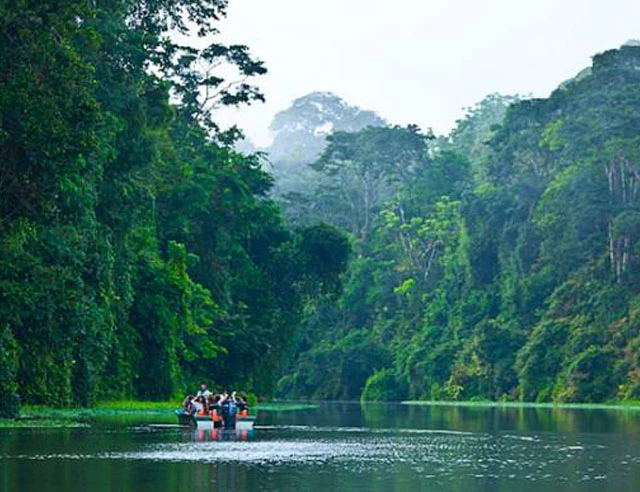
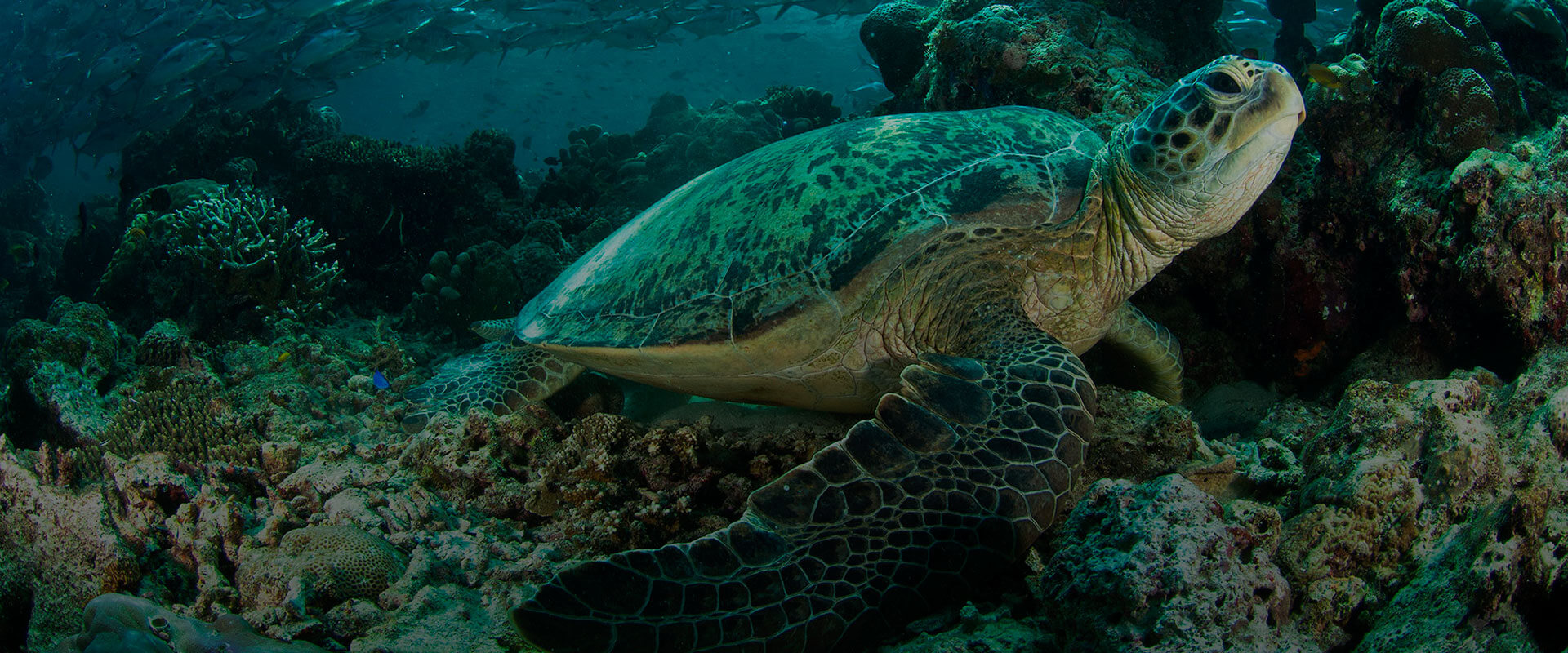
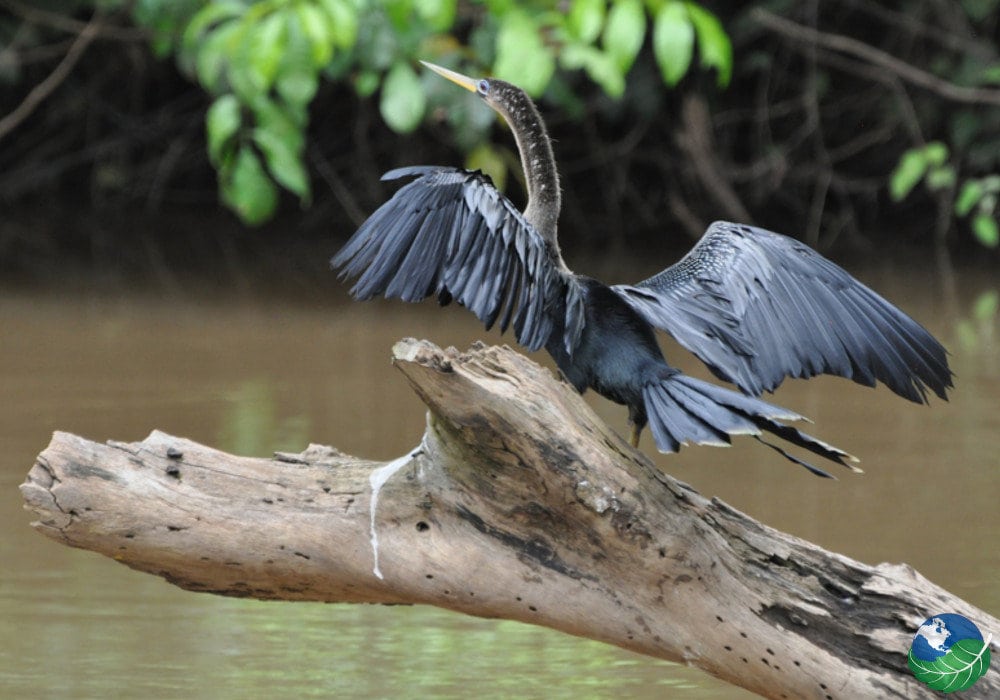
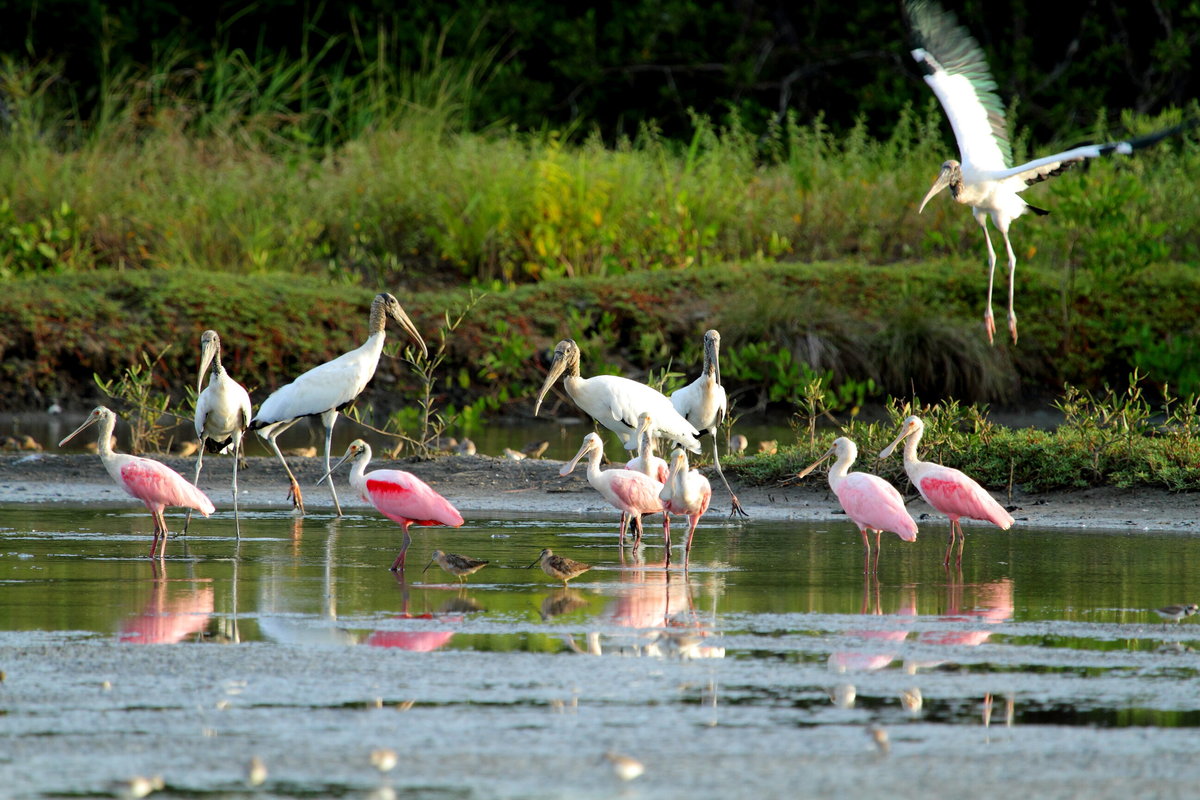
Is Caño Negro worth visiting? Yes, particularly if you enjoy wildlife, birdwatching, and exploring natural habitats at a relaxed pace. However, it is not the right excursion for every Costa Rica itinerary. Located in northern Costa Rica, Caño Negro Wildlife Refuge protects freshwater wetlands, lagoons, and seasonal floodplains. Instead of hiking to waterfalls or volcano viewpoints, visitors explore waterways by boat while looking for birds, reptiles, and monkeys. The experience requires patience. Wildlife sightings are unpredictable, and reaching the refuge from La Fortuna takes time. Still, for travelers interested in biodiversity, Caño Negro offers something quite different from the Arenal region. This guide explains what makes Caño Negro special, what to expect on a boat tour, and when the journey is worth the effort. What Is Caño Negro Wildlife Refuge? Caño Negro Wildlife Refuge is a protected wetland area in northern Alajuela Province, near Costa Rica's border with Nicaragua. The refuge lies within the Río Frío watershed and includes marshes, lagoons, rivers, and seasonal floodplains. Its changing water levels support a wide variety of aquatic wildlife. The National System of Conservation Areas (SINAC) manages the refuge. Caño Negro also holds international recognition under the Ramsar Convention, which identifies wetlands of global ecological importance. Unlike a permanent lake, parts of the wetland expand and contract as rainfall and river levels change. Consequently, the landscape and wildlife-viewing conditions vary throughout the year. Most travelers visit on guided boat excursions. These trips provide access to waterways where visitors can observe wildlife without extensive hiking. What Makes Caño Negro Different? Caño Negro offers a different perspective on Costa Rica's natural environment. Around Arenal Volcano, visitors often focus on volcanic landscapes, rainforest trails, waterfalls, and hot springs. Caño Negro, however, centers on freshwater ecosystems. The scenery consists mainly of riverbanks, marshes, wetland vegetation, and surrounding rural landscapes. Rather than moving between several attractions, visitors spend time observing individual animals and their behavior. A guide might stop the boat to identify a kingfisher, point out a caiman resting near the bank, or explain how seasonal flooding influences bird feeding areas. The experience is quieter and more observational than many adventure activities around La Fortuna. However, that slower pace is not necessarily appealing to everyone. What Wildlife Can You See in Caño Negro? Wildlife is the main reason to visit the refuge. Although no tour guarantees sightings, the area's freshwater habitats provide opportunities to observe several animal groups. Birds Caño Negro is especially appealing to birdwatchers. Possible sightings include herons, egrets, kingfishers, anhingas, and other birds associated with wetlands and rivers. Roseate spoonbills may also occur in suitable habitat. Meanwhile, the jabiru stork is a particularly sought-after species, although sightings should never be expected. Both resident and migratory birds use the region. However, migration schedules vary by species, so no single month guarantees the greatest diversity. Reptiles Visitors may encounter spectacled caimans along waterways, particularly where banks provide suitable resting areas. Iguanas, basilisk lizards, and freshwater turtles are other possible sightings. Some reptiles remain partly hidden in vegetation or water. Therefore, careful observation is often more productive than searching for large animals alone. Mammals Howler monkeys and white-faced capuchins may appear in trees near the river. However, mammals are not equally visible on every excursion. Some remain high in the canopy, while others move away before boats approach. Experienced naturalist guides can help visitors recognize movement, sounds, and signs of wildlife. Still, the number of animals seen depends on natural conditions rather than the guide alone.…