If Arenal Volcano showcases Costa Rica’s dramatic landscapes and Río Celeste captivates visitors with its unreal shades of blue, Caño Negro Wildlife Refuge reveals a different side of the country altogether. Here, the experience is quieter, slower, and often more rewarding for travelers who appreciate wildlife and nature.
Located near the Nicaraguan border, Caño Negro Wildlife Refuge protects one of the most important wetland ecosystems in Central America. While many visitors arrive expecting a birdwatching destination, they quickly discover something much larger. The refuge supports migratory birds, monkeys, caimans, river turtles, reptiles, and countless aquatic species that depend on its seasonal floodplains.
Unlike Costa Rica’s better-known national parks, Caño Negro is explored primarily by boat tours. As a result, visitors can observe wildlife with minimal physical effort while enjoying access to habitats that would otherwise be difficult to reach. For families, photographers, birders, and nature enthusiasts, it is one of the most unique excursions available from La Fortuna.
What Is Caño Negro Wildlife Refuge?
Caño Negro Wildlife Refuge is a protected wetland system located near the town of Los Chiles in northern Costa Rica. Depending on your starting point, it is approximately two hours from La Fortuna, two and a half hours from Liberia, and more than four hours from San José.
The refuge protects an interconnected network of wetlands, lagoons, seasonal floodplains, and waterways, including Lago Caño Negro and the Río Frío river system. Because of this ecological diversity, the area has earned international recognition as one of the most important freshwater habitats in the region.
Unlike rainforest destinations that focus on hiking trails and waterfalls, Caño Negro revolves around water. Consequently, most visitors experience the refuge through guided river safaris that move slowly through wildlife-rich channels.
Why Caño Negro Matters Ecologically
Caño Negro was officially declared a wildlife refuge in 1984 to protect its fragile wetland ecosystems and migratory bird populations.
Today, the refuge serves several critical ecological functions. It provides breeding habitat for aquatic birds, supports migratory species traveling between North and South America, and protects freshwater environments that sustain a remarkable diversity of wildlife.
Furthermore, the refuge forms part of an internationally important wetland conservation network. Without areas like Caño Negro, many migratory bird populations would lose critical resting and feeding grounds during their seasonal journeys.
Understanding the Seasonal Flood Cycle
To fully appreciate Caño Negro, it helps to understand how dramatically the landscape changes throughout the year.
During the rainy season, which generally runs from May through November, water levels rise significantly across the refuge. As wetlands expand, wildlife spreads across a much larger area. At the same time, the scenery becomes incredibly lush, and boat tours can access flooded habitats that remain unreachable during drier months.
By contrast, the dry season creates a completely different experience. As water levels recede, animals become concentrated around the remaining channels and lagoons. Consequently, wildlife sightings are often easier and more predictable. This is one reason many photographers and birdwatchers prefer visiting between December and April.
For additional planning tips, see our guide to the Birdwatching in Caño Negro Wildlife Refuge.
How to Get to Caño Negro from La Fortuna
Most travelers visit Caño Negro as a day trip from La Fortuna.
The most popular option is a guided boat tour that includes transportation, a river safari, and lunch. Typically, guests are picked up from their hotels early in the morning before making the scenic drive to Los Chiles. After boarding a boat on Río Frío, visitors spend several hours exploring the wetlands before returning to La Fortuna later in the afternoon.
Alternatively, independent travelers can rent a car and drive directly to Los Chiles. Although the roads are mostly paved, guided tours generally provide a more rewarding experience because local naturalists know where wildlife is most active.
What Wildlife Can You See in Caño Negro?
Wildlife is unquestionably the main attraction.
Boat tours frequently encounter caimans resting along muddy banks, iguanas basking in the sun, and both howler and white-faced capuchin monkeys moving through riverside trees. In addition, turtles, bats, and numerous bird species are commonly observed throughout the refuge.
Birdwatchers, however, often consider Caño Negro one of Costa Rica’s premier destinations. Depending on the season, visitors may spot herons, egrets, kingfishers, anhingas, roseate spoonbills, and even the elusive jabiru stork.
Because boats move slowly and wildlife is often encountered at close range, photography opportunities are exceptional.
Is Caño Negro Worth Visiting?
For travelers focused exclusively on volcanoes, waterfalls, or adventure sports, Caño Negro may initially seem less exciting than other destinations in northern Costa Rica.
However, those who appreciate wildlife, birdwatching, photography, and immersive nature experiences often find it to be one of the highlights of their trip.
There are no zip lines here. There are no hot springs. Instead, the experience centers on patience, observation, and the opportunity to witness a thriving wetland ecosystem in its natural state.
Ultimately, that’s what makes Caño Negro special. While other destinations impress visitors with dramatic scenery, Caño Negro rewards those willing to slow down and pay attention.
Related Posts
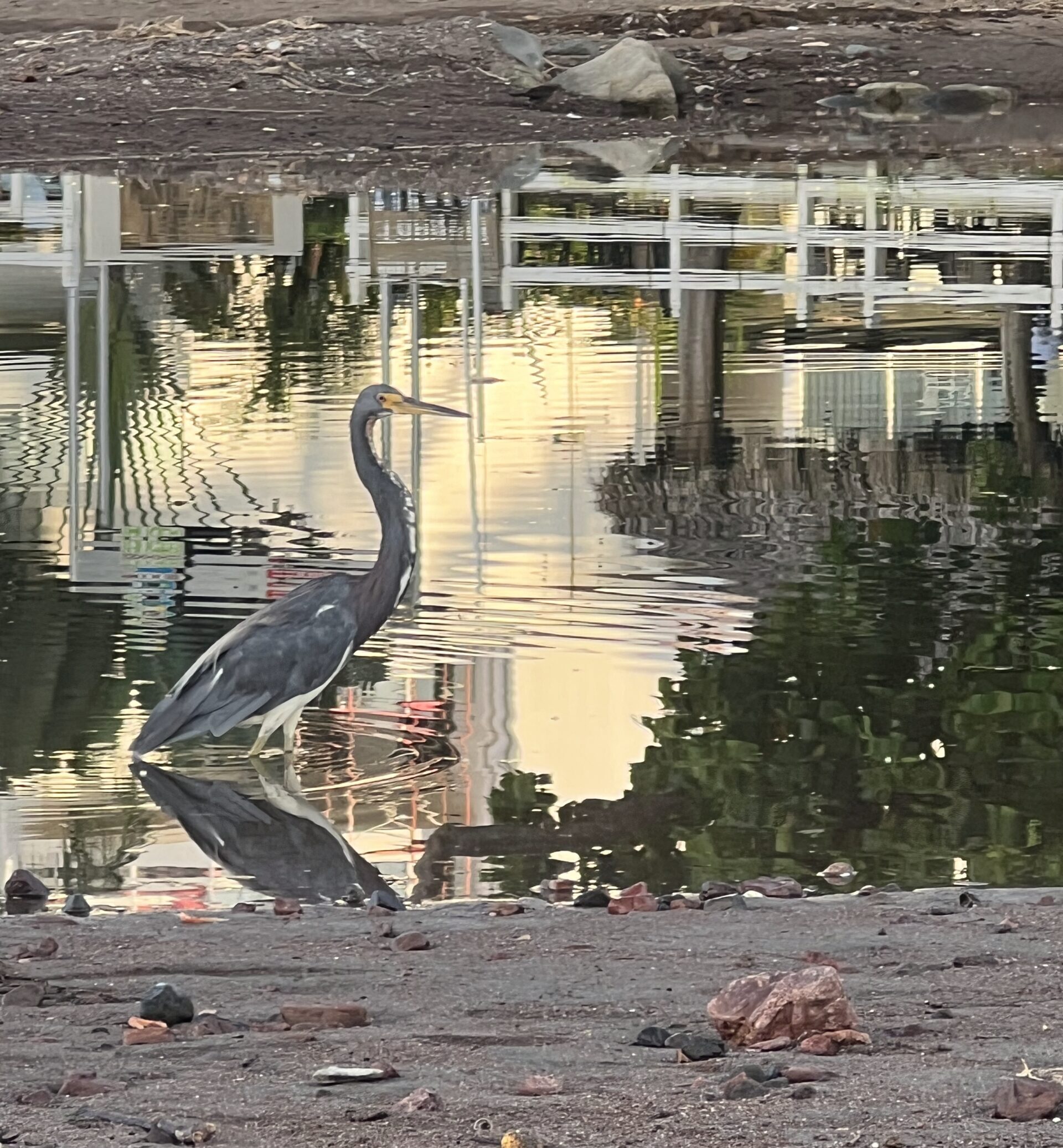
Bird Photography in Costa Rica: Best Locations, Species, and Tips
Bird photography in Costa Rica is one of the most rewarding…
Where to See Quetzals in Costa Rica: Best Places to Spot the Resplendent Quetzal
Where to see quetzals in Costa Rica is one of the…
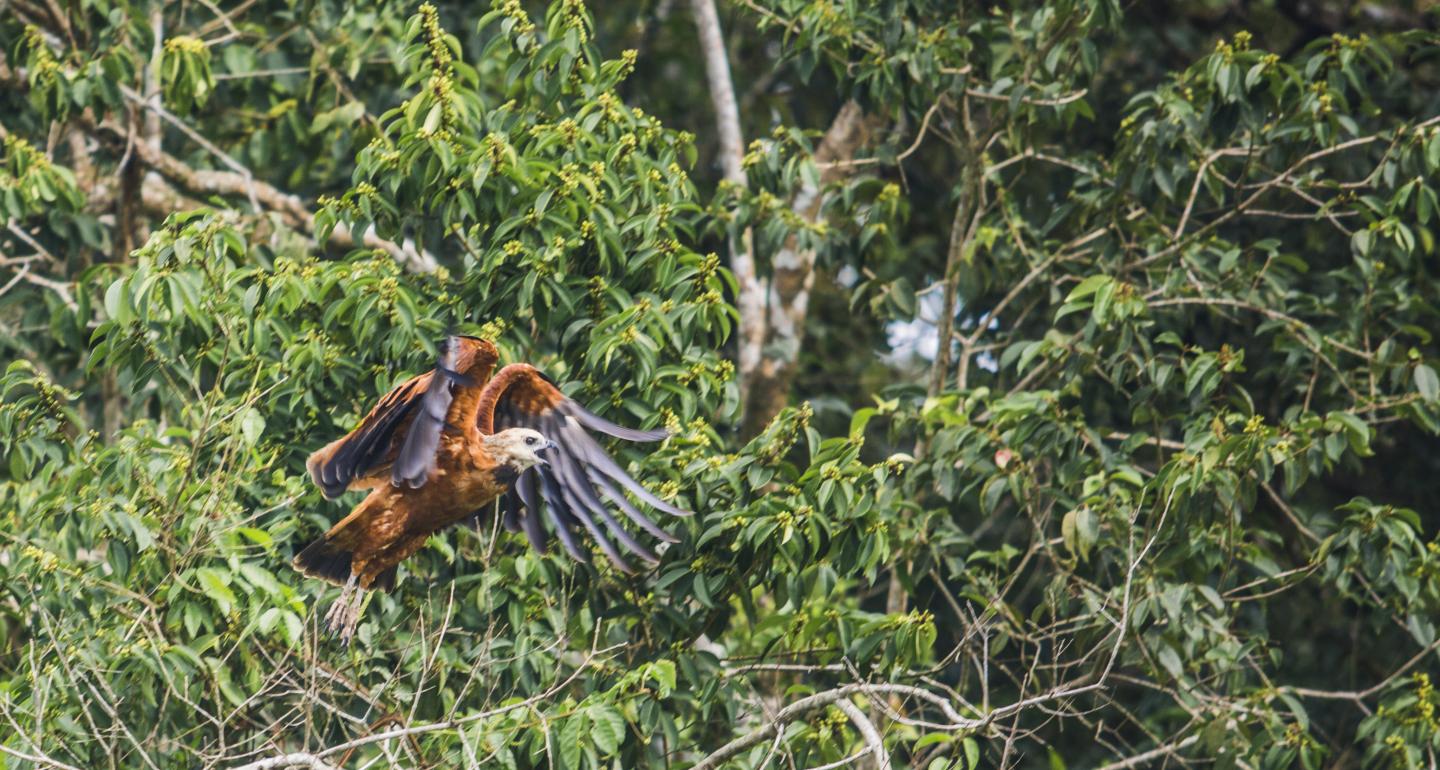
Birdwatching in Caño Negro Wildlife Refuge
Birdwatching in Caño Negro Wildlife Refuge offers one of the…