Santa Teresa, Costa Rica has evolved from a remote surf village into one of the country’s most sought-after beach destinations. Located on the southern tip of the Nicoya Peninsula, it combines world-class waves, boutique hotels, yoga studios, jungle-covered hills, and spectacular Pacific sunsets. Yet despite its international reputation, Santa Teresa has managed to preserve much of its laid-back character and connection to nature.
Unlike Costa Rica’s larger beach towns, Santa Teresa doesn’t revolve around a central plaza or commercial district. Instead, life unfolds along a single coastal road where surfers chase the morning tide, cafés fill with digital nomads, and evenings end with sunsets on the beach rather than crowded nightlife.
Whether you’re planning your first visit or considering a longer stay, this guide covers everything you need to know about Santa Teresa, Costa Rica, including where to stay, how to get there, what to do, and the best time to visit.
Overview of Santa Teresa and the Surrounding Area
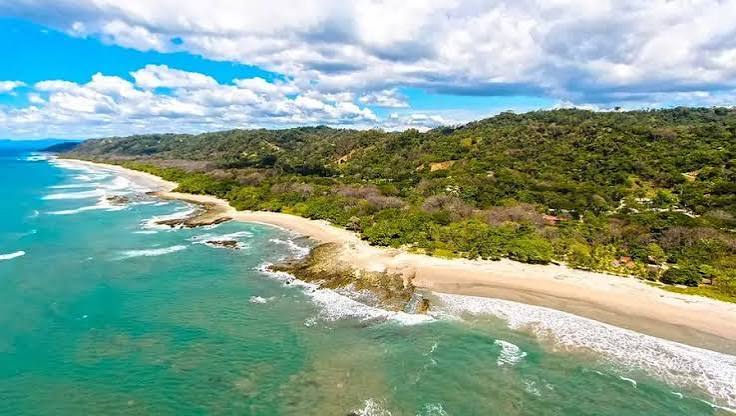
Santa Teresa sits on the southwestern coast of the Nicoya Peninsula in Puntarenas Province. Surrounded by tropical forest and facing the Pacific Ocean, it offers one of Costa Rica’s longest stretches of surf beaches, extending south toward Malpaís and north toward Playa Hermosa.
Rather than functioning as a traditional town, Santa Teresa is made up of several connected communities, each with its own personality.
To the south, Malpaís offers a quieter atmosphere, rocky shoreline, and access to fishing charters and nature tours. North of Santa Teresa, Playa Hermosa attracts experienced surfers looking for more space. A short drive inland leads to Montezuma, known for its waterfalls, beaches, and artistic atmosphere, while nearby Cabuya provides access to Cabo Blanco Absolute Nature Reserve.
Together, these communities create one of Costa Rica’s most diverse coastal regions, where surf culture blends naturally with wildlife, wellness, and outdoor adventure.
The Basics of Santa Teresa
Grocery Stores and Everyday Essentials
Although Santa Teresa remains relatively rural, visitors will find everything needed for a comfortable stay. Small supermarkets, organic food stores, bakeries, and specialty markets line the main road, making it easy to stock up on groceries and beach supplies.
Several pharmacies provide basic medications and health products, while ATMs are available throughout town. However, because selection can be limited during busy periods, travelers staying for extended periods often shop before arriving or make occasional trips to larger towns.
Neighborhoods
Santa Teresa stretches along one main road rather than around a central downtown.
North Santa Teresa is known for surf schools, yoga studios, cafés, and boutique accommodations.
Central Santa Teresa offers the largest concentration of restaurants, shops, and nightlife.
South Santa Teresa and Malpaís become progressively quieter, attracting travelers seeking privacy, luxury villas, and direct beach access.
Nearby communities such as Santiago, Manzanillo, Las Delicias, Río Negro, and San Isidro also offer vacation rentals, although reaching some properties may require a 4×4 vehicle, especially during the rainy season.
Nightlife
Santa Teresa’s nightlife reflects its surf culture rather than a party destination.
Most evenings begin with sunset drinks on the beach before moving to cocktail bars, restaurants, or occasional live music venues. During Christmas, New Year, and Easter Week, the social scene becomes more energetic, but even then, mornings remain the priority as surfers return to the waves at sunrise.
How to Get to Santa Teresa
Reaching Santa Teresa takes a bit more planning than many destinations in Costa Rica, but that’s part of what has helped preserve its unique atmosphere.
Most international travelers arrive through either Juan Santamaría International Airport (SJO) near San José or Daniel Oduber Quirós International Airport (LIR) in Liberia.
From there, visitors can reach Santa Teresa by:
- Rental car
- Private shuttle
- Shared shuttle
- Public bus
- Domestic flight combined with ground transportation
Where to Stay in Santa Teresa
Accommodation in Santa Teresa focuses on boutique hospitality, wellness, and nature rather than large resort complexes.
Boutique Hotels
Stylish boutique hotels are the area’s signature accommodation. Many combine tropical architecture, swimming pools, and direct beach access while maintaining a relaxed atmosphere.
Luxury Villas
Private villas tucked into the hills provide panoramic ocean views and exceptional privacy, making them popular with families and groups.
Hostels
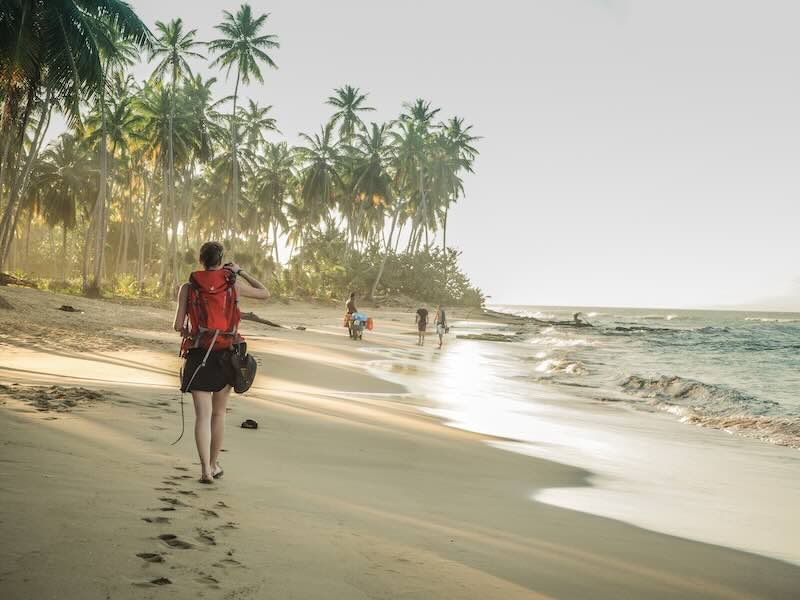
Santa Teresa is one of Costa Rica’s best destinations for backpackers. Surf hostels create an easy social environment while remaining within walking distance of the beach.
Vacation Rentals
Airbnbs and vacation homes are ideal for longer stays. Many include kitchens, private pools, and work-friendly spaces for digital nomads.
Where to Eat
Santa Teresa has developed one of Costa Rica’s most impressive food scenes, blending international cuisine with fresh local ingredients.
Morning begins with excellent coffee, smoothie bowls, tropical fruit, and fresh pastries served in cafés throughout town.
Lunch ranges from traditional Costa Rican sodas to healthy cafés offering vegetarian, vegan, and gluten-free options.
Dinner features everything from fresh seafood and sushi to Italian, Mediterranean, Argentine, and contemporary fusion cuisine. During the high season, reservations are recommended for the area’s most popular restaurants.
Best Things to Do in Santa Teresa
Surfing is the heart of Santa Teresa, but it’s far from the only reason to visit.
The town offers a wide variety of outdoor activities throughout the year.
Popular experiences include:
- Surf lessons and advanced surfing
- Yoga classes and wellness retreats
- Horseback riding along the beach
- ATV tours through the jungle
- Sport fishing
- Stand-up paddleboarding
- Beach hopping
- Sunset walks
- Wildlife watching
Nearby excursions include Cabo Blanco Absolute Nature Reserve, Montezuma Waterfall, and the fishing village of Malpaís.
Nearby Destinations Worth Exploring
One of Santa Teresa’s biggest advantages is its location.
Within a short drive, visitors can experience several completely different destinations.
Malpaís offers a quieter atmosphere, excellent fishing, and rocky coastal scenery.
Montezuma is famous for its waterfalls, tide pools, and artistic community.
Cabuya provides access to Cabo Blanco Absolute Nature Reserve, Costa Rica’s first protected natural area.
These destinations make excellent half-day or full-day excursions during longer stays.
Best Time to Visit Santa Teresa
Santa Teresa is a year-round destination, but each season offers different advantages.
Dry Season (December to April)
Expect sunny days, excellent beach weather, and consistent surf conditions. This is also the busiest and most expensive period, so accommodations should be reserved well in advance.
Green Season (May to November)
The landscape becomes lush and vibrant, while visitor numbers decrease. Mornings are often sunny, followed by afternoon rain showers. Many surfers actually prefer this season because larger swells become more frequent.
Pace and Lifestyle
Life in Santa Teresa revolves around tides rather than schedules.
People wake early to surf, enjoy slow breakfasts, work remotely during the afternoon, and gather on the beach before sunset. The atmosphere encourages a slower pace, making it especially appealing for long-term travelers, digital nomads, couples, and families seeking an active outdoor lifestyle.
Although tourism has grown considerably, Santa Teresa still feels more like a beach community than a resort destination.
Things to Be Cautious Of
Santa Teresa rewards flexibility, but visitors should keep a few practical considerations in mind.
Roads can become rough during the rainy season, particularly outside the main road. Dust is common during the dry season, while limited street lighting makes driving at night more challenging.
As in any popular tourist destination, avoid leaving valuables unattended on the beach or inside parked vehicles.
Medical services are available locally for minor issues, although more specialized care may require traveling to larger towns.
Is Santa Teresa Worth Visiting?
For travelers seeking world-class surf, boutique accommodations, wellness experiences, and an authentic connection to Costa Rica’s Pacific coast, Santa Teresa, Costa Rica is absolutely worth visiting.
It isn’t the easiest destination to reach, nor is it the most developed. Instead, it offers something many beach towns have lost: a genuine sense of place.
If your ideal vacation includes sunrise surf sessions, jungle-covered hills, exceptional restaurants, yoga classes, and unforgettable sunsets, Santa Teresa delivers one of the most complete beach experiences in Costa Rica.
Related Posts
Nosara, Costa Rica: Surf, Wellness, and Slow Living on Costa Rica’s Nicoya Peninsula
Nosara, Costa Rica, is one of those destinations that quietly…