Choosing between Río Celeste vs La Fortuna Waterfall comes down to what you want from your day in Costa Rica. Río Celeste offers an unusual turquoise river, rainforest hiking, and volcanic features. La Fortuna Waterfall delivers a taller cascade, a shorter outing from La Fortuna, and the opportunity to swim in designated areas.
If you enjoy hiking and have a full day available, Río Celeste may be the better choice. However, if you prefer a convenient waterfall visit with swimming, La Fortuna Waterfall is usually more practical.
Both attractions are worth visiting, but they offer different experiences. This comparison will help you decide which fits your itinerary, budget, and physical abilities.
Río Celeste vs La Fortuna Waterfall: Quick Comparison
| Feature | Río Celeste Waterfall | La Fortuna Waterfall |
|---|---|---|
| Location | Tenorio Volcano National Park, near Bijagua | Near La Fortuna, Arenal region |
| Waterfall height | Approximately 20 meters (66 feet), per SINAC’s current Spanish-language page | Approximately 70 meters (230 feet) |
| Main attraction | Turquoise river and rainforest trail | Tall cascade and waterfall basin |
| Water color | Turquoise when conditions allow | Typically clear to natural river tones |
| Hiking | Approximately 6 km (3.7 miles) round trip for the full trail | Shorter route with approximately 530 steps each way |
| Typical visit | 3–4 hours | 1.5–2.5 hours |
| Swimming | Prohibited inside the park | Allowed in designated areas when conditions permit |
| Adult foreign admission | US$13.56, tax included | US$20, as listed by the operator |
| Published hours | Entry 8 a.m.–2 p.m.; exit by 4 p.m. | 7 a.m.–5 p.m. |
| Drive from La Fortuna | Approximately 1.5–2 hours | Approximately 10–15 minutes |
| Best for | Hikers, nature enthusiasts, unusual scenery | Swimmers, shorter visits, waterfall photography |
Prices and operating arrangements may change. Check the official attraction websites before visiting.
Where Are Río Celeste and La Fortuna Waterfall?
Although both waterfalls are in northern Costa Rica, they are not especially close to each other.
Where Is Río Celeste?
Río Celeste is inside Tenorio Volcano National Park, near Bijagua. The park lies within the Guanacaste volcanic mountain range, between the northern plains and Guanacaste.
From La Fortuna, reaching the park generally requires around 1.5–2 hours by car.
The official entrance is outside Bijagua, so visitors should navigate directly to Tenorio Volcano National Park rather than stopping in town.
Where Is La Fortuna Waterfall?
La Fortuna Waterfall is a short drive from La Fortuna town, near the Arenal Volcano region.
The attraction is managed by the Asociación de Desarrollo Integral de La Fortuna, known as ADIFORT.
Its convenient location makes it easy to combine with hot springs, restaurants, or other activities around La Fortuna.
Which Is Easier to Reach?
La Fortuna Waterfall is clearly more convenient for visitors staying in La Fortuna.
Río Celeste requires a longer drive, making it a full-day excursion for most travelers based in the Arenal area.
However, visitors staying near Bijagua or traveling from parts of northern Guanacaste may find Río Celeste more convenient.
Which Waterfall Is More Beautiful?
Beauty is subjective, and these waterfalls have different visual strengths.
Río Celeste: Turquoise Water and Rainforest
Río Celeste is famous for its unusual blue color, which contrasts with the surrounding rainforest.
The color results from the way light interacts with suspended particles in the river. It is not caused by artificial coloring.
At Los Teñideros, two streams meet and create conditions that make the blue appearance possible.
However, heavy rainfall can increase sediment and temporarily change the water’s appearance. Therefore, visitors should not assume that Río Celeste will look intensely turquoise every day.
La Fortuna Waterfall: A Taller Cascade
La Fortuna Waterfall drops approximately 70 meters (230 feet) into a rocky basin surrounded by forest.
Unlike Río Celeste, its main appeal is the waterfall’s height and powerful vertical drop rather than unusual water color.
The descent brings visitors closer to the waterfall, creating opportunities to observe the cascade from different angles.
Which Is Better for Photography?
Choose Río Celeste if turquoise water and rainforest scenery are your priorities.
Choose La Fortuna Waterfall if you prefer photographing a tall cascade framed by vegetation.
However, rainfall, lighting, and visitor numbers can affect photography at both attractions.
Río Celeste vs La Fortuna Waterfall: Hiking Difficulty
Both attractions require physical effort, but the challenges are different.
Hiking at Río Celeste
The full Misterios del Tenorio trail covers approximately 6 kilometers (3.7 miles) round trip.
According to SINAC, visitors should allow around three hours for the main route.
The trail passes through rainforest and includes uneven ground, roots, muddy sections, and elevation changes.
A steep staircase leads to the Río Celeste Waterfall viewpoint. Visitors who continue along the trail can also see Laguna Azul, Borbollones, and Los Teñideros.
Because the terrain can become slippery, sturdy walking shoes are important.
Hiking at La Fortuna Waterfall
La Fortuna Waterfall requires a shorter walk, but its staircase presents a substantial challenge.
The operator describes approximately 530 steps down to the waterfall.
Visitors must climb those steps again to return to the entrance.
The staircase includes railings and resting areas, making the route more structured than a natural forest trail. Nevertheless, the ascent can be tiring, especially in humid weather.
Which Waterfall Is Easier?
La Fortuna Waterfall usually requires less walking overall. However, the steep return staircase can be demanding for visitors with knee problems or limited stamina.
Río Celeste requires a longer hike over more varied terrain.
Therefore, the easier choice depends on whether you find stairs or uneven trails more challenging.
Can You Swim at Río Celeste or La Fortuna Waterfall?
Swimming is one of the clearest differences between these attractions.
Swimming at Río Celeste
Swimming and entering the river are prohibited inside Tenorio Volcano National Park.
This includes the waterfall pool, Laguna Azul, and the other river attractions along the official trail.
The park protects a sensitive natural environment, and visitors must remain within authorized areas.
Some privately managed locations outside the national park advertise river swimming access. However, these are separate from the protected park experience.
Swimming at La Fortuna Waterfall
La Fortuna Waterfall allows swimming in designated freshwater areas when conditions permit.
The operator confirms that visitors can bathe in a natural river area near the waterfall.
However, swimming directly beneath the powerful cascade should not be assumed safe or permitted.
Always follow posted signs and staff instructions.
Which Is Better for Swimming?
La Fortuna Waterfall is the better choice if swimming is an important part of your visit.
Río Celeste, by contrast, is primarily a hiking and sightseeing destination.
Which Waterfall Is Better for Families?
Both attractions can appeal to families, although children’s ages and abilities matter.
Families with Young Children
La Fortuna Waterfall has the advantage of a short drive from town and visitor facilities near the entrance.
However, the staircase can be tiring for young children, particularly on the way back.
Río Celeste requires a longer outing, and muddy trails can make the hike more challenging.
For families with very young children, neither waterfall’s main route should be assumed easy.
Families with Teenagers
Teenagers who enjoy hiking and nature may prefer Río Celeste because the trail includes several different attractions.
Meanwhile, those who want to swim may enjoy La Fortuna Waterfall more.
Can You Bring a Stroller?
Neither main waterfall descent is suitable for ordinary stroller use.
La Fortuna Waterfall does provide an accessible upper viewpoint, allowing some visitors to see the cascade without descending the staircase.
Before visiting Río Celeste with mobility equipment, contact the park to confirm which facilities are accessible.
Which Is Better for Older Travelers or Visitors with Limited Mobility?
Age alone does not determine whether someone can complete either route.
However, visitors with mobility limitations should consider the terrain carefully.
At Río Celeste, the natural trail may be muddy, uneven, and difficult to navigate. The waterfall staircase also requires substantial physical effort.
La Fortuna Waterfall has a constructed staircase with railings and resting points, but climbing back up can still be strenuous.
Importantly, La Fortuna Waterfall offers an upper viewpoint that the operator describes as accessible to visitors who cannot descend the stairs.
Therefore, La Fortuna may be the more practical option for travelers who want a waterfall view without completing the full descent.
Neither attraction’s main waterfall route should be described as wheelchair-accessible without further confirmation.
Río Celeste vs La Fortuna Waterfall: Admission Prices
Admission costs differ because the attractions have different management systems.
Río Celeste Entrance Fee
Tenorio Volcano National Park is managed by SINAC.
Its published admission prices include:
- Nonresident adults: US$13.56.
- Nonresident children: US$5.65.
- Costa Rican and resident adults: ₡904.
- Costa Rican and resident children: ₡565.
These published prices include tax.
Visitors must purchase tickets through the official SINAC online reservation system.
Private parking outside the entrance may involve an additional charge.
La Fortuna Waterfall Entrance Fee
ADIFORT’s published FAQ lists:
- Foreign visitors: US$20.
- Costa Rican visitors: US$10.
- Children under eight: free.
The operator also advertises free parking and visitor facilities, including bathrooms, showers, changing rooms, and lockers available for rent.
Confirm the current admission price and children’s eligibility before visiting.
Which Offers Better Value?
Río Celeste has the lower published foreign adult admission fee. However, travelers staying in La Fortuna must also account for the longer drive.
La Fortuna Waterfall costs more for admission but requires less transportation from town.
Río Celeste offers a longer rainforest hike and several geological attractions. La Fortuna provides a shorter waterfall experience with authorized swimming opportunities.
The better value depends on which experience you prefer.
Opening Hours and Best Time to Visit
Río Celeste Opening Hours
SINAC lists the park as open daily, with admission from 8:00 a.m. until 2:00 p.m.
Visitors must leave by 4:00 p.m.
Because the full hike takes several hours, arriving in the morning is advisable.
La Fortuna Waterfall Opening Hours
ADIFORT publishes daily opening hours from 7:00 a.m. to 5:00 p.m.
The operator recommends entering no later than 4:00 p.m. to enjoy the attraction.
However, an earlier visit provides more time for the staircase, photography, and swimming.
Which Is Better During Rainy Weather?
Rain affects both attractions differently.
At Río Celeste, heavy rainfall can increase sediment and reduce the river’s turquoise appearance. Mud can also make the hiking trail more difficult.
At La Fortuna Waterfall, rainfall can increase the waterfall’s flow. However, stronger currents may affect swimming conditions.
Neither attraction guarantees clear weather, and conditions can change during the day.
Which Offers the Better Nature Experience?
Río Celeste provides a longer immersion in rainforest scenery.
Its trail passes several geological features, including Laguna Azul, Borbollones, and Los Teñideros.
Visitors may encounter birds, insects, and other wildlife, although sightings are never guaranteed.
La Fortuna Waterfall is also surrounded by tropical vegetation, but the visit focuses more directly on the waterfall and river basin.
For travelers who enjoy walking through the forest, Río Celeste generally offers the more extensive nature experience.
For visitors who prefer a concentrated waterfall outing, La Fortuna may be more satisfying.
How Much Time Do You Need for Each Waterfall?
Río Celeste
Allow approximately three to four hours for the national park visit.
From La Fortuna, add roughly three to four hours of round-trip driving under normal conditions.
Including lunch and stops, Río Celeste can easily become a full-day excursion.
La Fortuna Waterfall
Many visitors spend approximately 1.5–2.5 hours at the attraction.
The actual time depends on their pace, photography, and whether they swim.
Because the waterfall is close to La Fortuna, it fits more easily into a half-day schedule.
Which Is Better with Limited Time?
If you have only a few hours available, La Fortuna Waterfall is generally the better choice.
If you have a full day and enjoy hiking, Río Celeste becomes more appealing.
Can You Visit Both Waterfalls in One Day?
Visiting both is theoretically possible with an early start and favorable conditions.
However, it is not the most comfortable itinerary.
Río Celeste involves a long drive from La Fortuna and a substantial rainforest hike. La Fortuna Waterfall then adds another demanding staircase.
Admission schedules and weather may also limit flexibility.
Therefore, visiting the waterfalls on separate days is preferable.
A more relaxed itinerary could include Río Celeste on one day and La Fortuna Waterfall alongside hot springs or other local activities on another.
Río Celeste vs La Fortuna Waterfall from Guanacaste
For travelers staying in northern Guanacaste, Río Celeste may be the more practical choice.
Visitors from Liberia, Papagayo Peninsula, Playa Hermosa, and Playas del Coco can reach the Bijagua area without continuing all the way to La Fortuna.
However, travelers staying in Tamarindo or Playa Flamingo should still expect a substantial drive.
La Fortuna Waterfall is more convenient when it forms part of a broader visit to the Arenal region.
Which Waterfall Is Better for Couples?
Couples who enjoy hiking and photography may prefer Río Celeste.
The longer trail offers time to explore several attractions rather than focusing on one waterfall.
La Fortuna Waterfall, meanwhile, suits couples who want a shorter nature outing with the possibility of swimming.
Its location also makes it easy to combine the visit with a restaurant, hot springs, or another activity in La Fortuna.
Neither is inherently more romantic. The better choice depends on how you prefer to spend your time together.
Which Waterfall Is Better for Adventure Travelers?
Río Celeste is better suited to visitors seeking a longer hike with changing terrain.
The experience combines rainforest walking, waterfall views, and volcanic features.
La Fortuna Waterfall offers a different physical challenge: descending and climbing a steep staircase, followed by optional swimming in authorized areas.
However, neither attraction is an extreme adventure activity.
Travelers seeking more demanding adventures can combine their waterfall visit with separate activities around La Fortuna.
Río Celeste vs La Fortuna Waterfall: Pros and Cons
Río Celeste Advantages
- Distinctive turquoise water when conditions allow.
- Longer rainforest hiking experience.
- Several geological attractions along the trail.
- Opportunities to explore the Bijagua region.
- Convenient for some northern Guanacaste itineraries.
Río Celeste Limitations
- Longer drive from La Fortuna.
- Muddy or uneven trail sections.
- Swimming prohibited inside the park.
- Water color affected by rainfall.
- Greater overall time commitment.
La Fortuna Waterfall Advantages
- Short drive from La Fortuna.
- Tall, dramatic cascade.
- Authorized swimming areas.
- Constructed staircase with resting points.
- Upper viewpoint for visitors who cannot descend.
La Fortuna Waterfall Limitations
- Steep return climb.
- Shorter rainforest walking experience.
- Swimming depends on current conditions.
- Can become busy during popular visiting periods.
- Higher published foreign adult admission fee.
Which Waterfall Should You Choose?
| Traveler type | Better choice | Why |
|---|---|---|
| Visitors with half a day | La Fortuna Waterfall | Shorter travel and visit time |
| Rainforest hikers | Río Celeste | Longer trail with multiple attractions |
| Visitors who want to swim | La Fortuna Waterfall | Designated swimming areas |
| Photographers seeking turquoise water | Río Celeste | Unusual river color |
| Waterfall photography enthusiasts | La Fortuna Waterfall | Taller cascade |
| Families with young children | Depends | Compare stairs, walking distance, and travel time |
| Families with teenagers | Either | Hiking versus swimming preferences |
| Visitors with limited mobility | La Fortuna upper viewpoint | Viewing option without the full staircase |
| Couples | Either | Longer hike versus shorter outing |
| Visitors staying in La Fortuna | La Fortuna Waterfall | Convenient location |
| Visitors staying near Bijagua | Río Celeste | Close to the national park |
| Visitors based in Liberia | Often Río Celeste | More convenient regional access |
| Travelers without a rental car | Often La Fortuna Waterfall | Easier to arrange local transportation from La Fortuna |
| Visitors with a full day | Río Celeste | Time for the full trail and drive |
| Travelers prioritizing admission cost | Río Celeste | Lower published foreign adult entrance fee |
Is Río Celeste Worth the Extra Drive?
Río Celeste offers a landscape that differs from the typical waterfall experience. The blue river, rainforest trail, and volcanic features make the journey worthwhile for visitors who enjoy nature and hiking.
However, the additional driving time may not make sense for everyone.
If your schedule is short, you dislike long hikes, or swimming is your priority, La Fortuna Waterfall may provide a more satisfying experience.
Weather also matters. When Río Celeste is cloudy or brown after heavy rainfall, visitors may not see the turquoise water they expected.
Common Mistakes When Comparing These Waterfalls
One common mistake is choosing Río Celeste specifically for swimming. Swimming is prohibited inside Tenorio Volcano National Park.
Another is assuming that La Fortuna Waterfall is effortless because it is close to town. The staircase can be physically demanding.
Travelers also underestimate how much time Río Celeste requires, especially when driving from La Fortuna.
Additionally, some visitors expect the river to appear bright turquoise regardless of weather. Heavy rain can change its appearance.
Finally, avoid choosing solely by admission price. Transportation, physical effort, and the type of experience matter just as much.
Frequently Asked Questions: Río Celeste vs La Fortuna Waterfall
Which is better, Río Celeste or La Fortuna Waterfall?
Río Celeste is better for rainforest hiking and turquoise scenery. La Fortuna Waterfall is better for convenience and authorized swimming.
Is Río Celeste more beautiful?
That depends on personal preference. Río Celeste has unusual water color, while La Fortuna features a taller cascade.
Which is easier to reach from La Fortuna?
La Fortuna Waterfall, which is approximately 10–15 minutes from town by car.
Which waterfall is easier to hike?
La Fortuna requires less walking but has a steep staircase. Río Celeste has a longer, potentially muddy trail.
How many stairs are at La Fortuna Waterfall?
The operator describes approximately 530 steps each way.
How many stairs are at Río Celeste Waterfall?
The waterfall viewpoint has a substantial staircase. Confirm the current step count locally rather than relying on inconsistent published figures.
Can you swim at Río Celeste?
No. Swimming is prohibited inside Tenorio Volcano National Park.
Can you swim at La Fortuna Waterfall?
Yes, in designated areas when conditions permit.
Which waterfall is better for families?
It depends on the children’s ages and abilities. La Fortuna offers a shorter visit, while Río Celeste provides a longer hike.
Which is better for older travelers?
Neither is universally better. La Fortuna offers an upper viewpoint for visitors unable to descend the staircase.
Which waterfall is more accessible?
La Fortuna Waterfall has an accessible upper viewpoint. The main descent still requires stairs.
Which waterfall is cheaper?
Río Celeste has a lower published foreign adult admission fee, although transportation costs may change the overall comparison.
How much time do you need at Río Celeste?
Approximately three to four hours inside the park, excluding transportation.
How much time do you need at La Fortuna Waterfall?
Approximately 1.5–2.5 hours for many visitors.
Can you visit both in one day?
Possibly, but separate days are more comfortable.
Which is better during the rainy season?
Neither is consistently better. Rain can affect Río Celeste’s color and La Fortuna’s swimming conditions.
Does Río Celeste always look blue?
No. Heavy rainfall can temporarily change the water’s appearance.
Which is better for photography?
Río Celeste is distinctive for turquoise scenery. La Fortuna is excellent for photographing a tall waterfall.
Which is better for hiking?
Río Celeste offers the longer rainforest trail.
Which is closer to Guanacaste?
Río Celeste is generally more convenient from several northern Guanacaste destinations.
Is Río Celeste worth the extra drive?
Yes, if you enjoy hiking and want to see its unusual river scenery. Otherwise, La Fortuna may be more practical.
Should you visit both?
Yes, if your itinerary allows. They provide different experiences and complement each other well.
Final Verdict: Río Celeste or La Fortuna Waterfall?
The best choice in the Río Celeste vs La Fortuna Waterfall comparison depends on your interests and available time.
Choose Río Celeste if you want turquoise river scenery, a longer rainforest hike, and geological attractions within Tenorio Volcano National Park.
Choose La Fortuna Waterfall if you want a taller cascade, easier access from La Fortuna, and the possibility of swimming in designated areas.
If you have enough time, visit both on separate days. Each reveals a different side of Costa Rica’s northern landscapes.
Related Posts
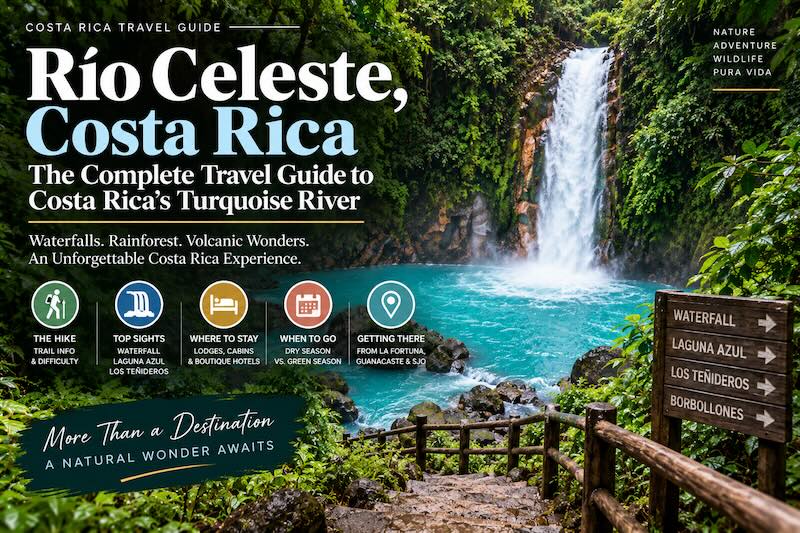
Río Celeste Costa Rica: The Complete Travel Guide
Río Celeste Costa Rica is known for its turquoise river,…
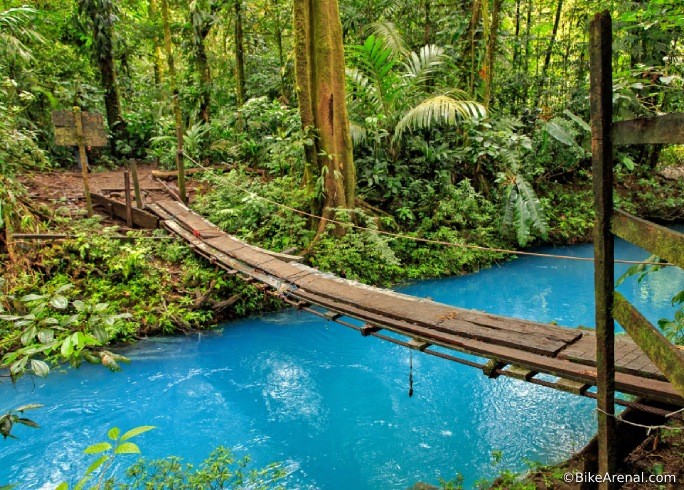
Tenorio Volcano National Park Guide: Beyond Río Celeste
Tenorio Volcano National Park is best known for the turquoise…
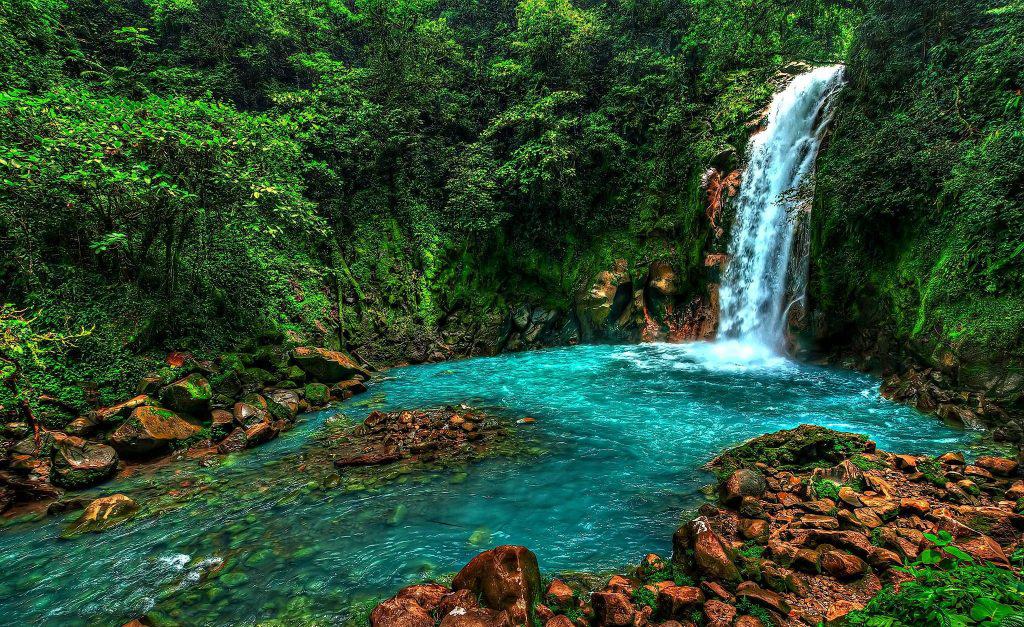
Is Río Celeste Worth Visiting? An Honest Guide
Is Río Celeste worth visiting? Yes, especially if you enjoy…